

After a week of progressive altitude acclimation in the Pamir Mountains, and a warm-up hike to the Traveller’s Pass, we were ready to tackle a 4-day trek in the Alay Mountains. If you’re wondering where those are, here’s a map to get you situated:

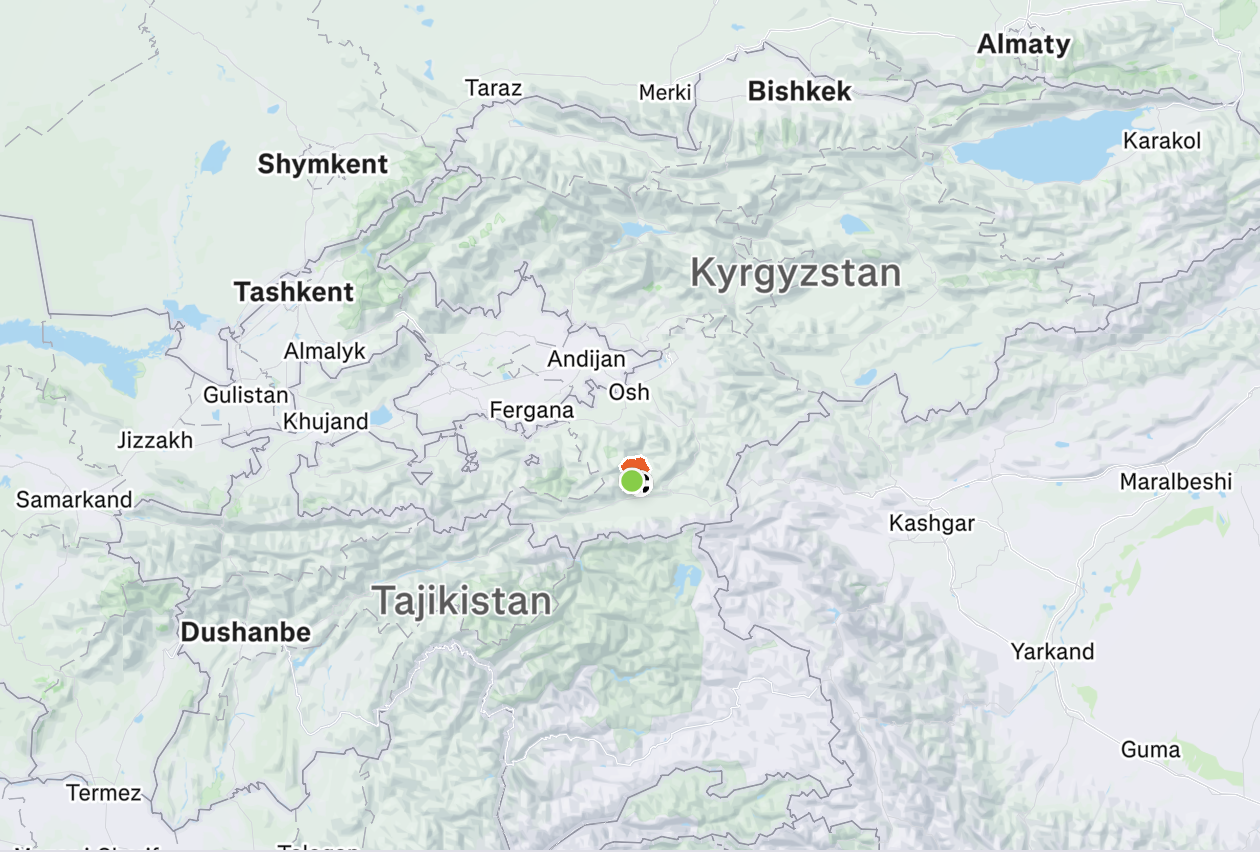
Yes, in southern Kyrgyzstan, hemmed in by seemingly endless mountain chains, with Tajikistan to the south and China to the east.
Day 1: Sary Mogul to Kyzil Shara via the Sary Mogul Pass
Breathtaking photos of the Sary Mogul Pass (4,306m) were what motivated us to plan a trip to Central Asia in the first place. Credit where credit is due: the inspiration came from one of our most adventurous employees, Yvonne, who had traveled to Kyrgyzstan a few years back.
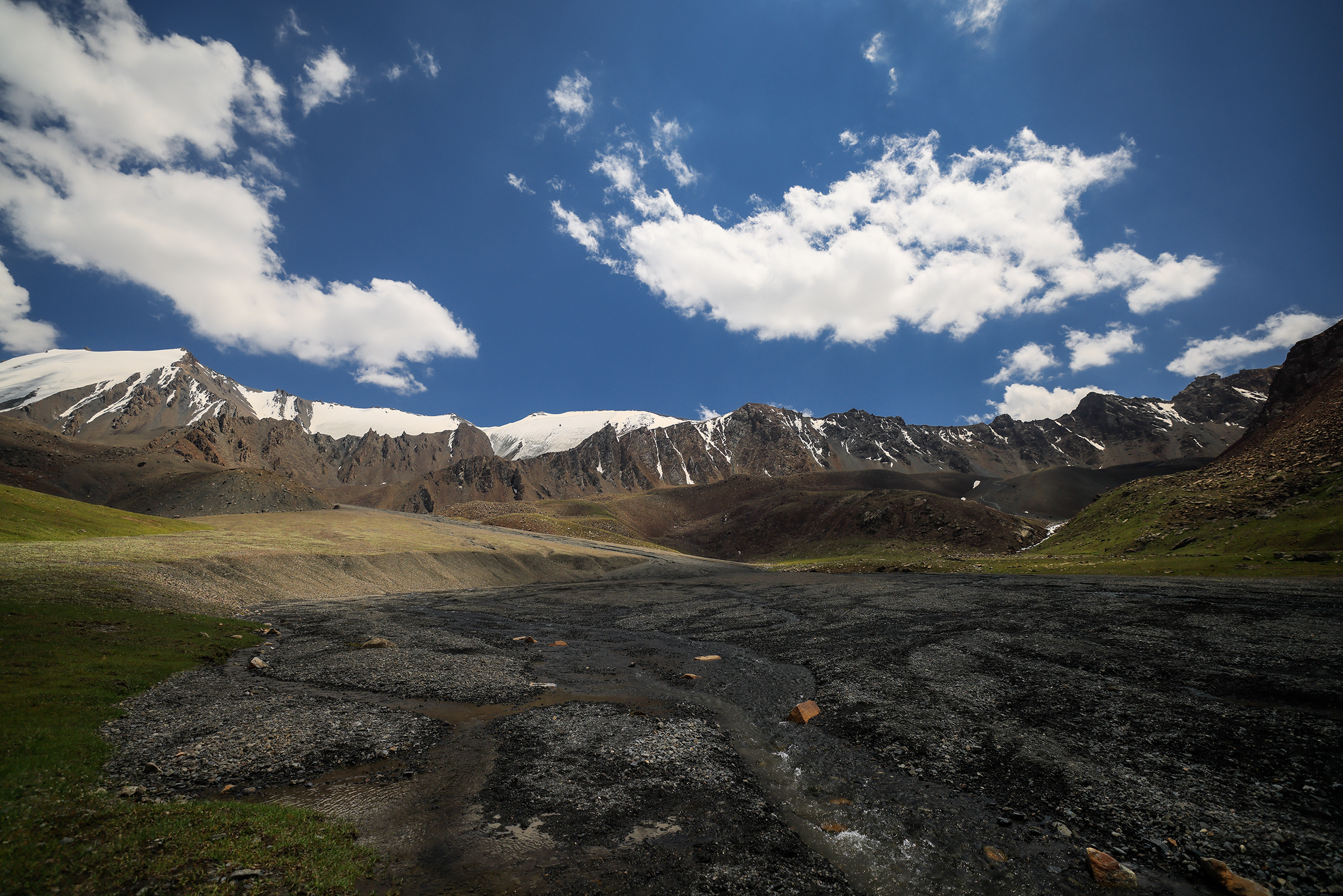
And we were not disappointed. With its steep, ankle-twisting scree ascents, turquoise alpine lakes, and dramatic coal-black terrain that looked like it had been scooped out of a volcano, the pass was unlike anything we’d seen before.
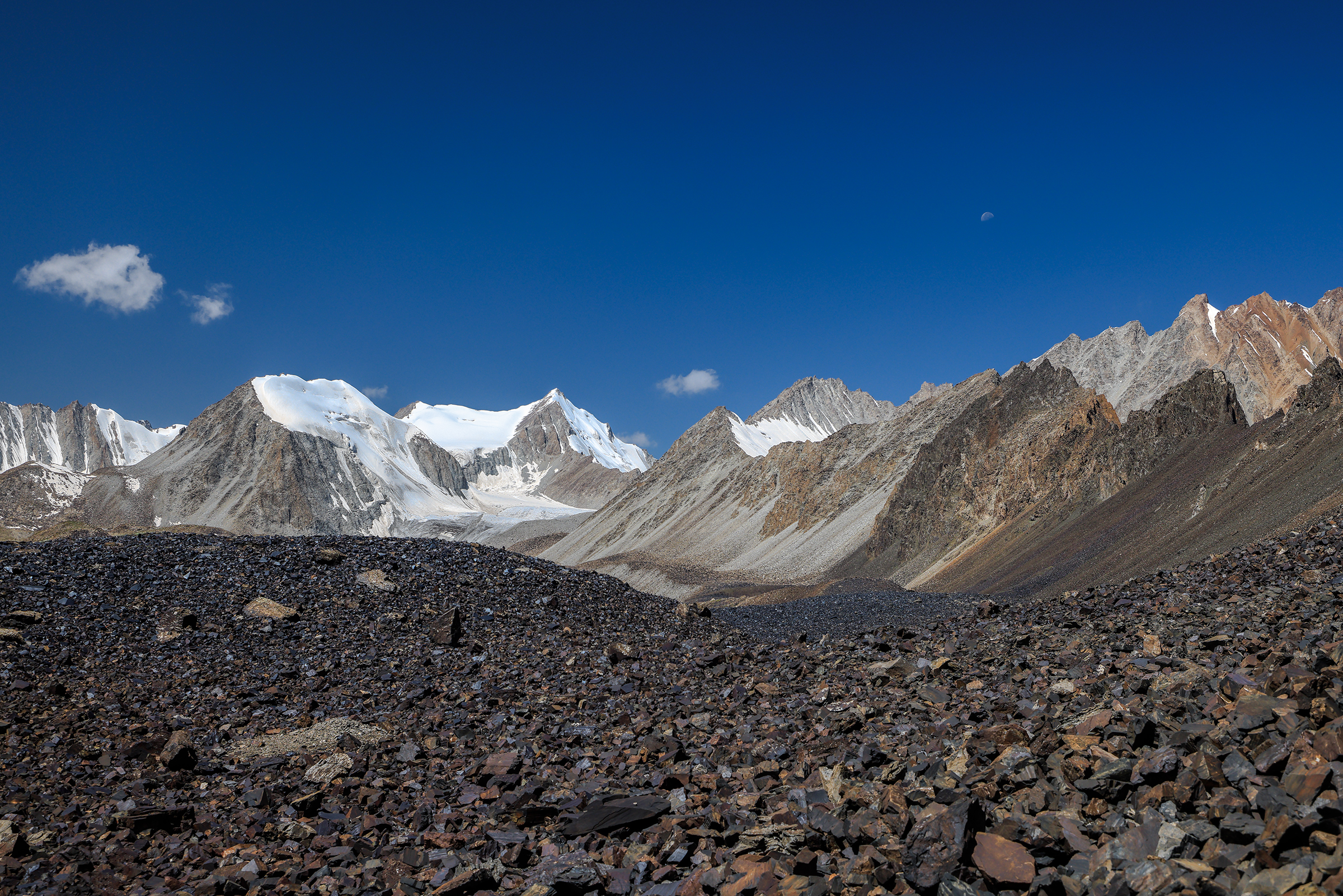
(No, we’re not on the moon — she’s right up there in the sky!)
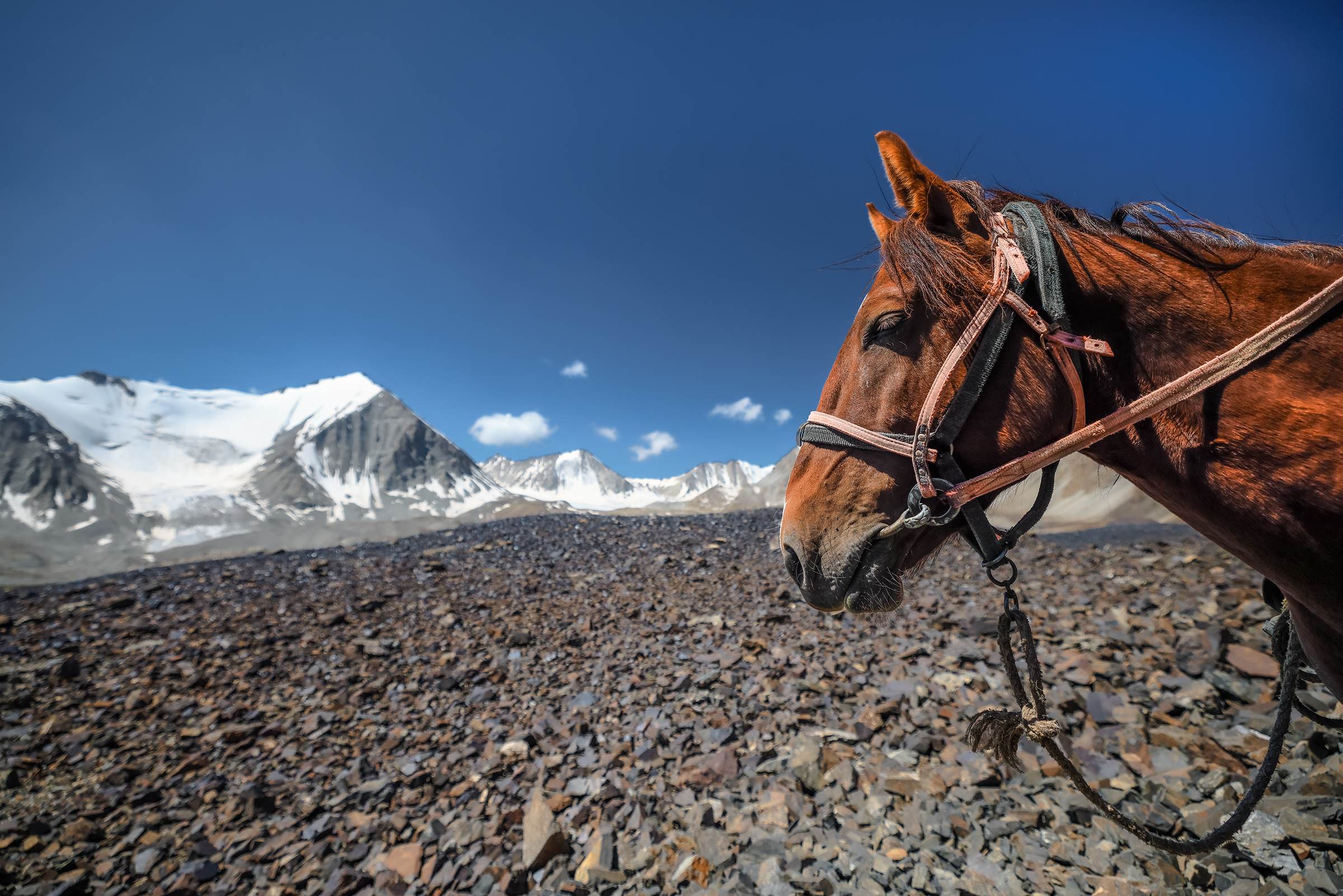

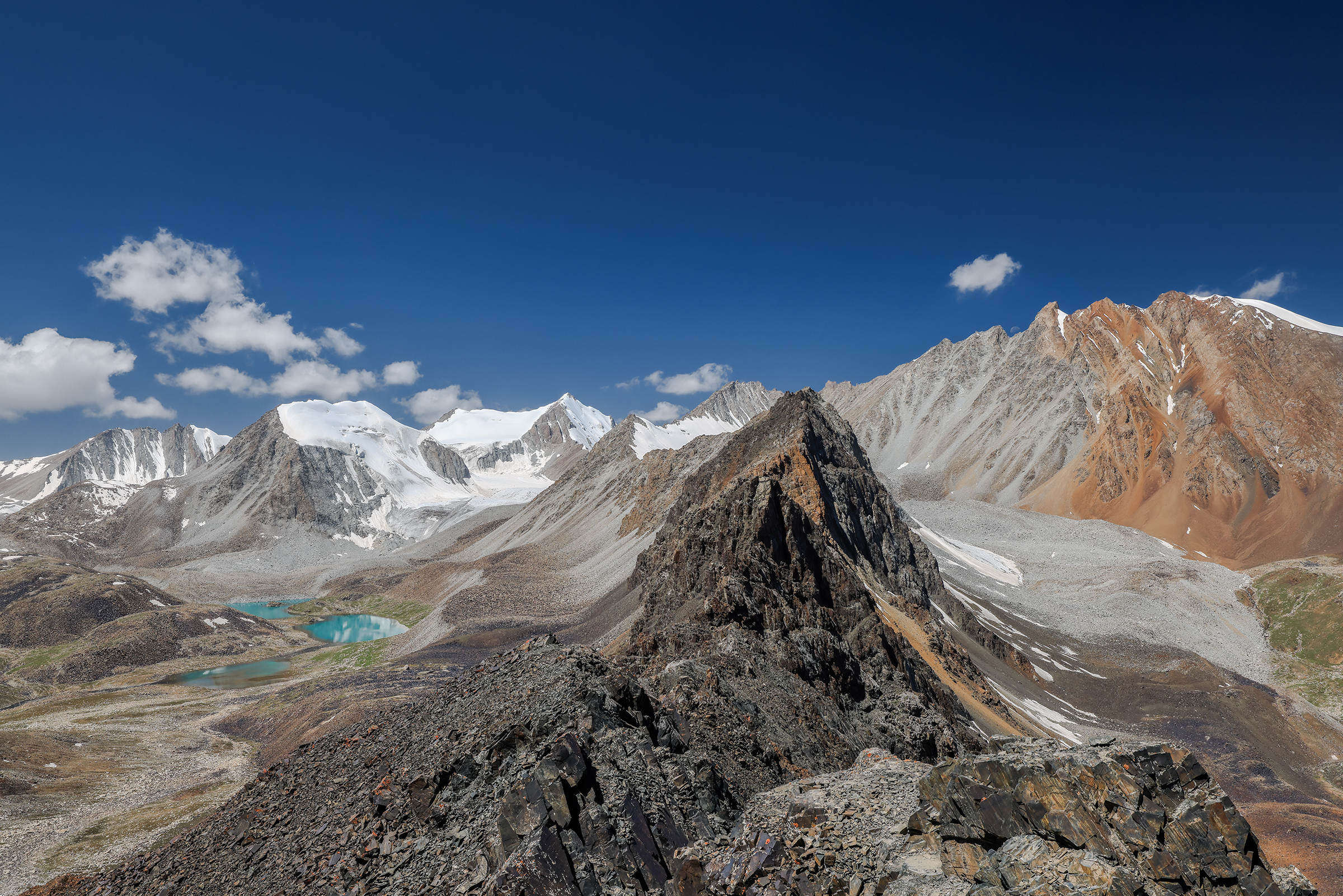
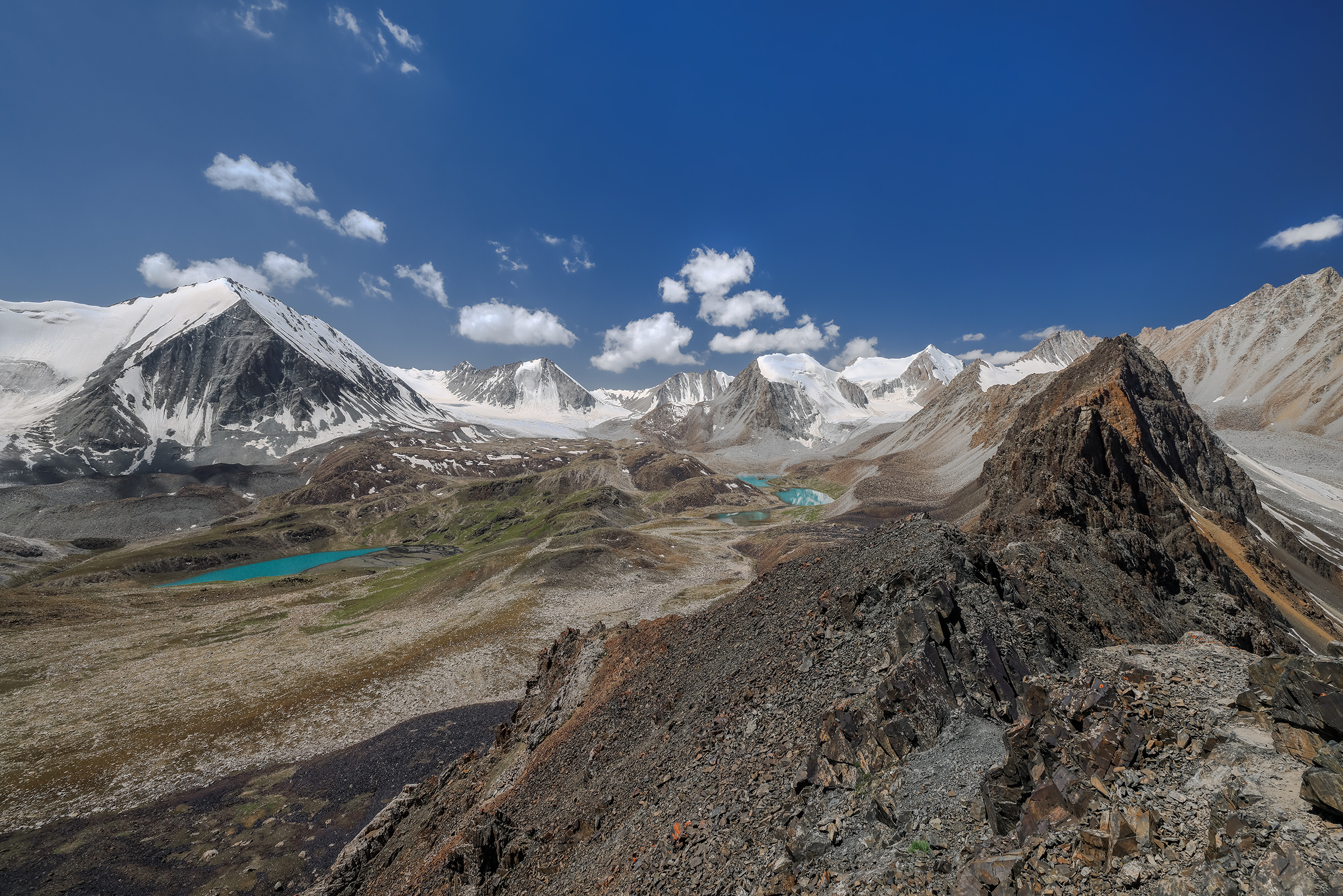
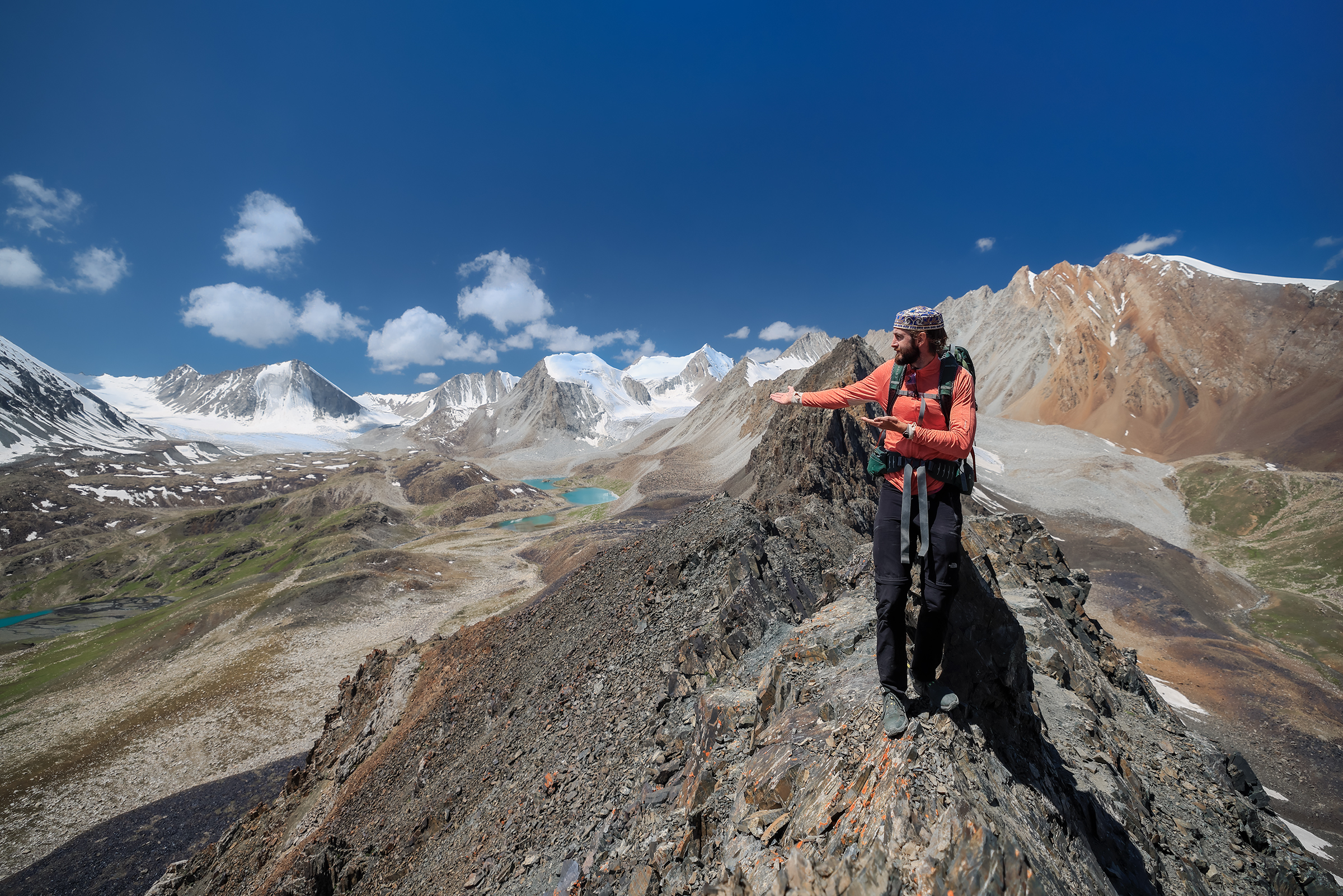
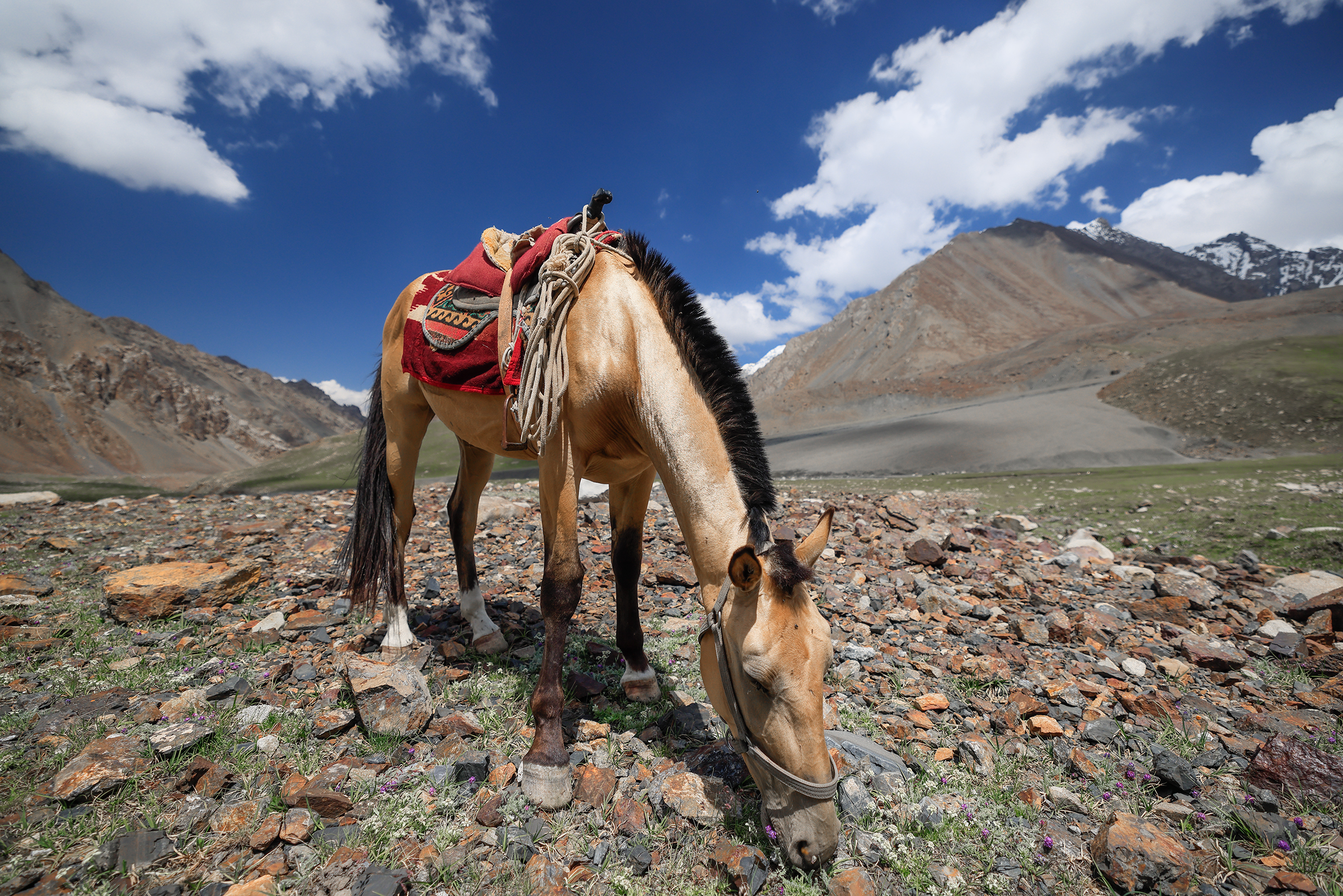
Our horses weren’t particularly thrilled about the loose rocks underfoot. Our guide helpfully mentioned that a few horses had slipped and died on this exact stretch just days before our hike — the kind of reassurance you really want when you’re standing on a crumbling mountainside.
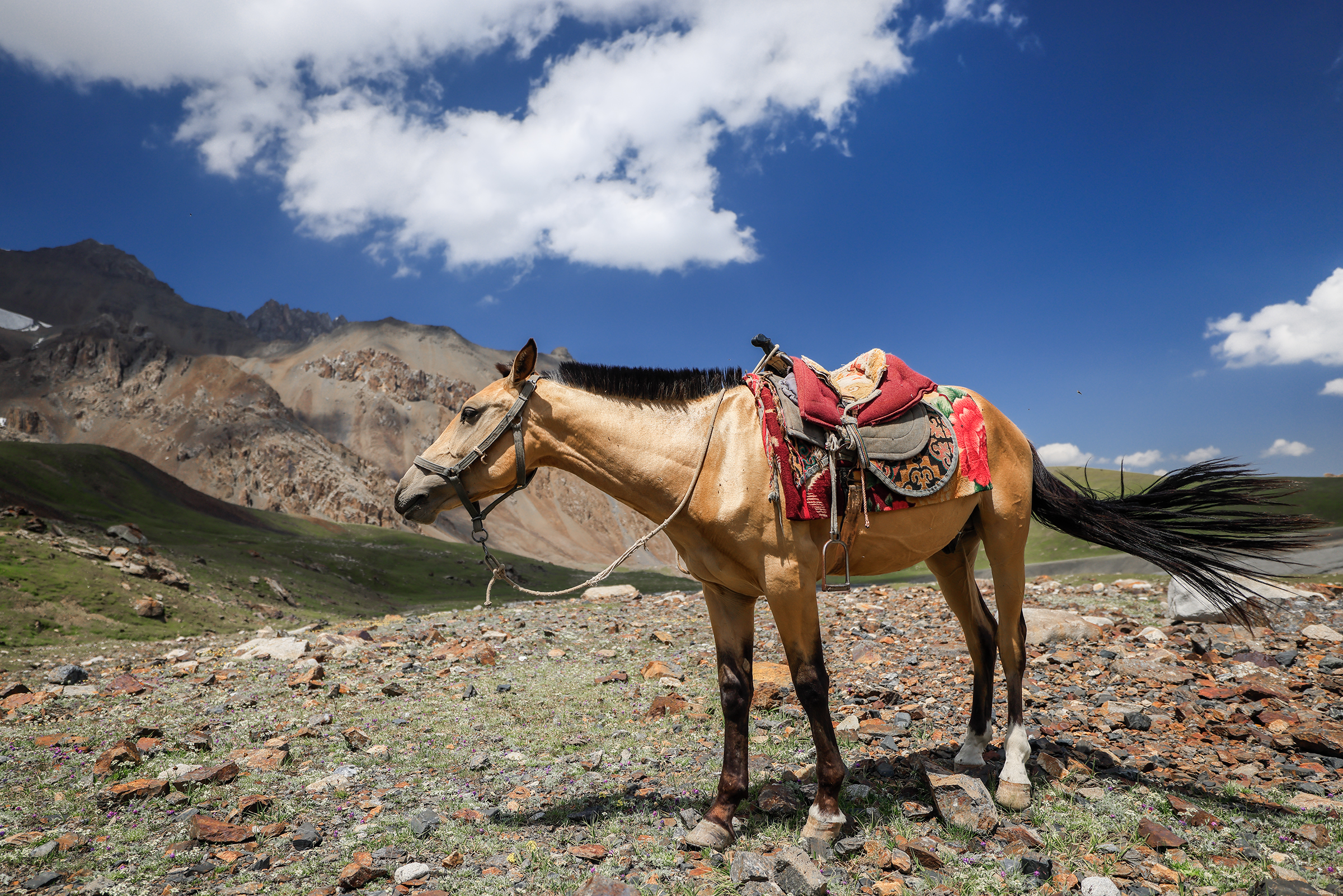
While having a horse along is always enjoyable, having them haul equipment for us over multiple days — at the risk of their safety — wasn’t something we were comfortable with. Sadly, this seems to be how treks here are always organized, so we went with it.
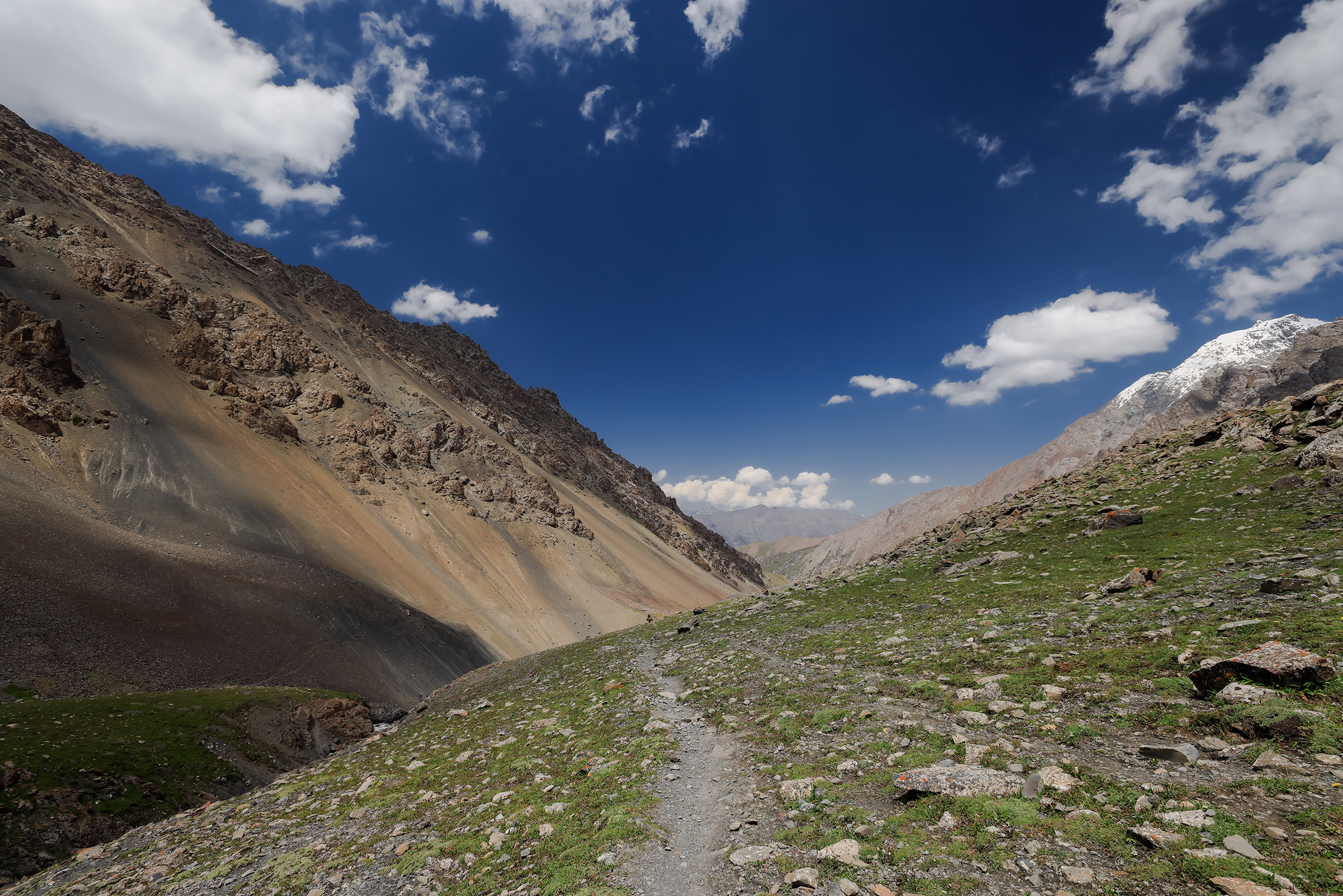
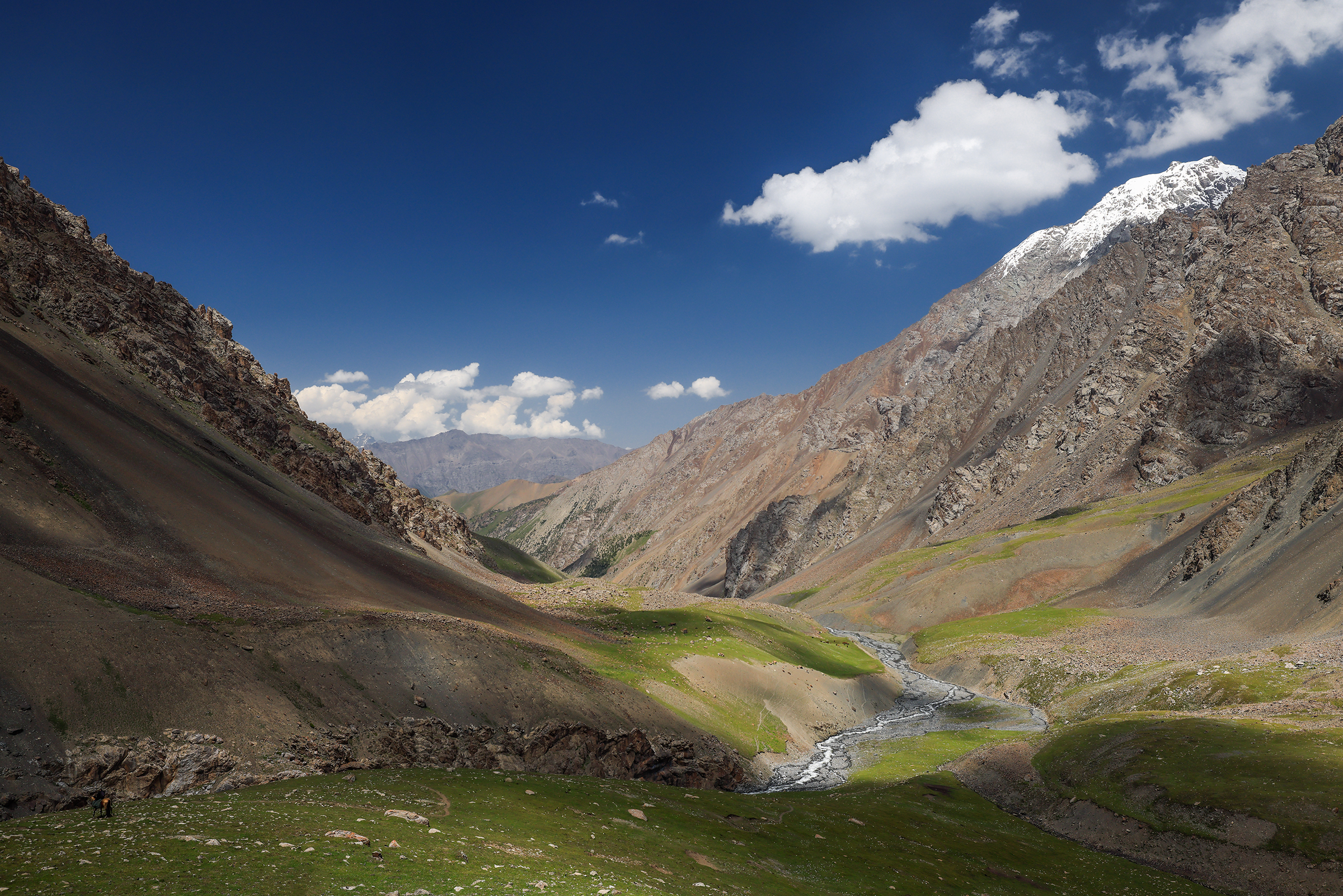
Every so often, we stopped for a break in yurts. Dried fruits, little apples, and wedges of watermelon were always laid out and always welcome.
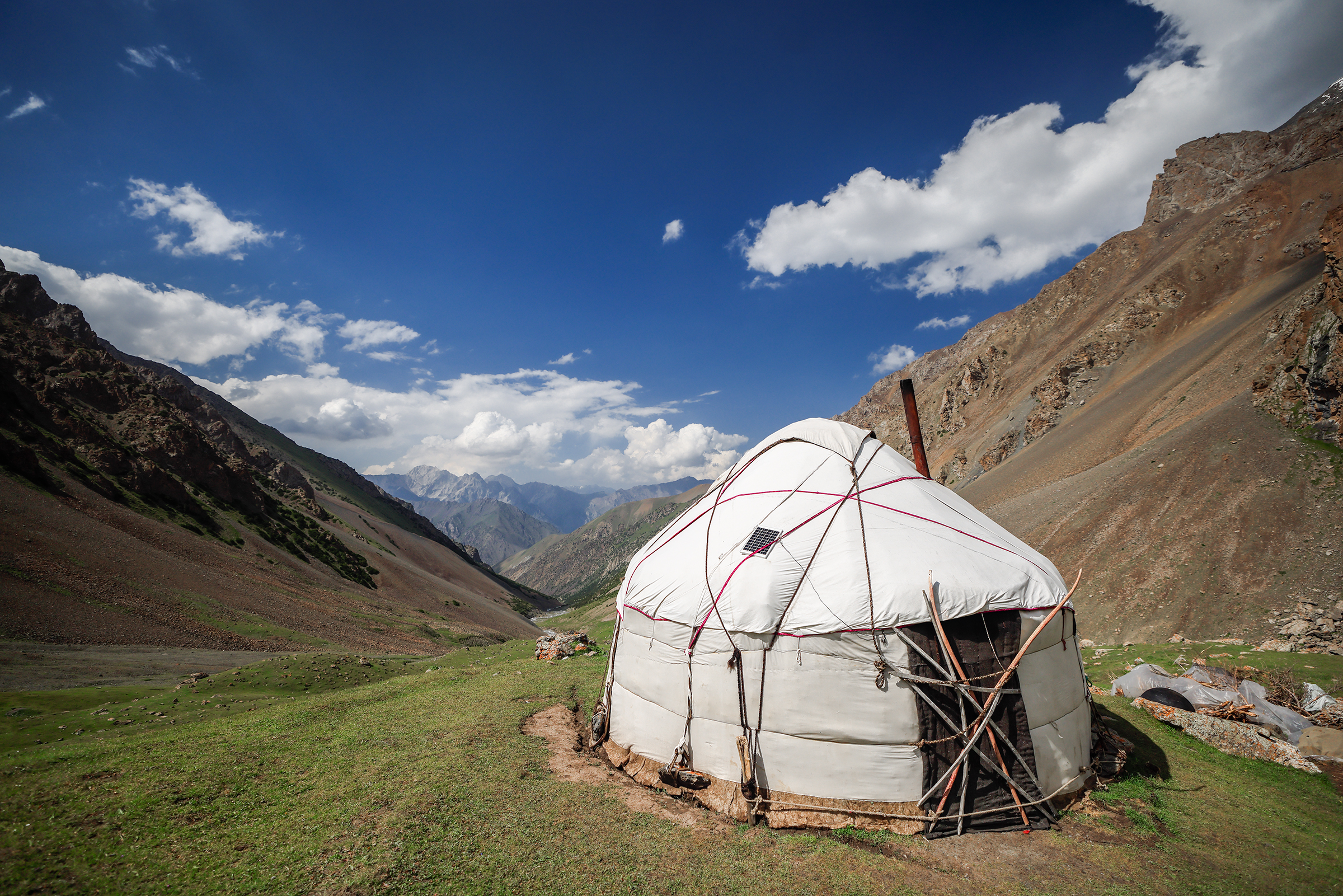

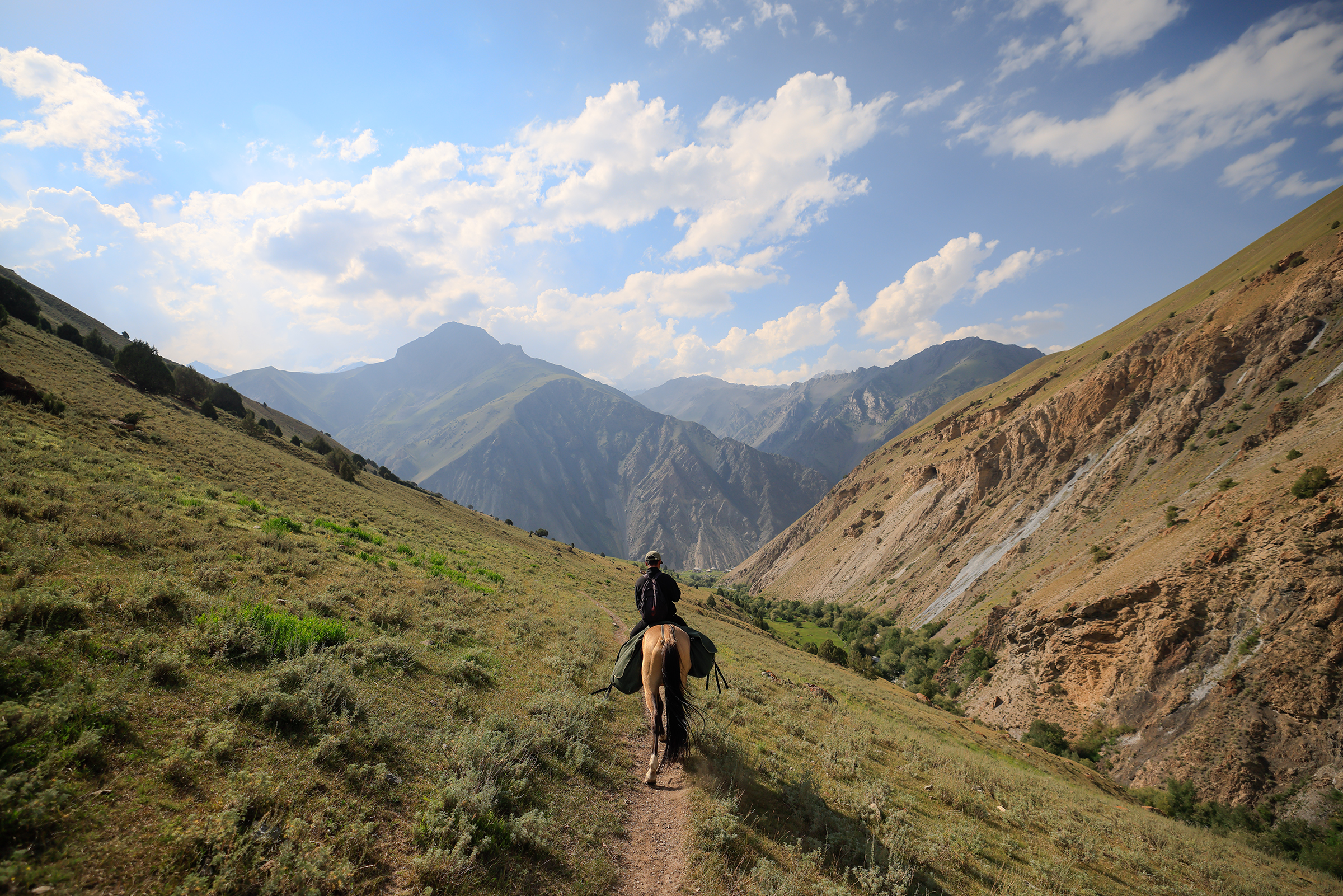
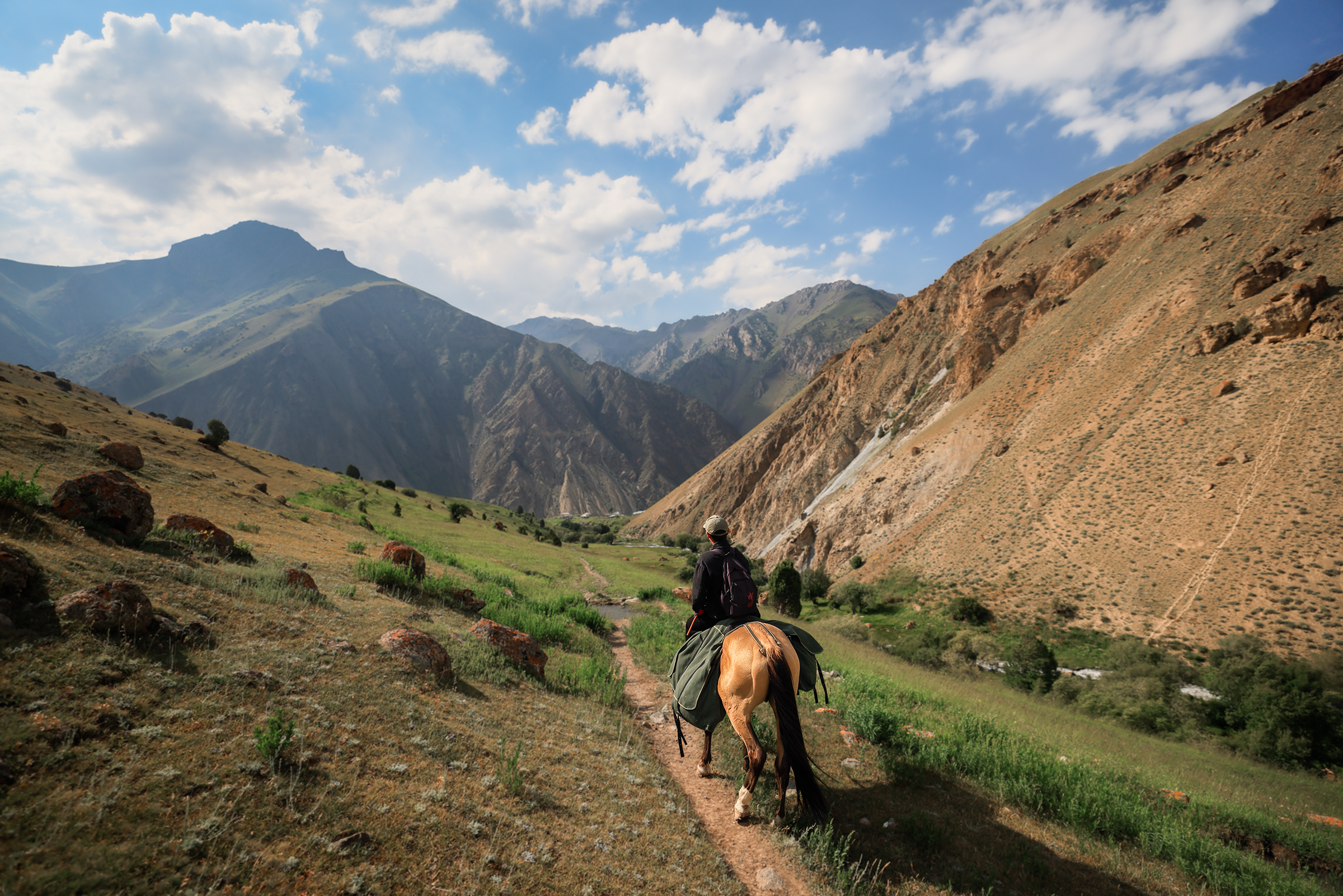
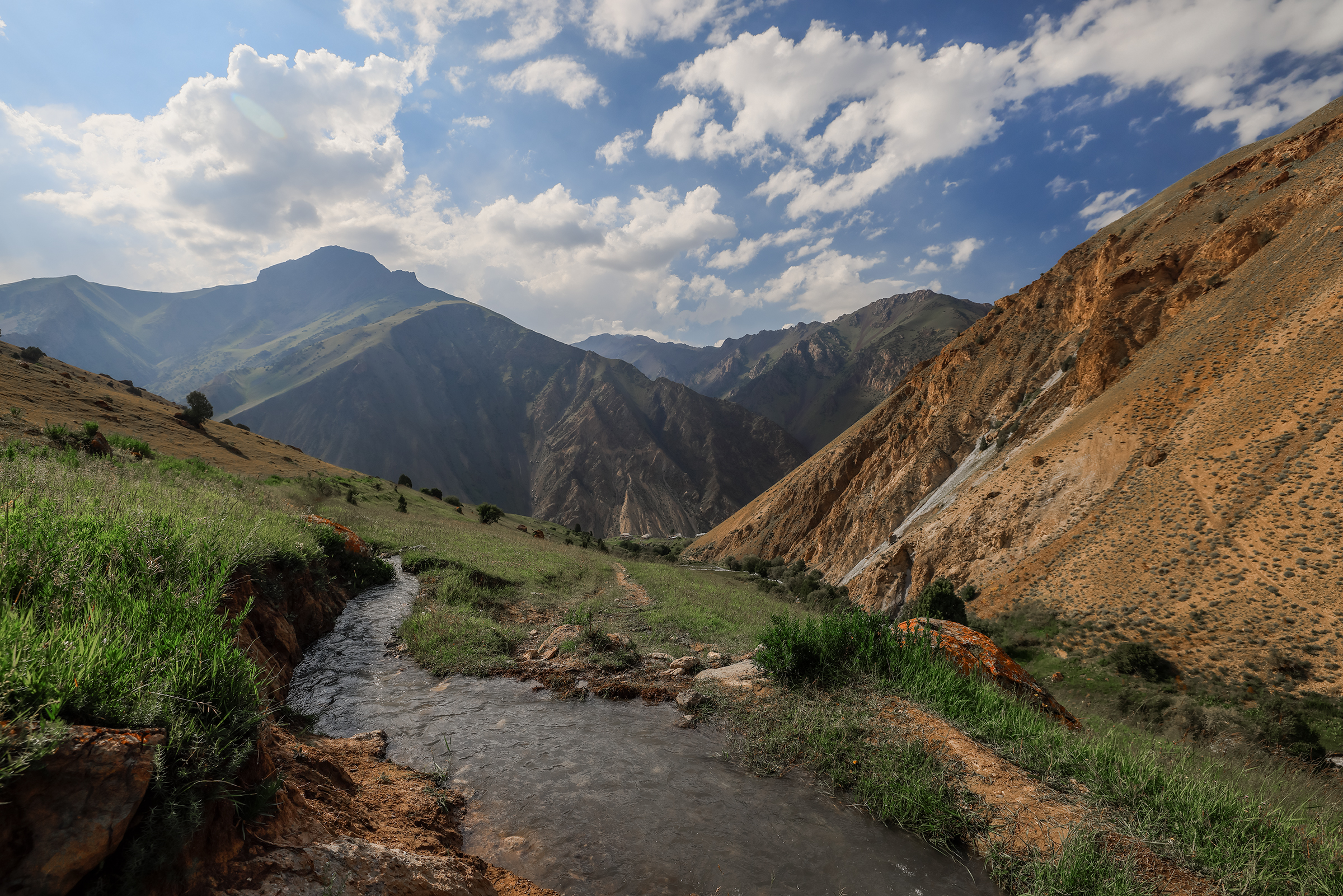
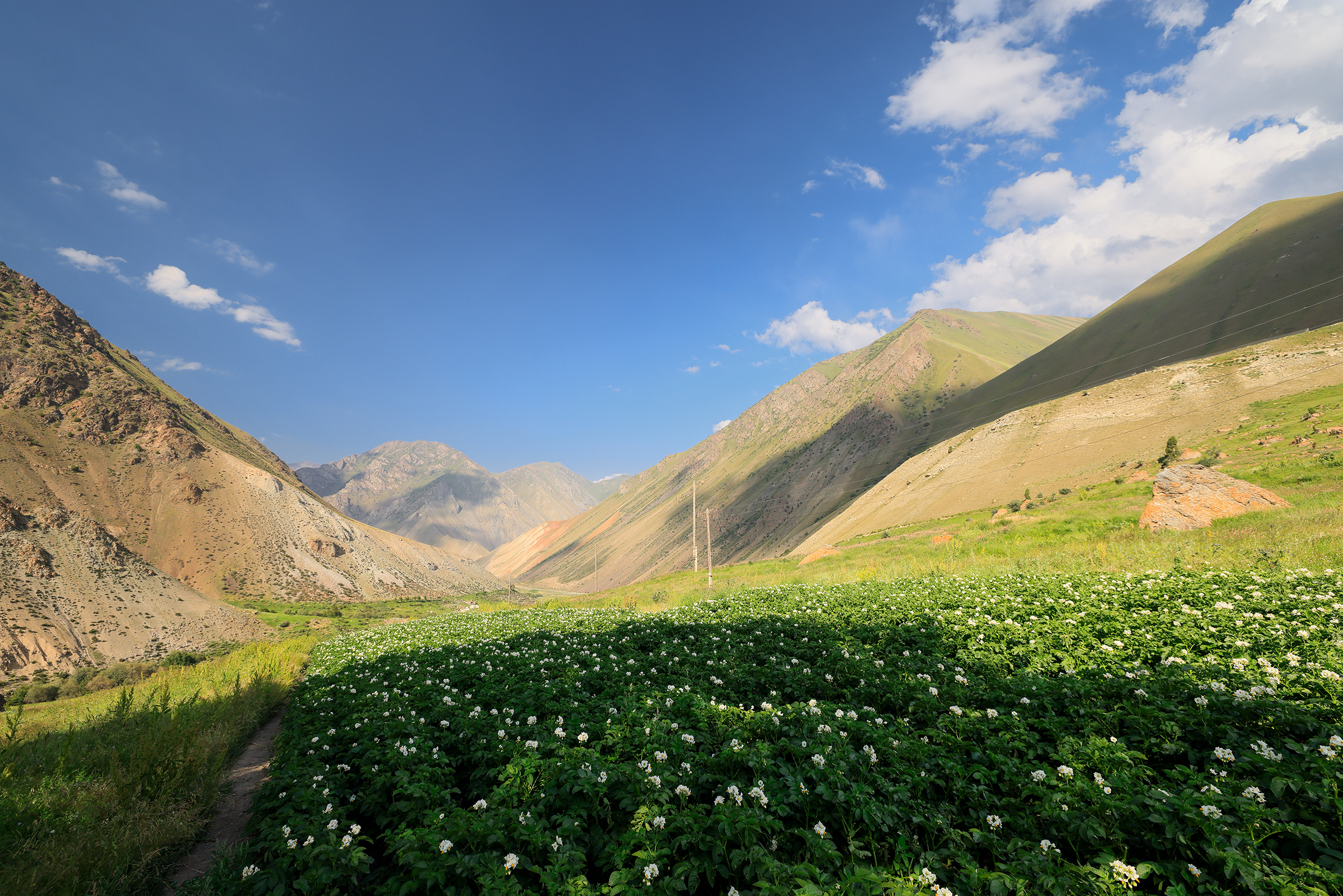
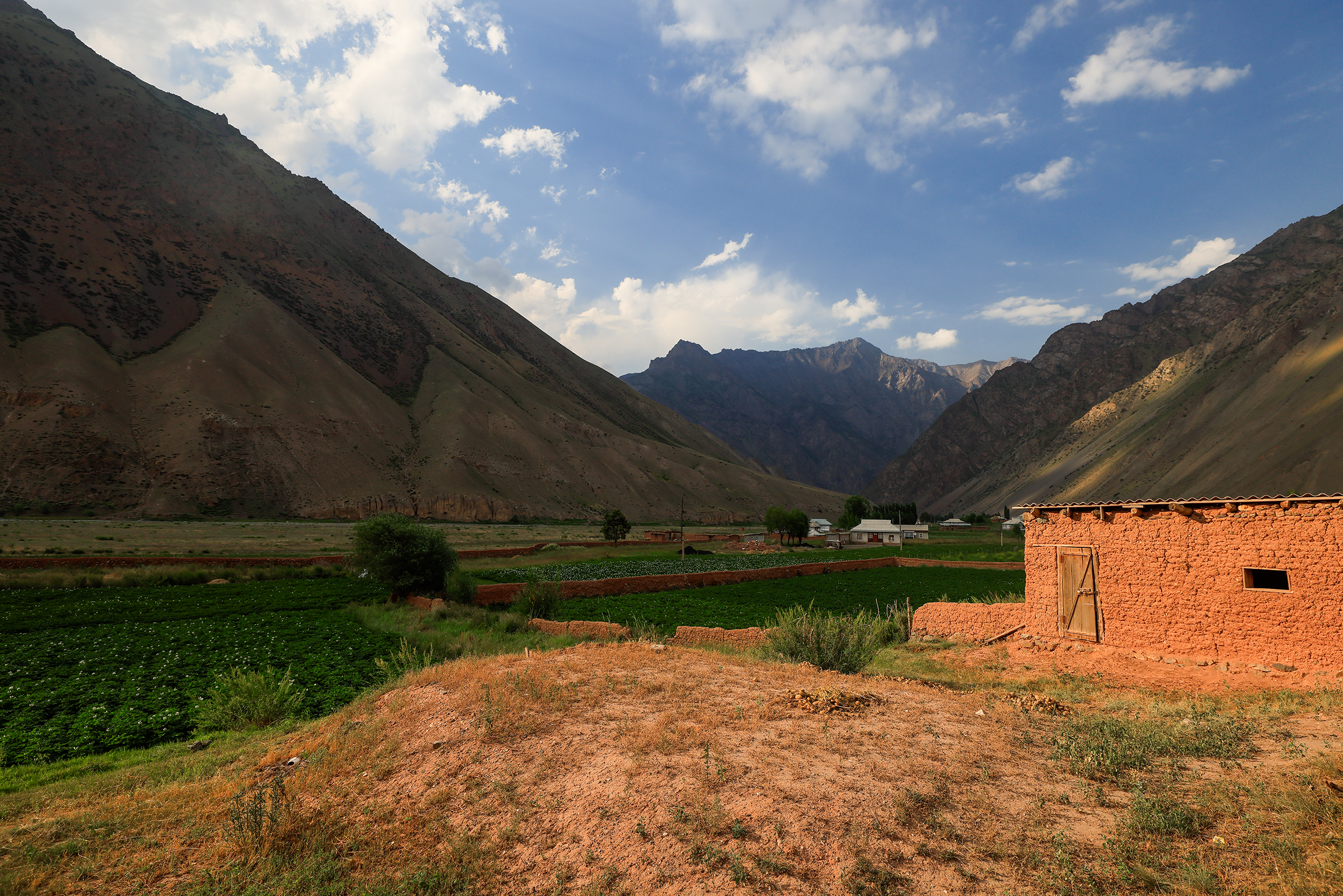
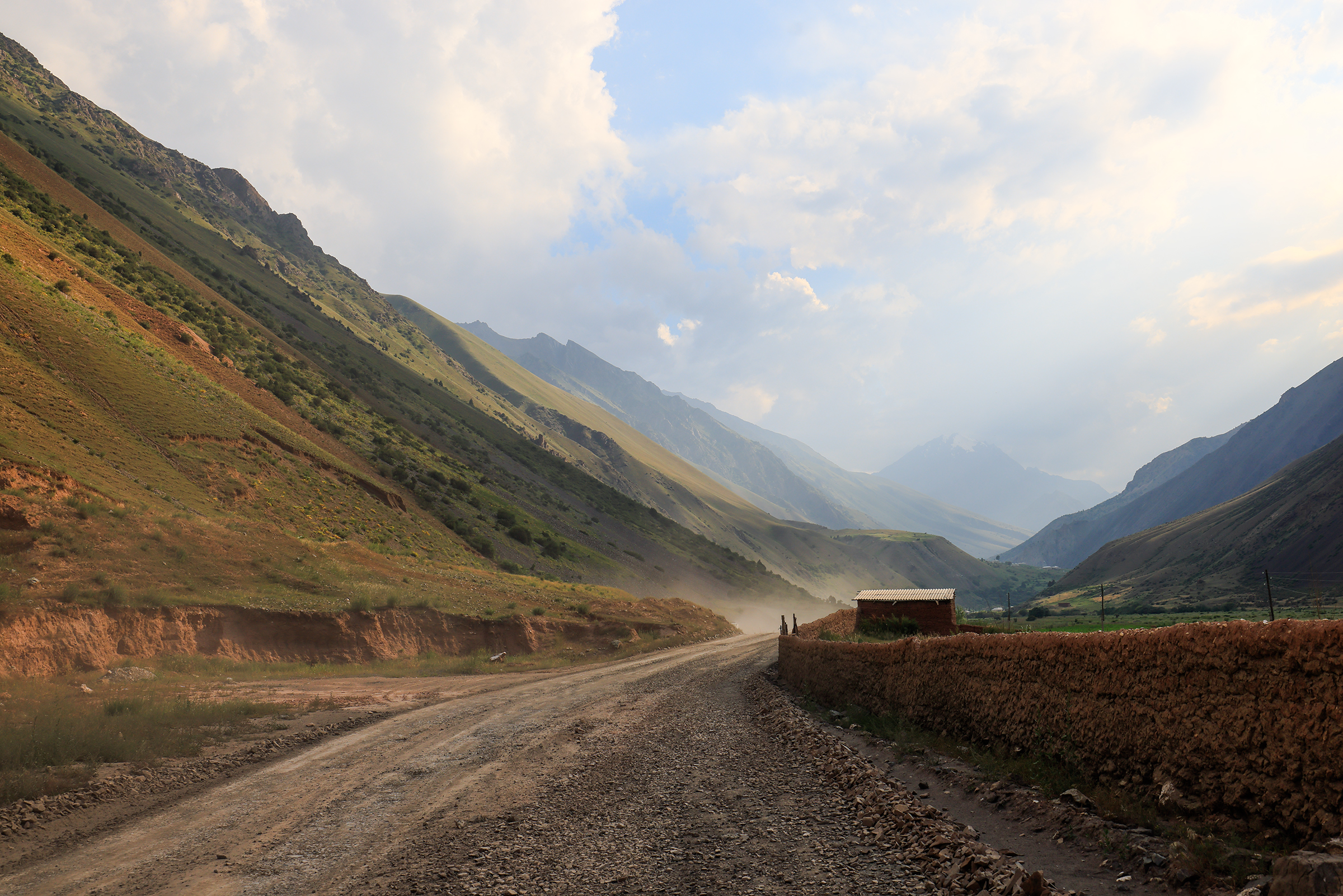

We reached Kyzil Shara and stayed in one of the constructions you can see in the foreground. There was electricity, a hearty dinner, and ginormous spiders everywhere (which, for the record, we did not eat).
Day 2: Kyzil Shara to Kozho Kelen via the Sary Bel pass
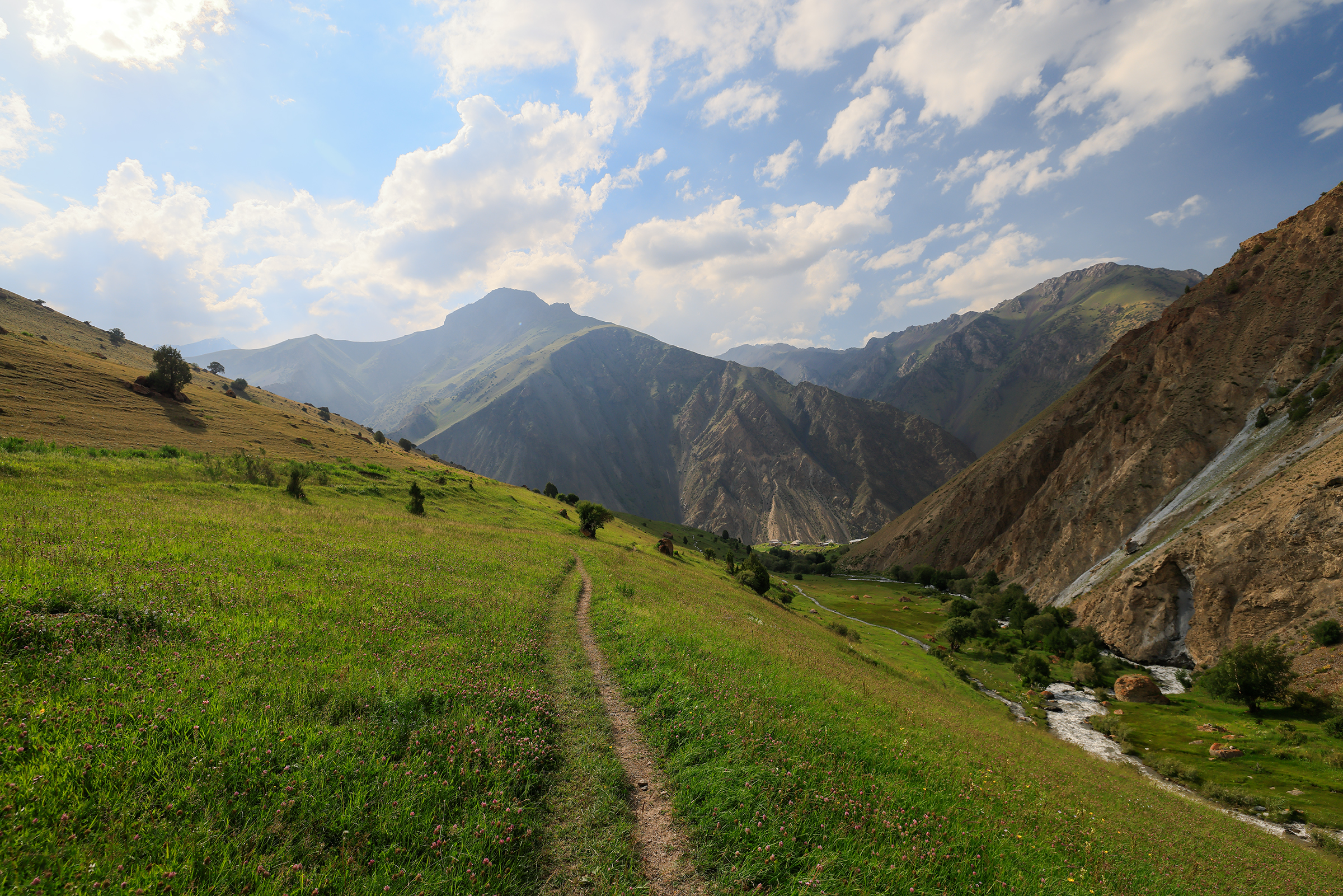
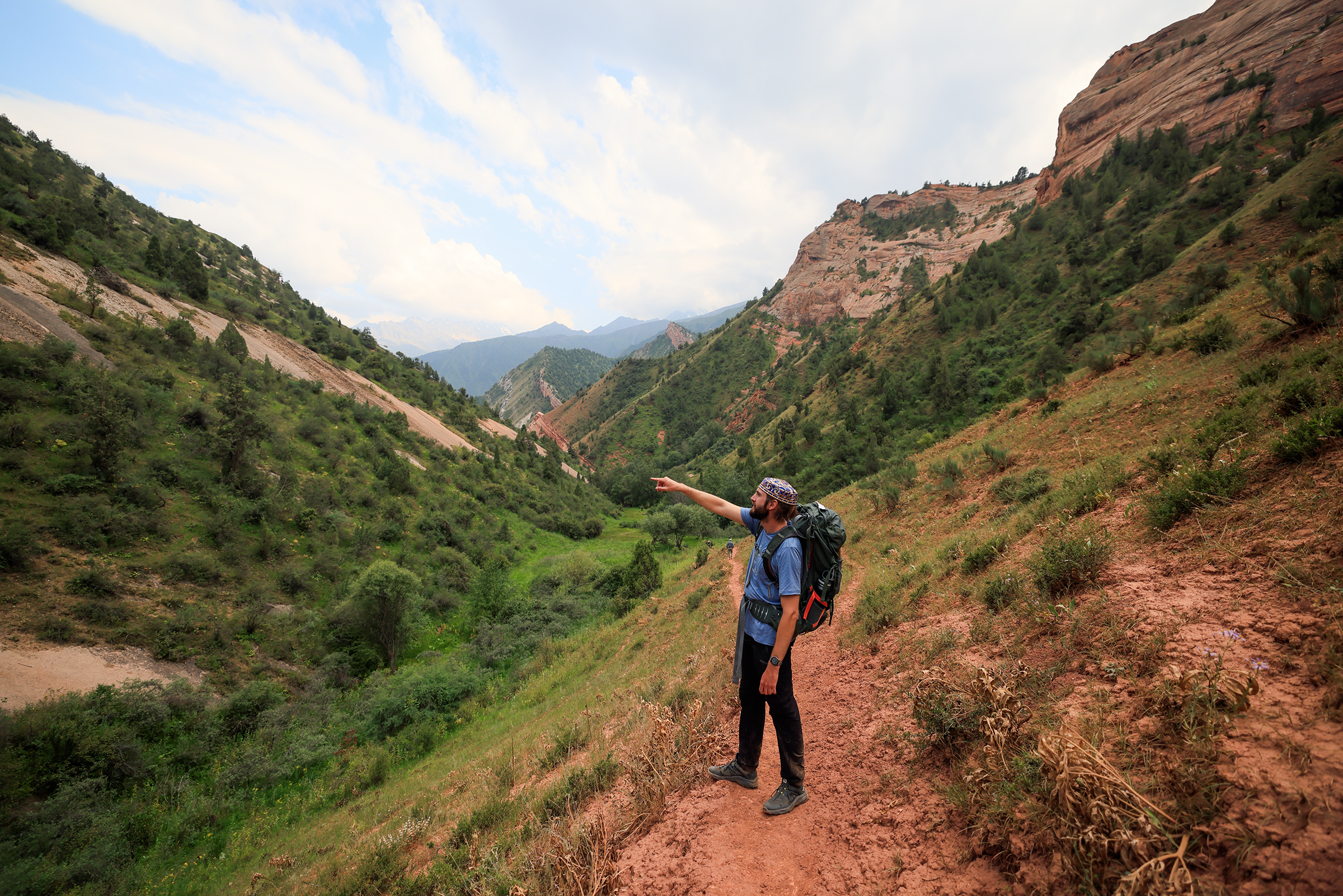
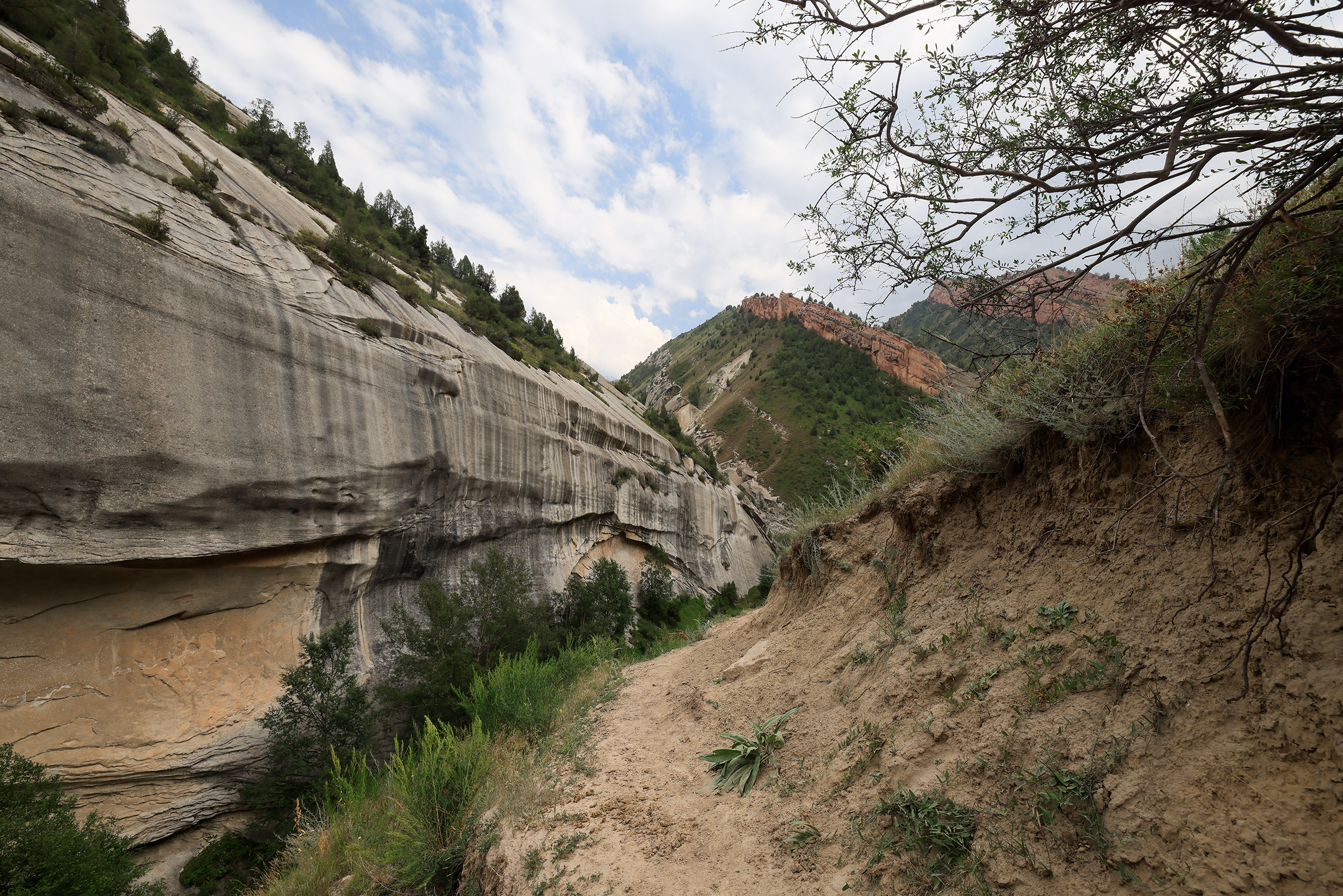
The climate in the Alay Mountains is alpine and continental, but on our second day the landscapes shifted dramatically. Parts of the range — like the Three Dragons Gorge (3,200m) — can look surprisingly lush, almost tropical in summer, despite sitting at altitudes where you’d expect nothing but rock and lichen.
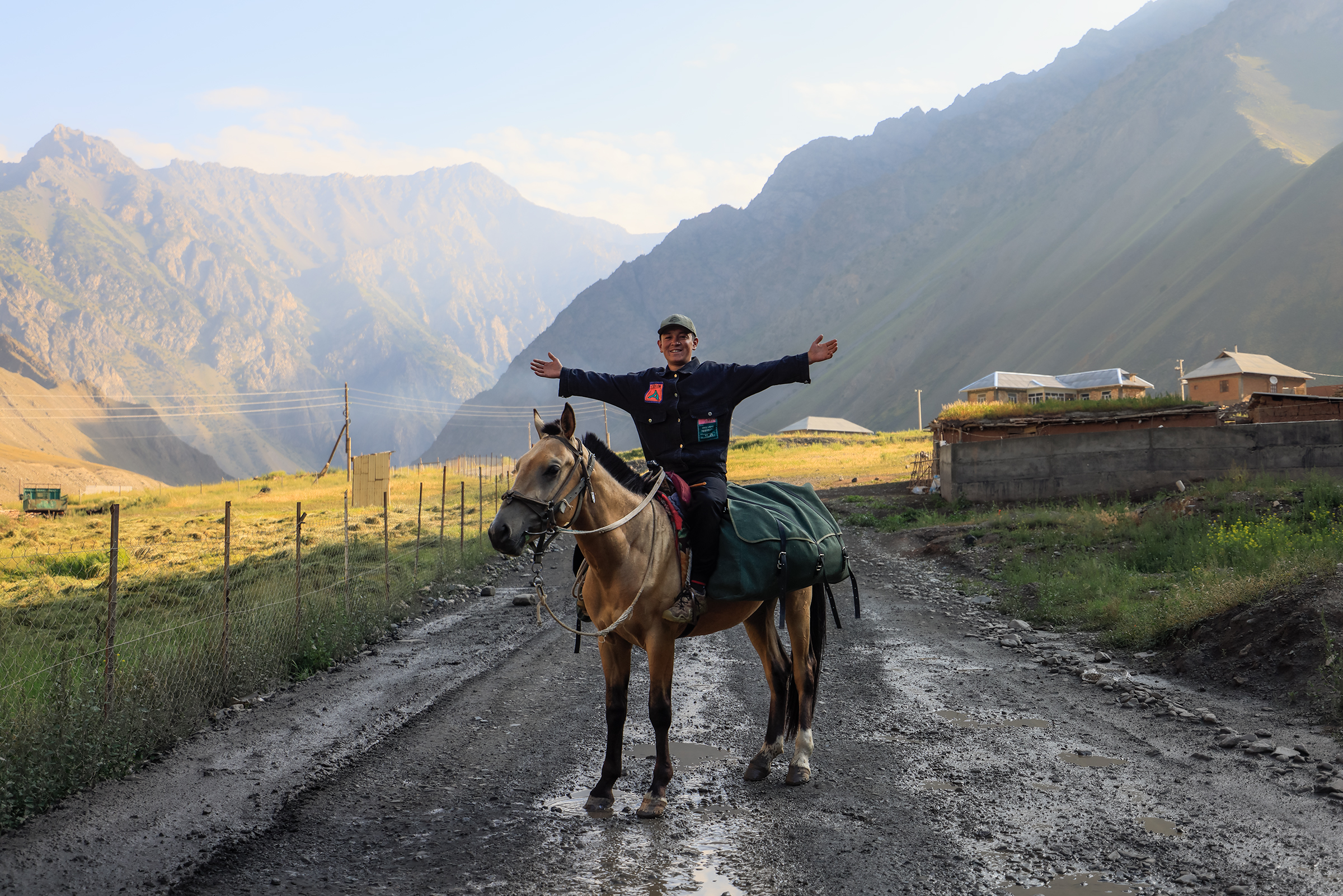
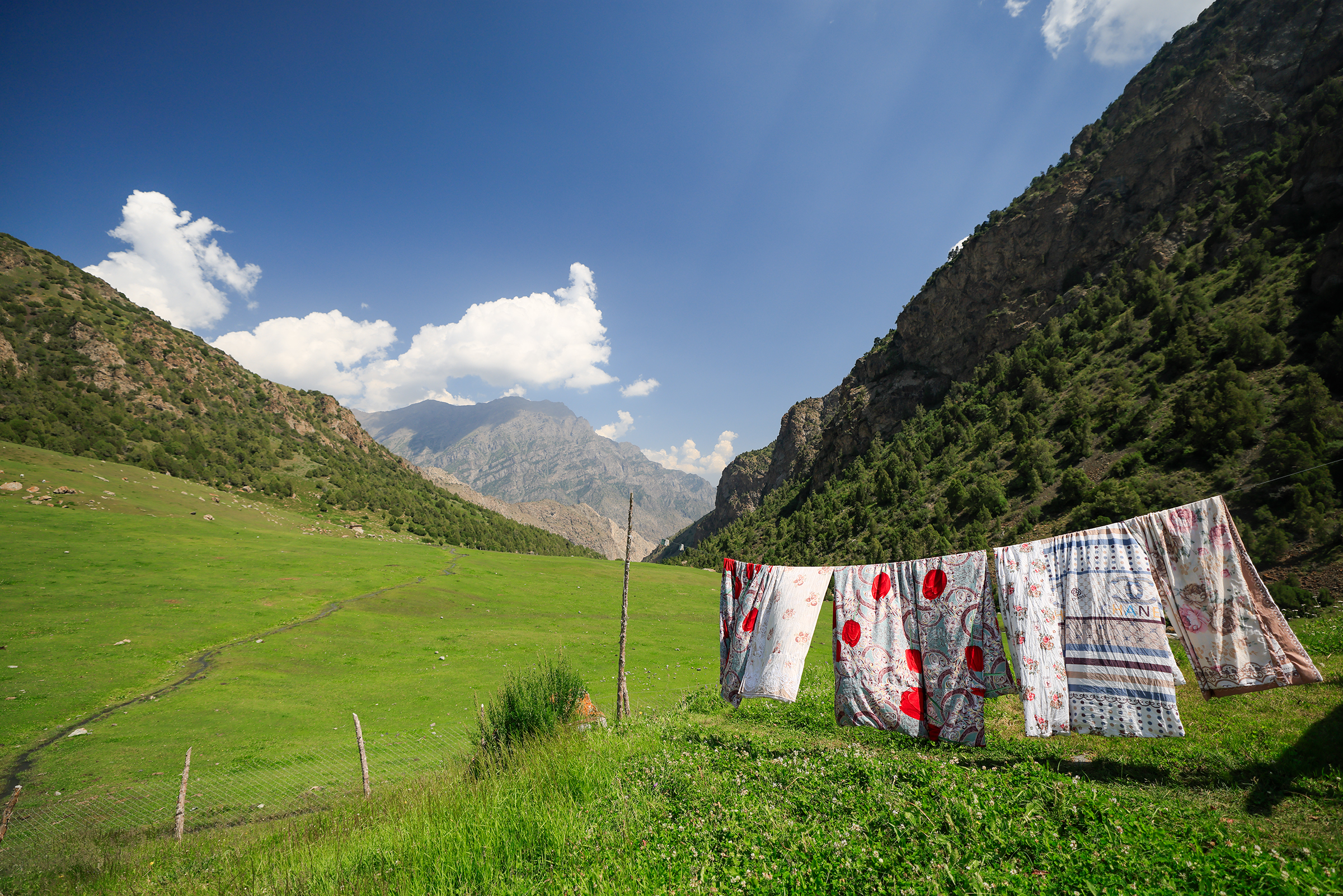

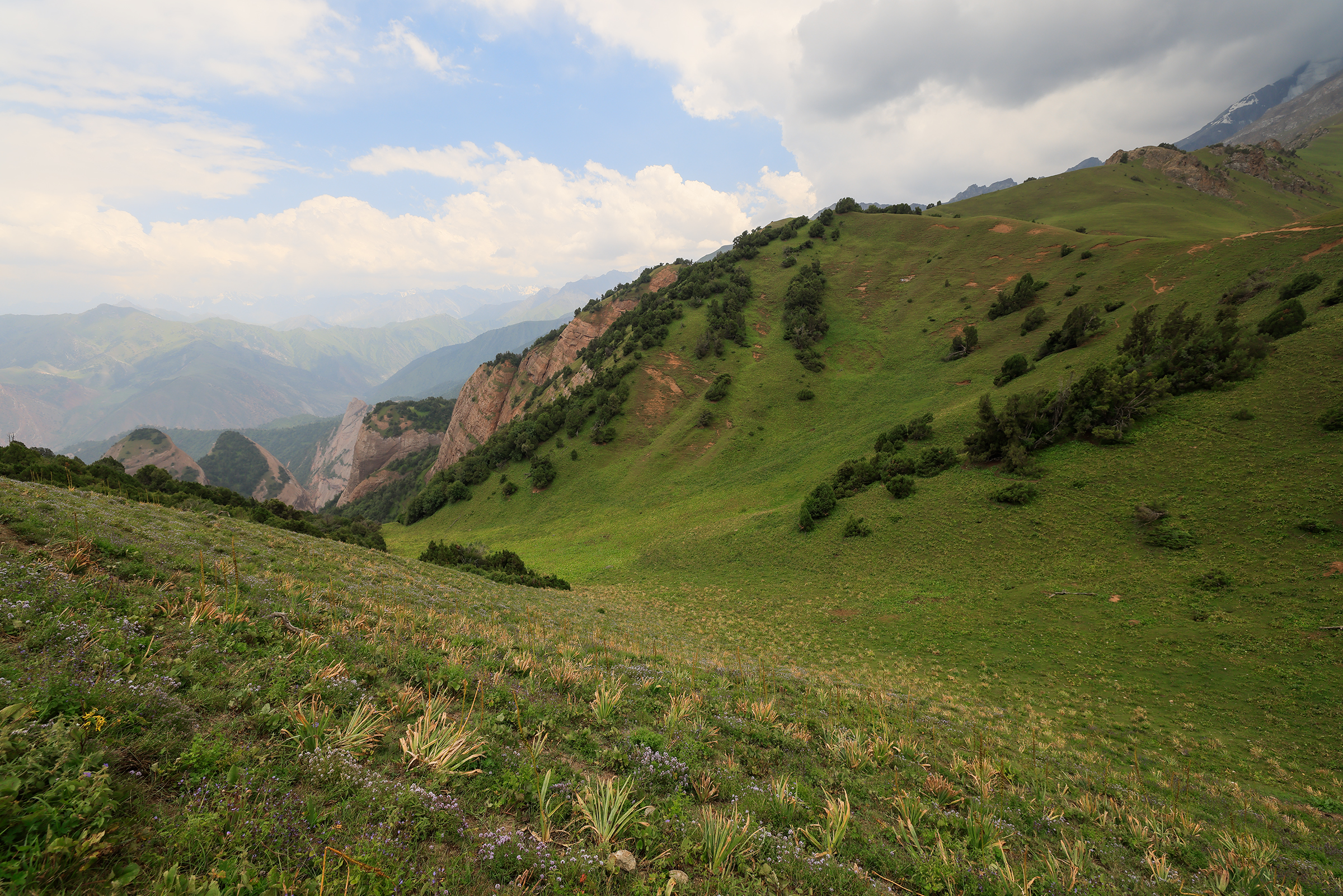
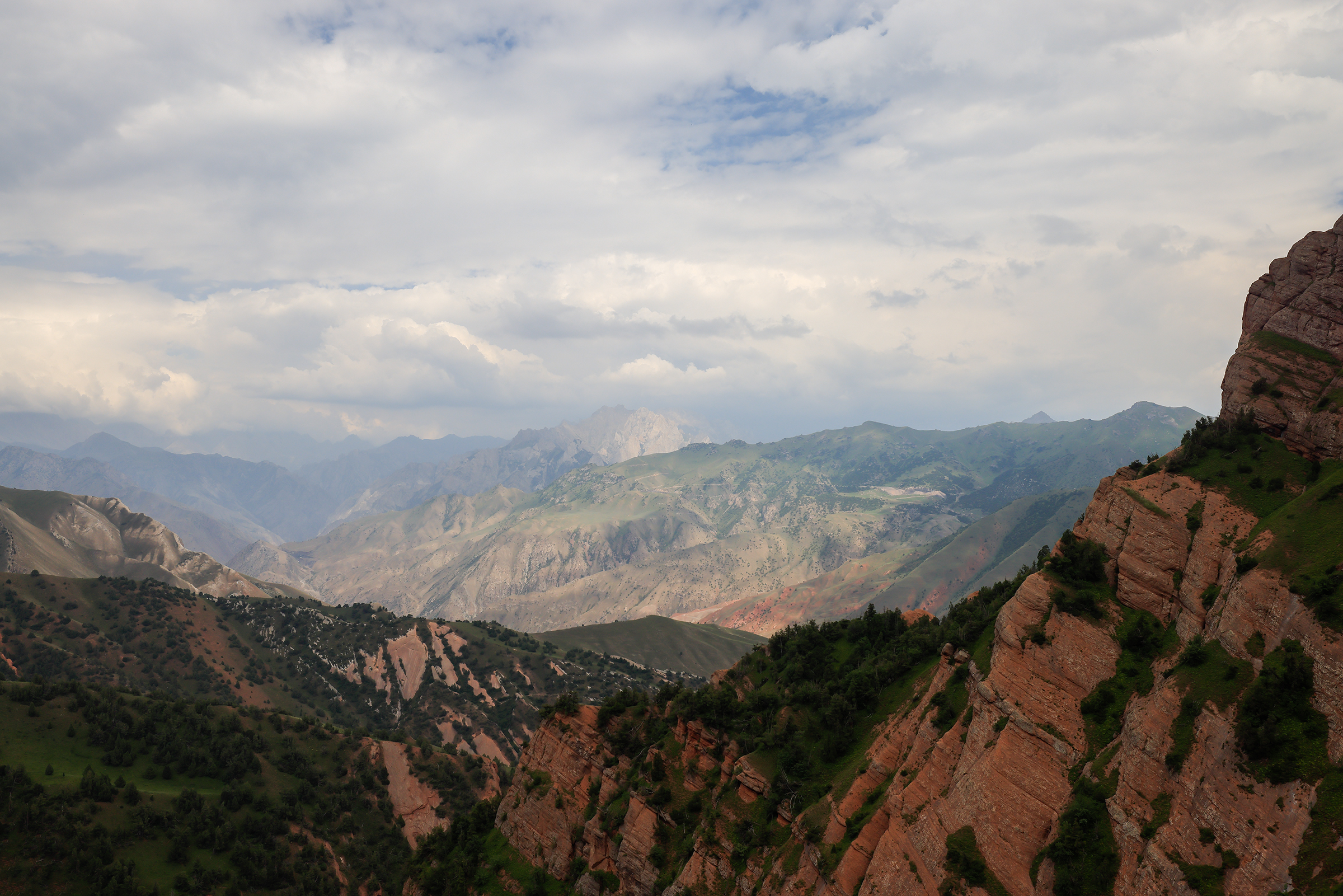
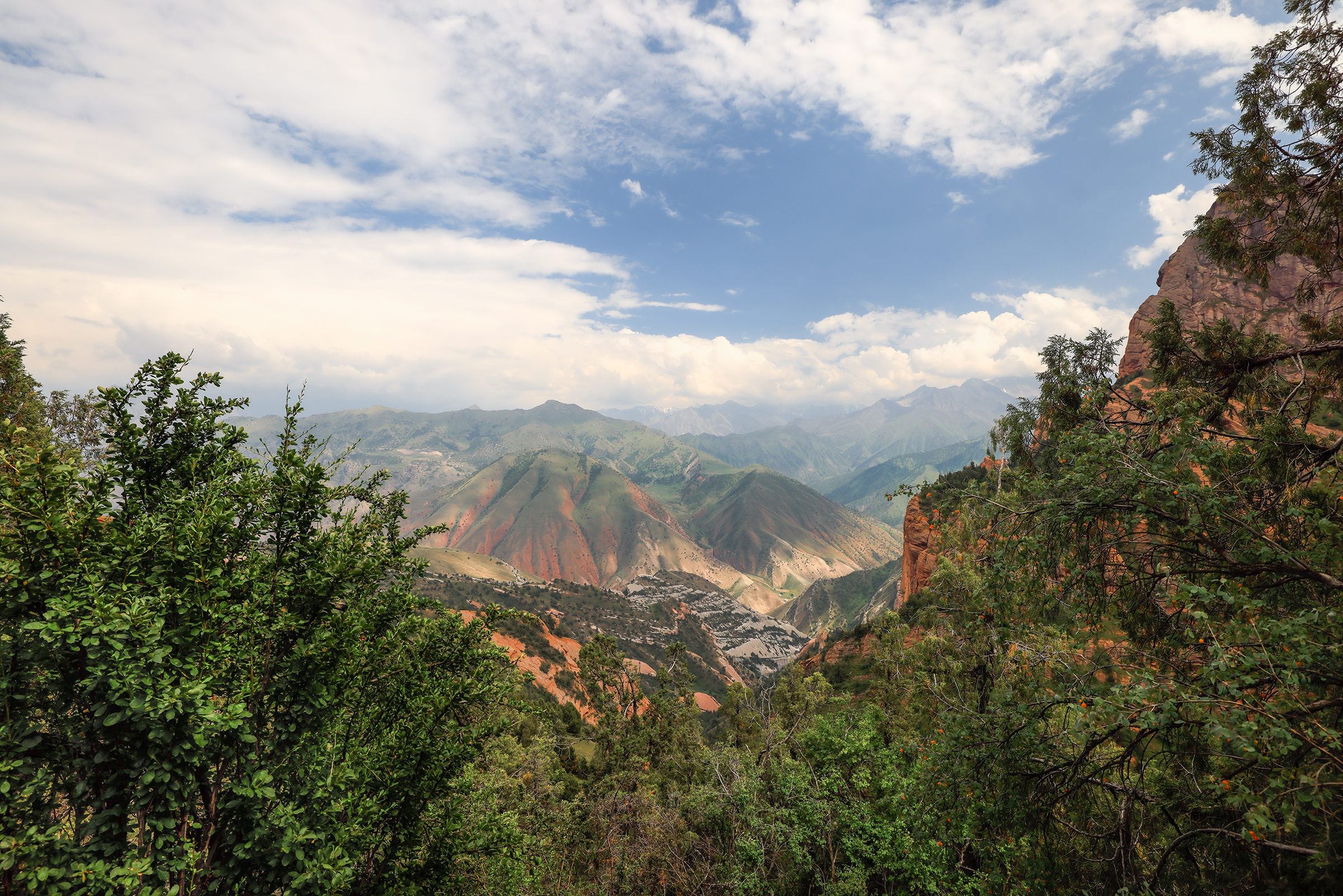
I couldn’t tell you where the dragons are, but the change of scenery was impossible to miss.


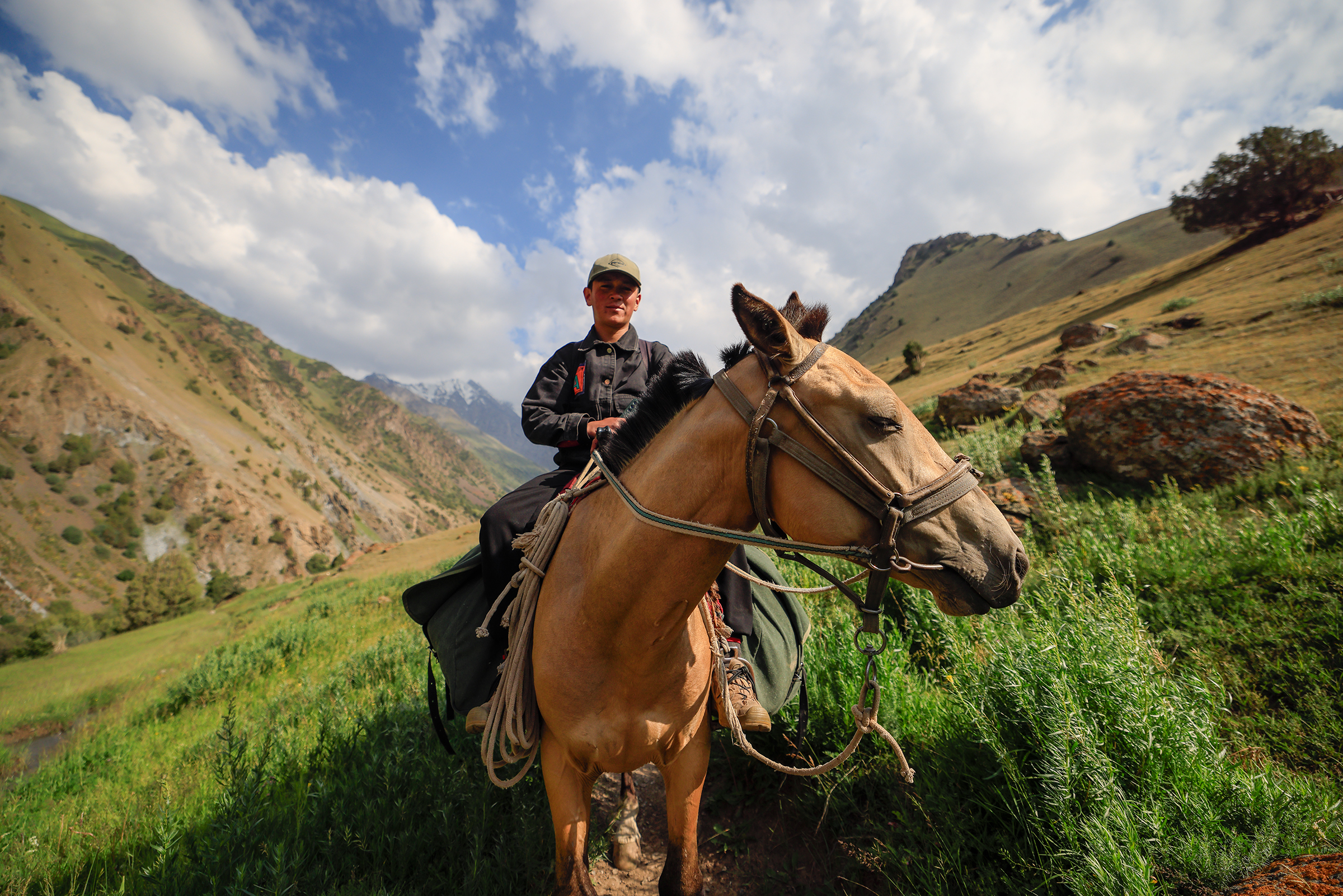
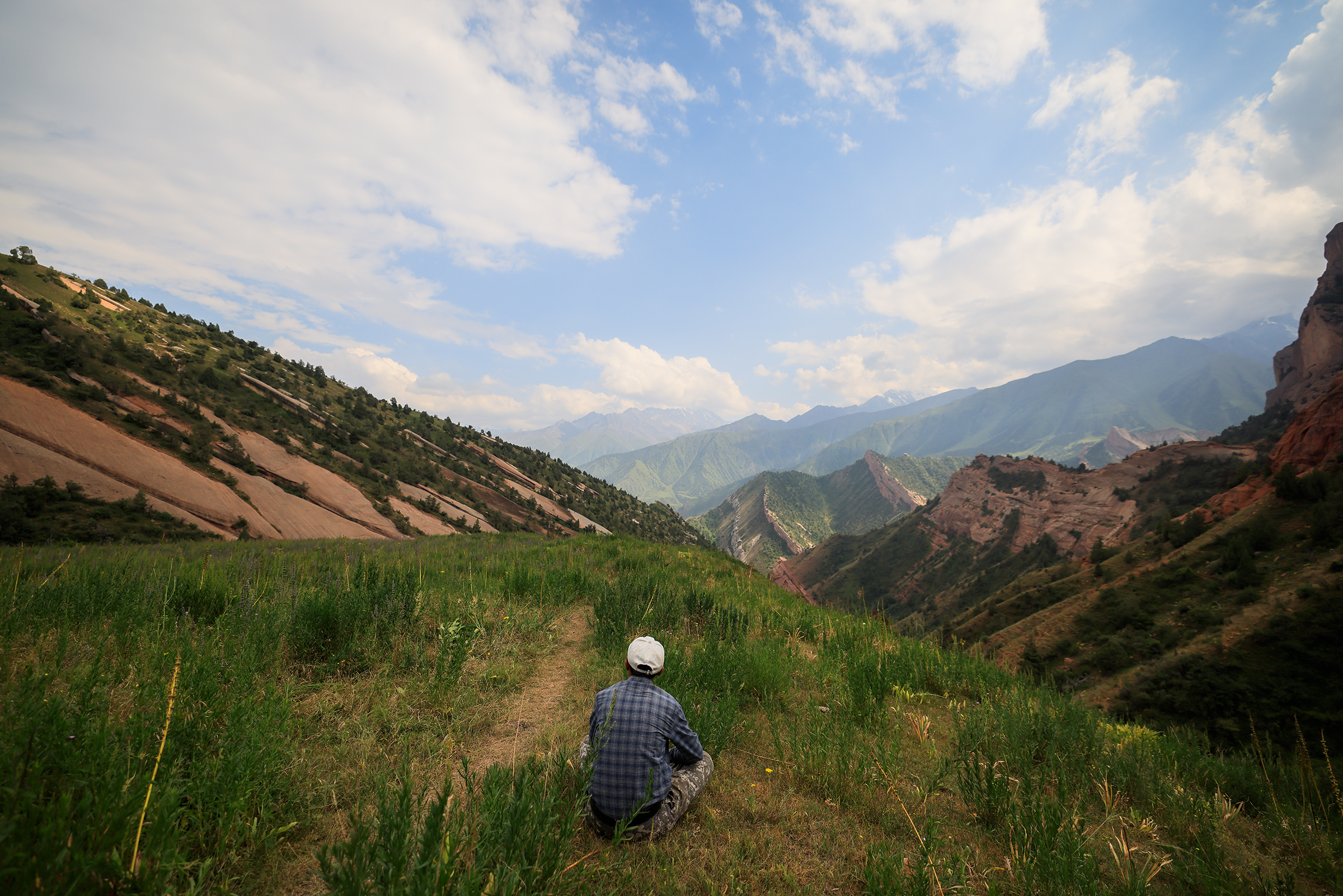
Our guide, Echin contemplating his own playground:
Day 3: Kozho Kelen to Jiptik Yurt Camp
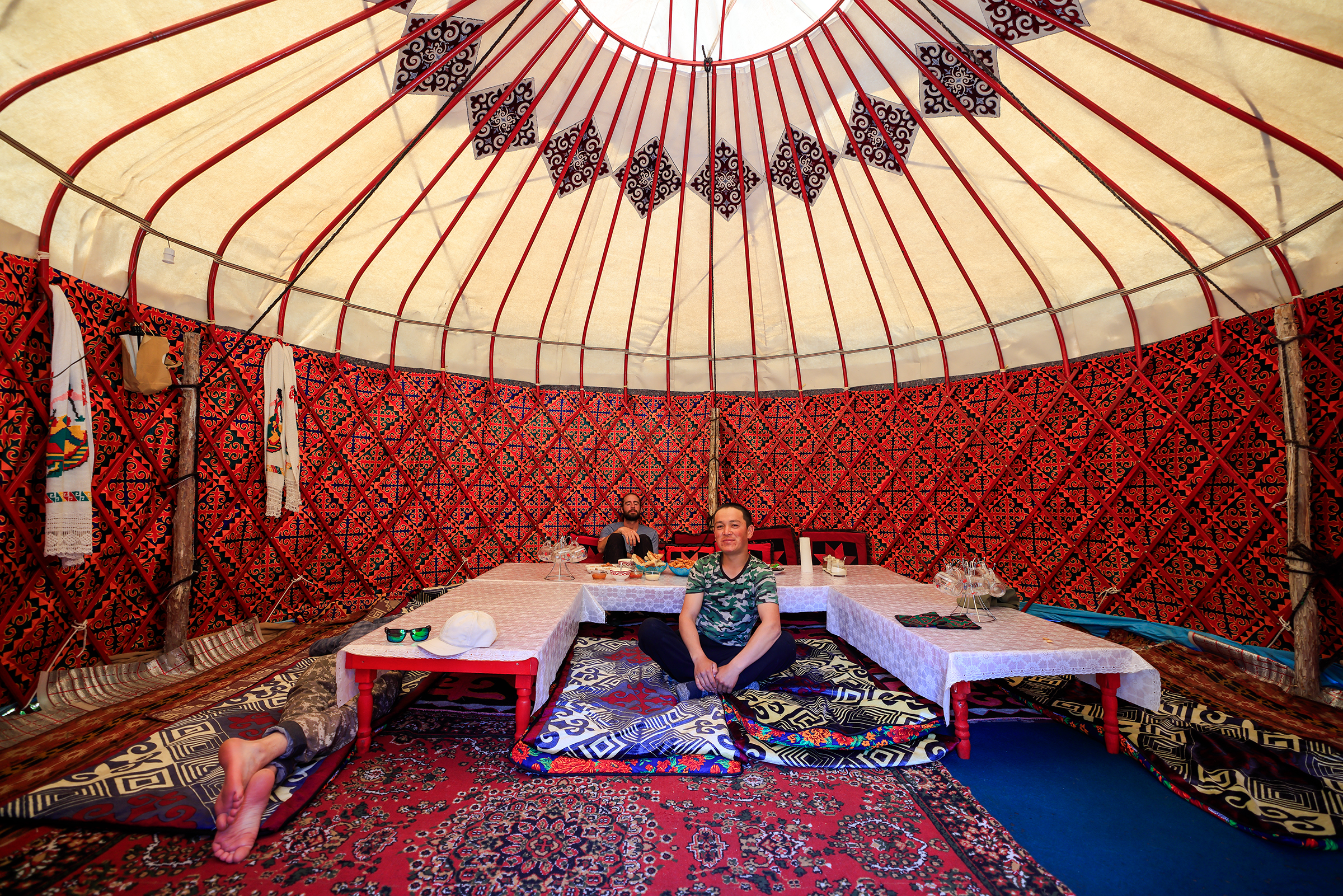
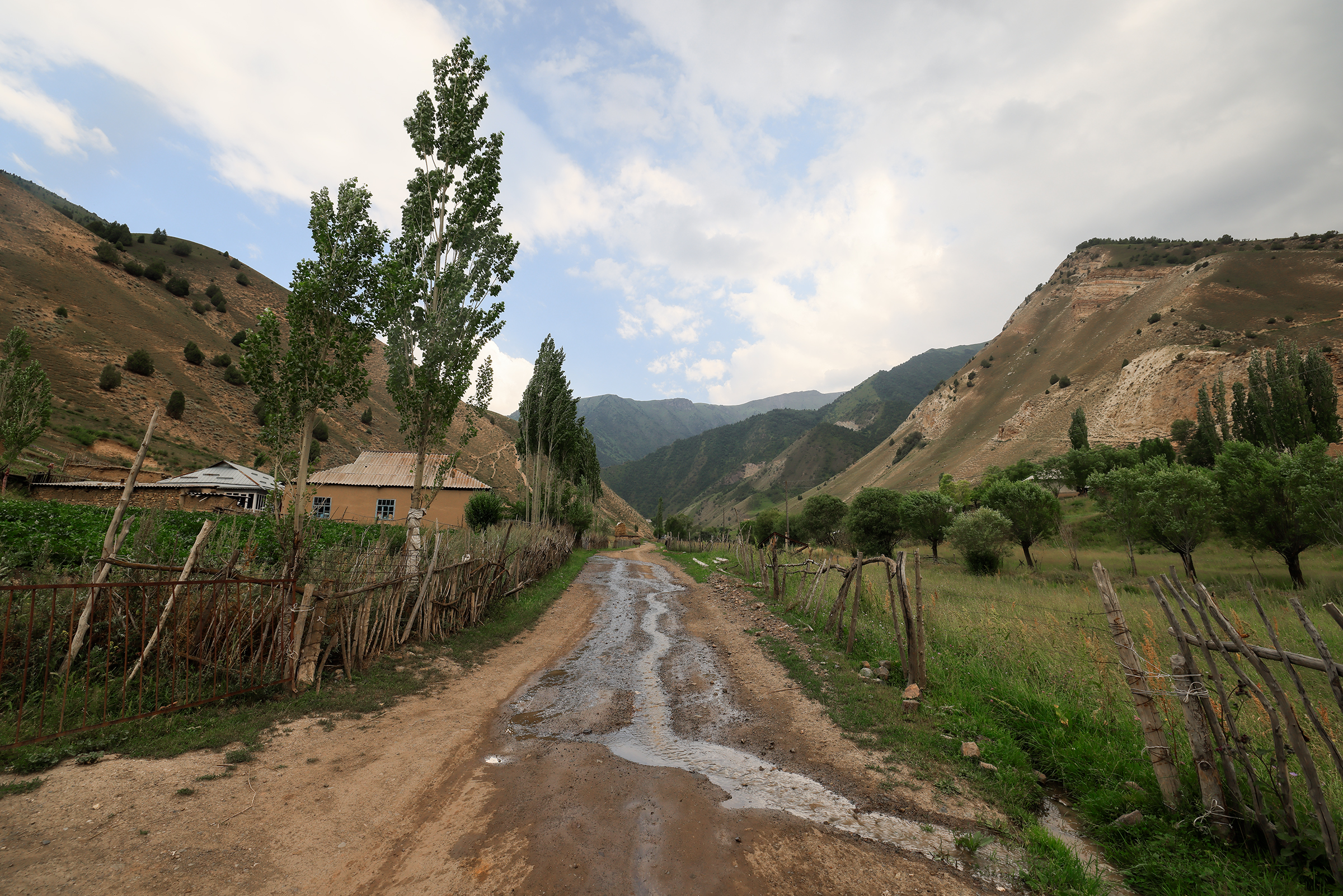
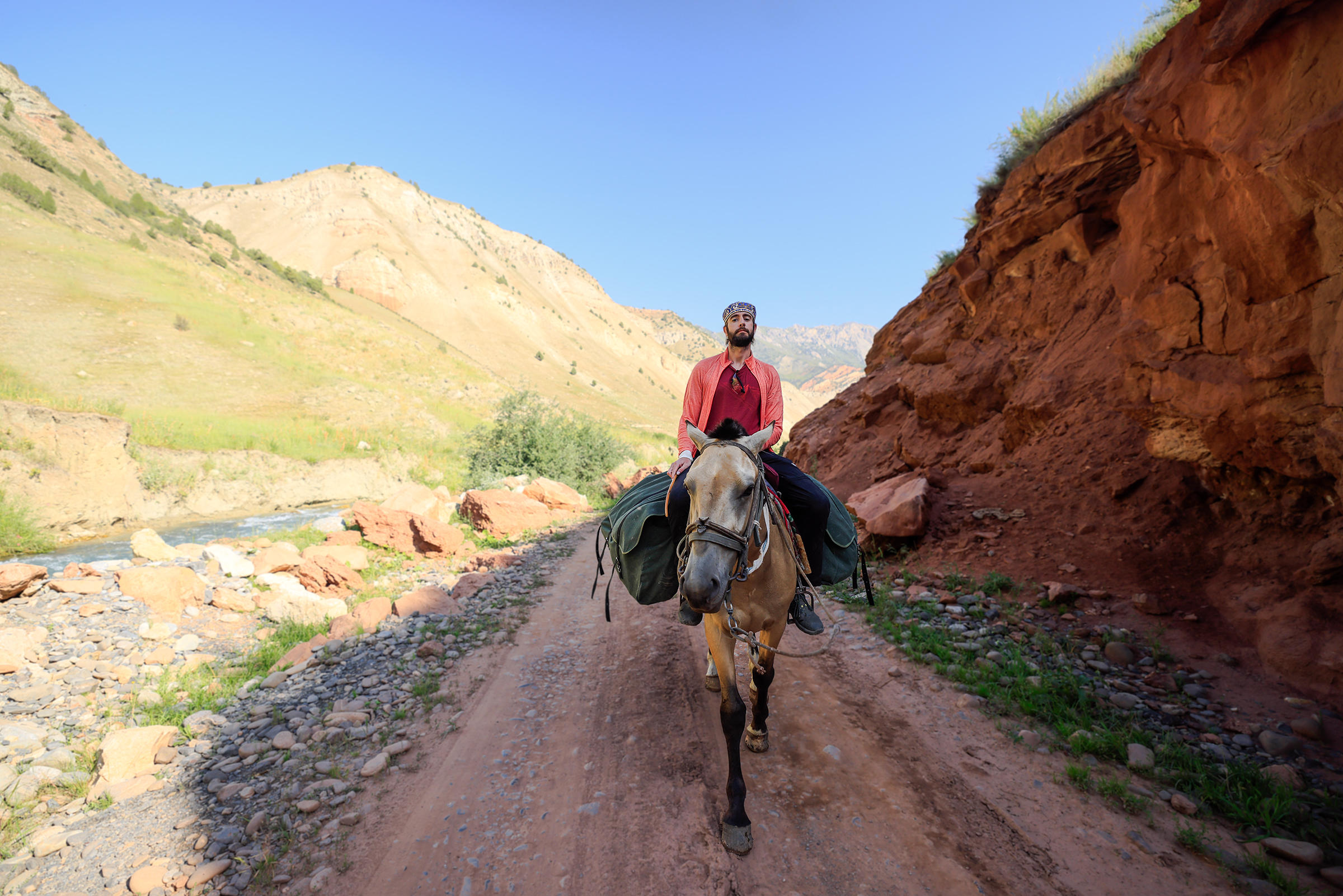
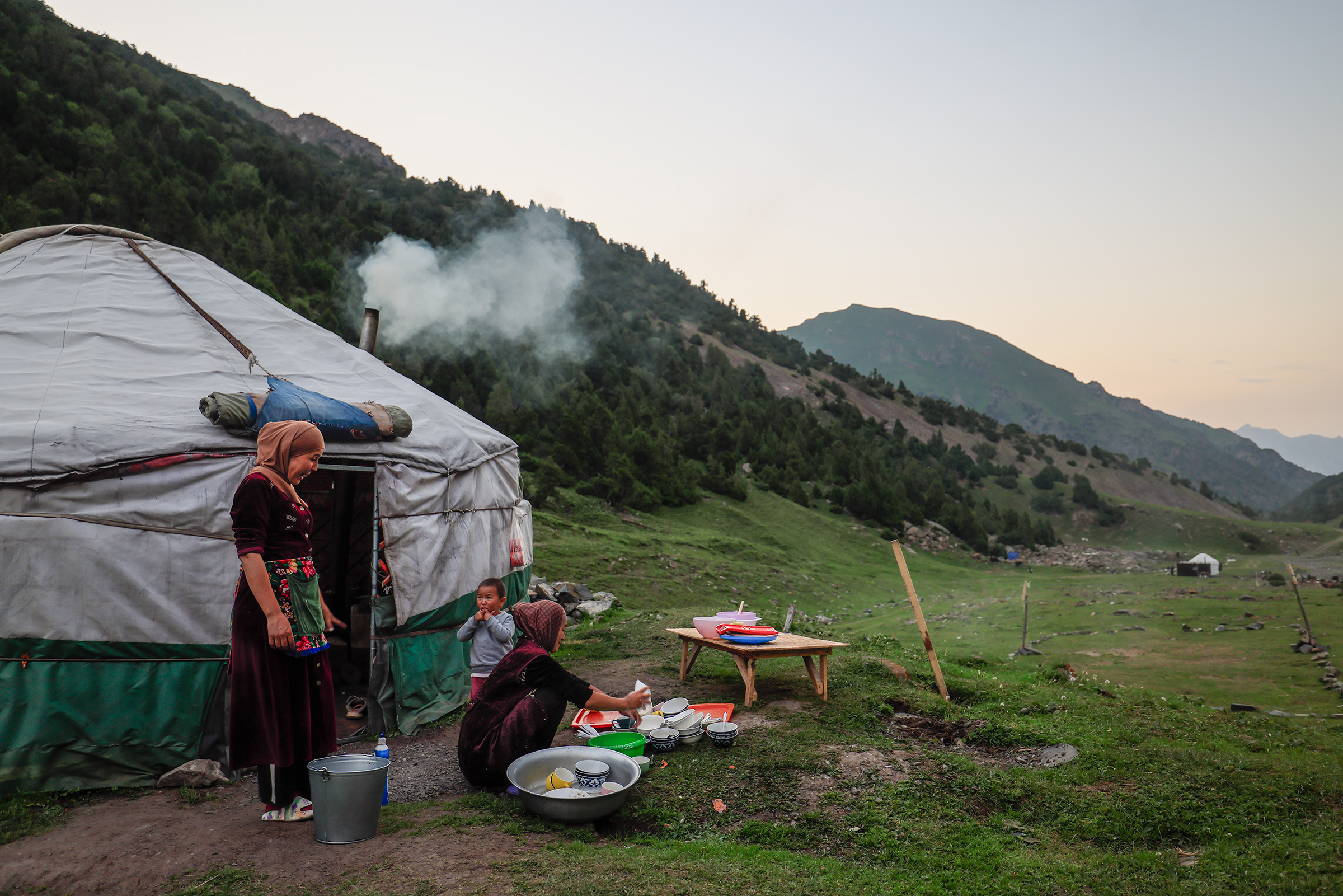
As we had made very good progress already, day 3 was short, giving us time to linger at the yurts — completely disconnected from the rest of the world, and completely fine with it.
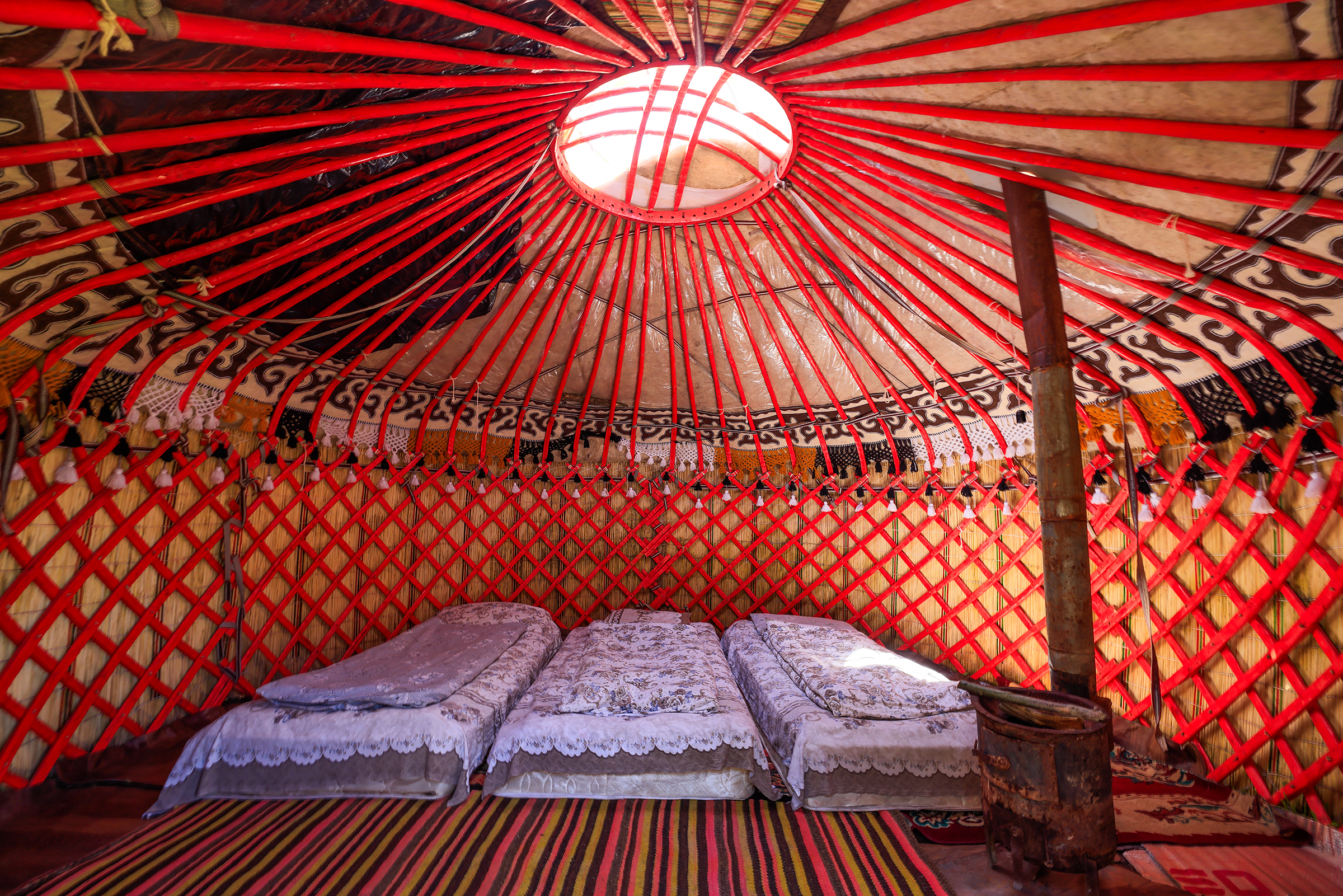
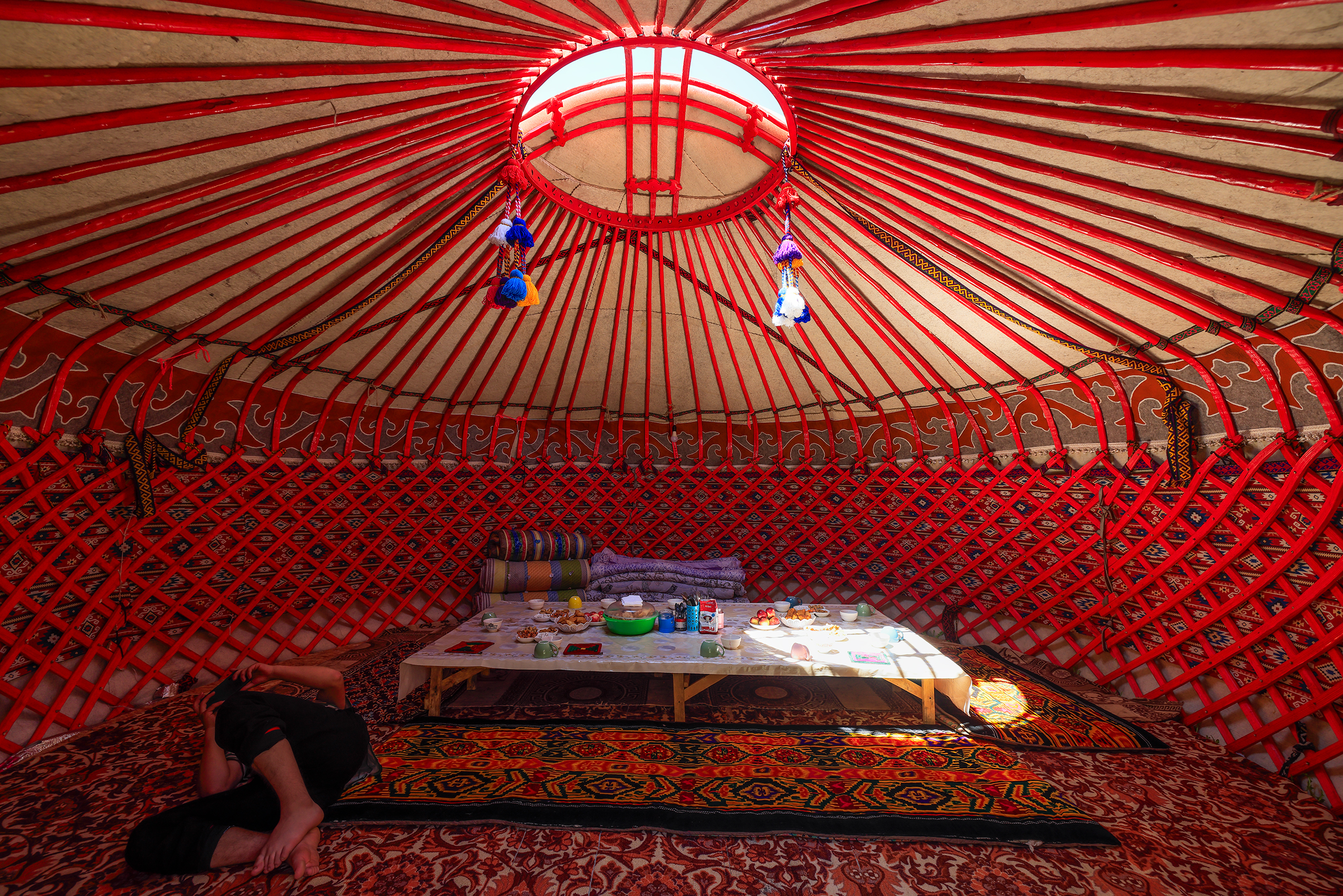
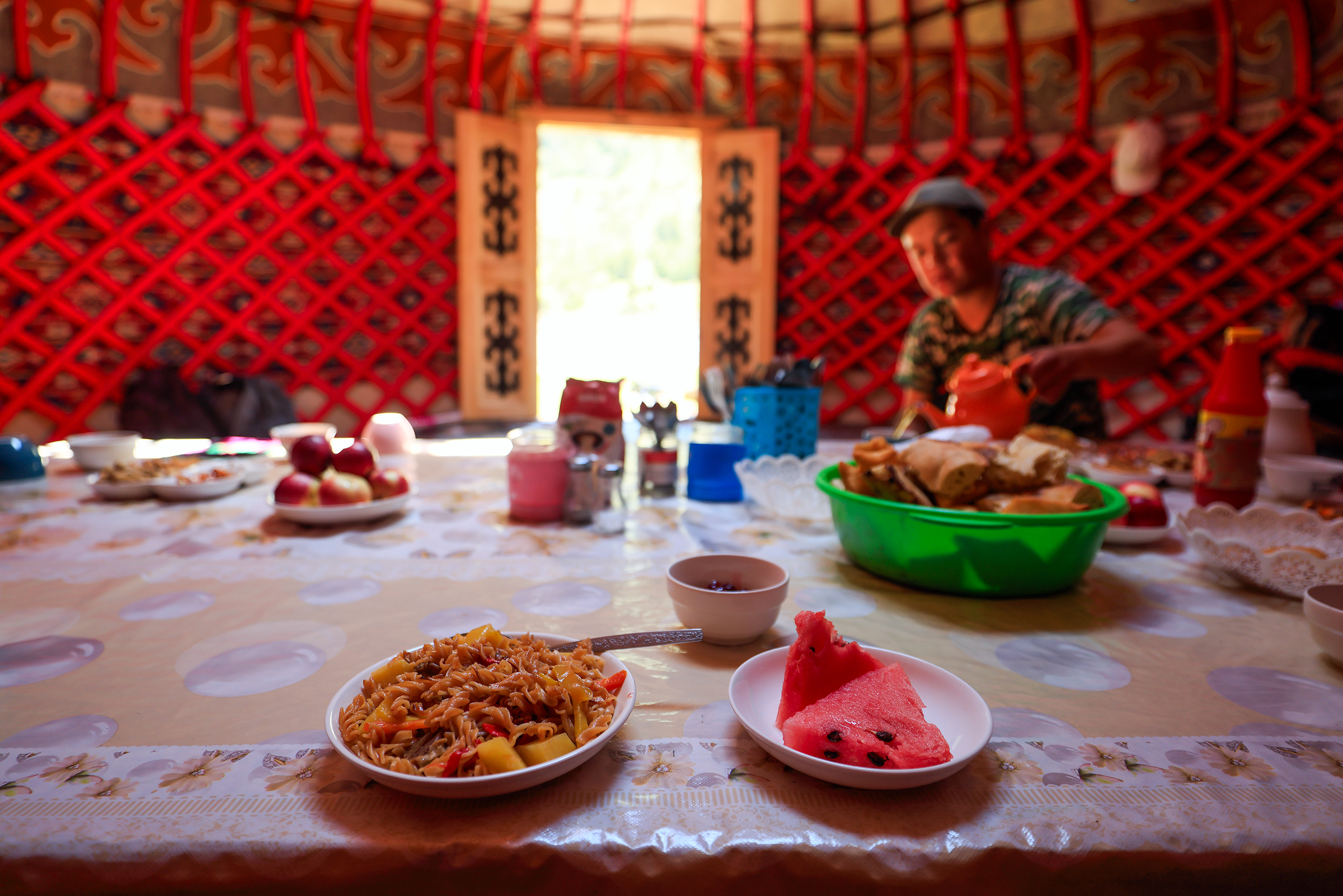
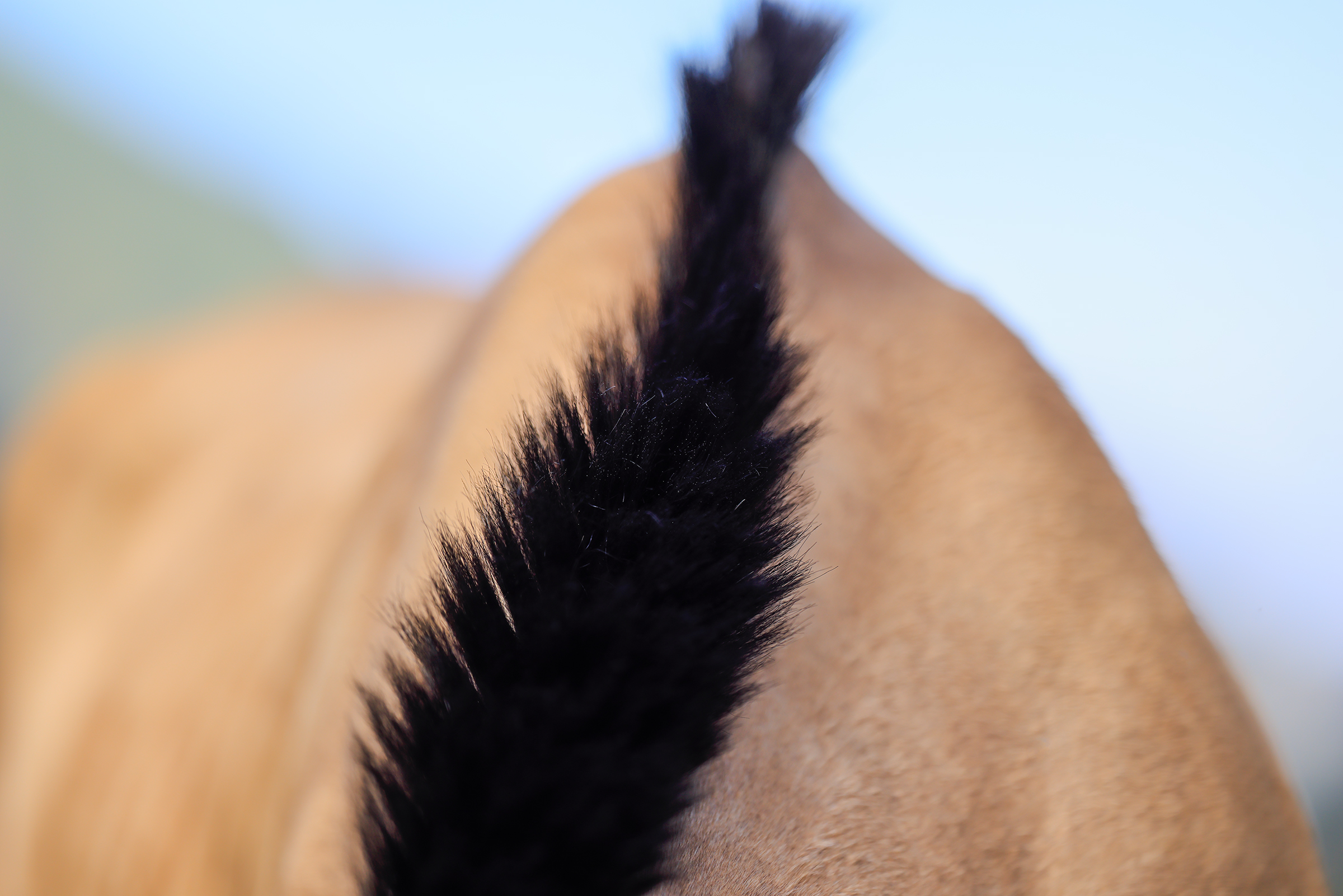
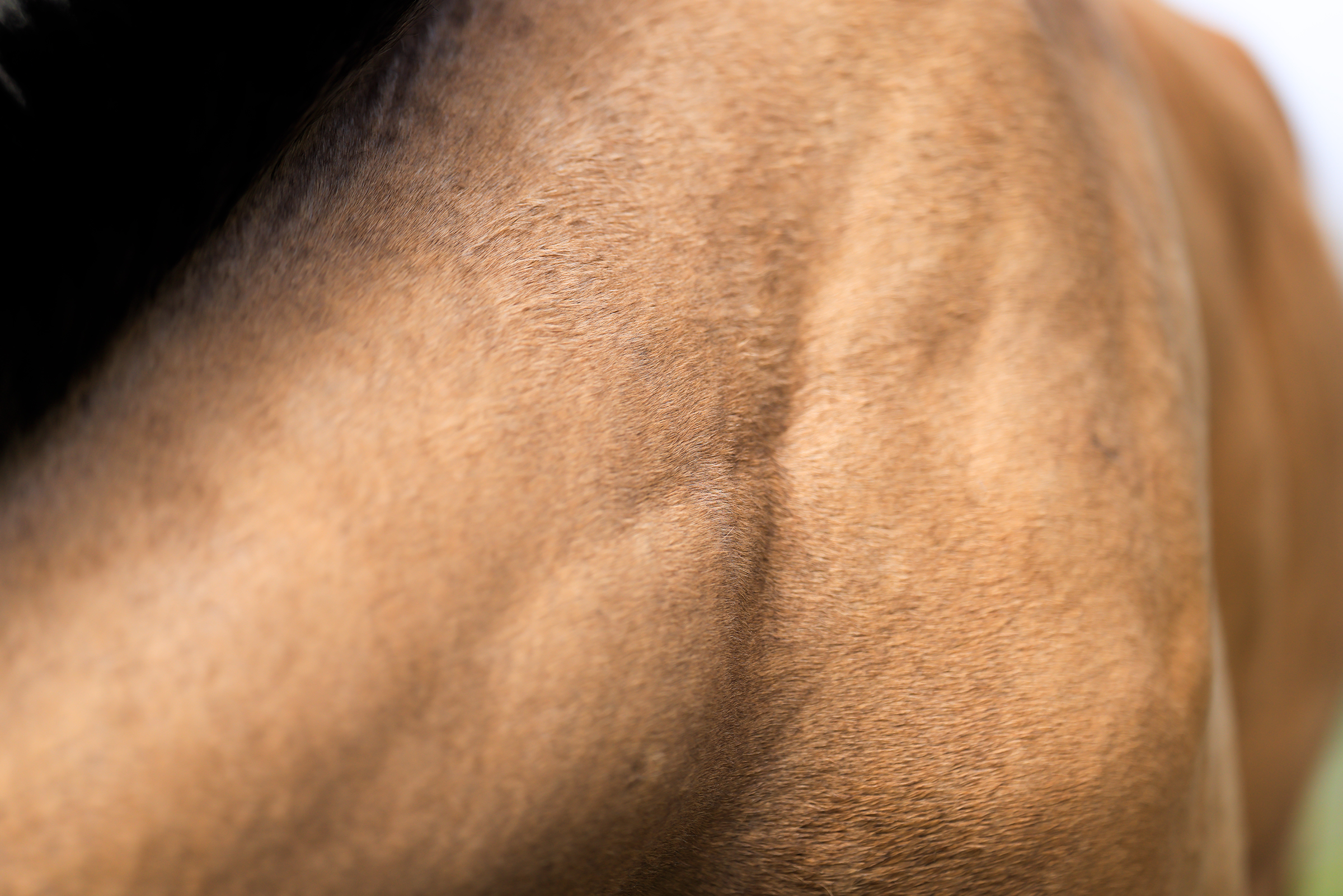
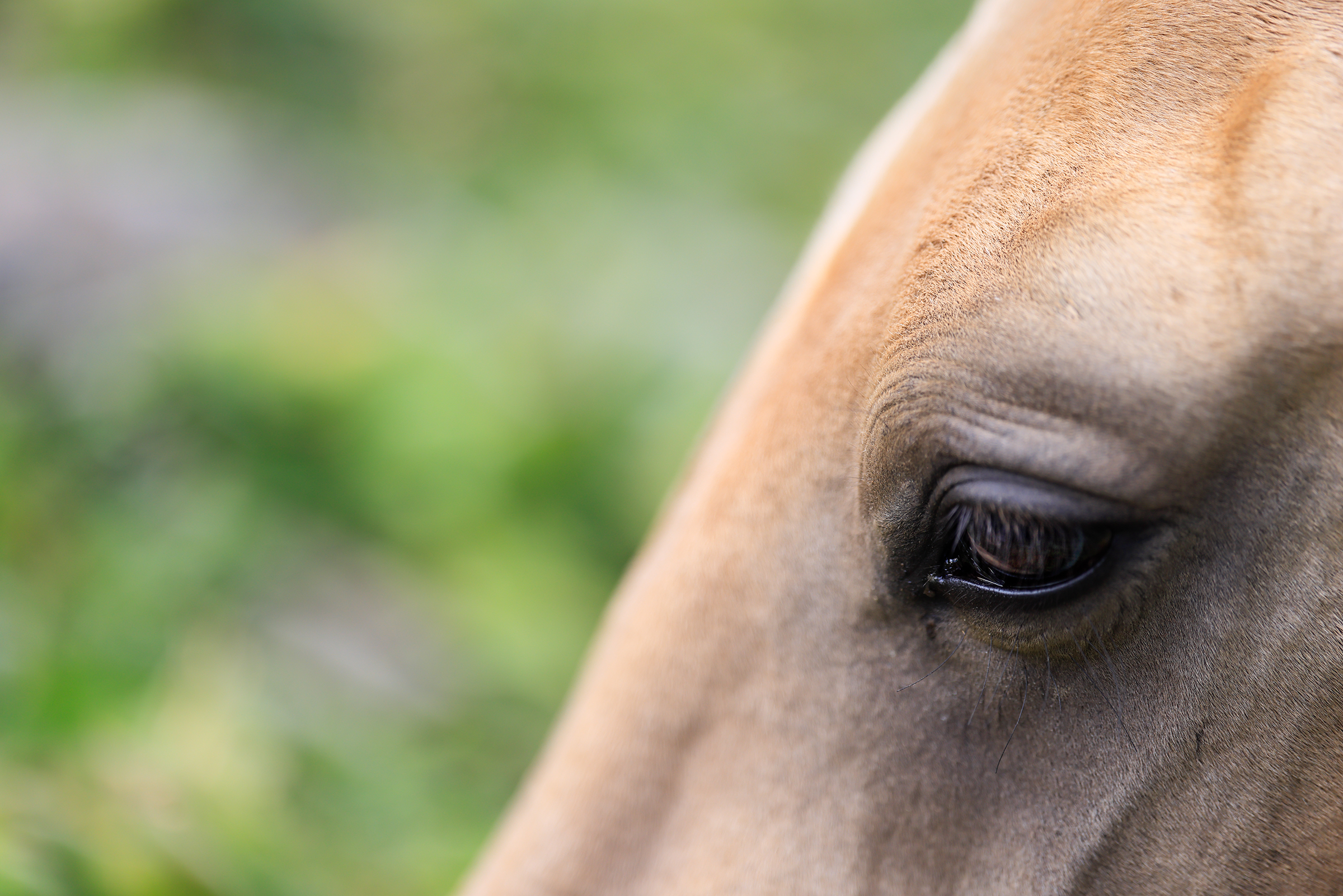

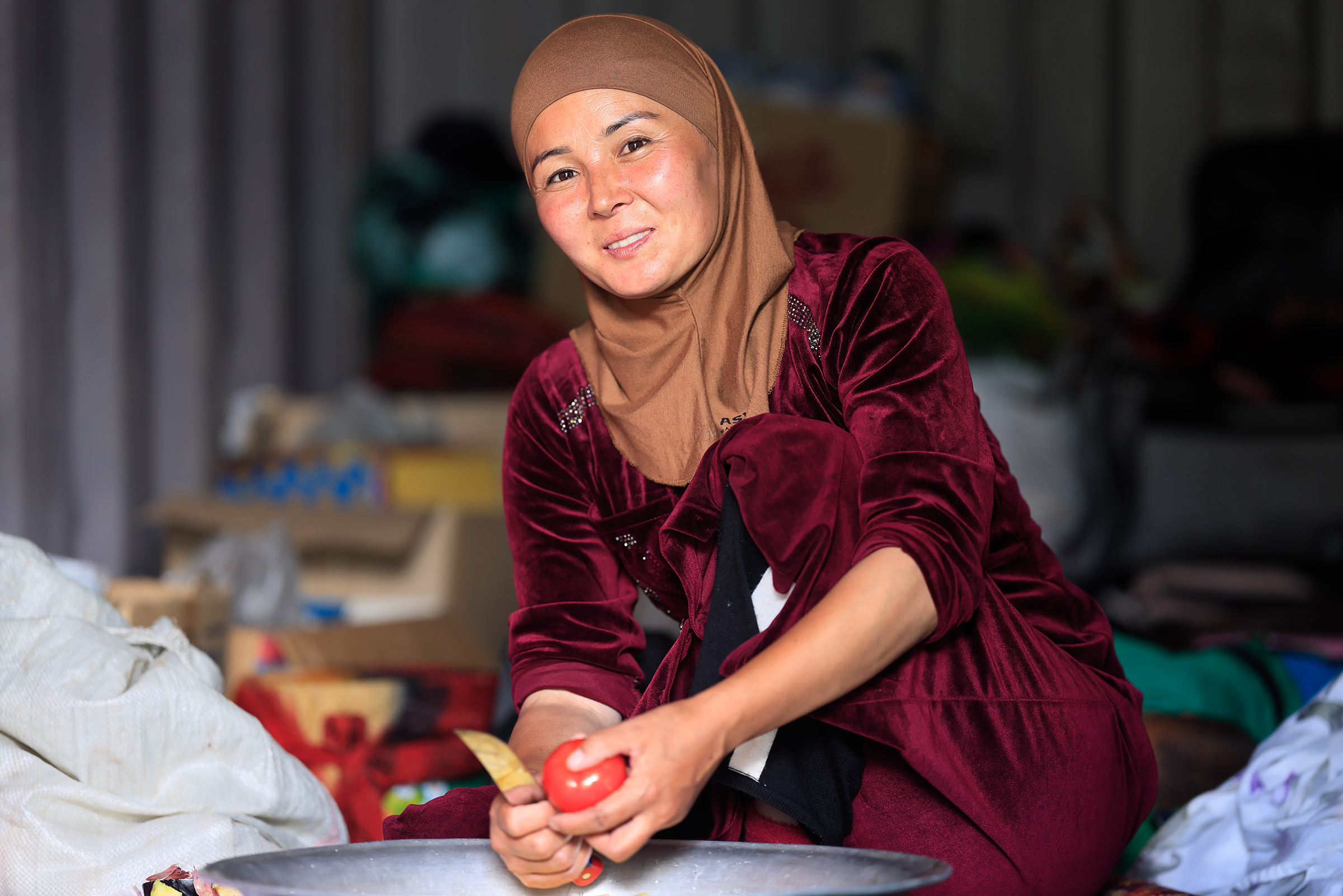
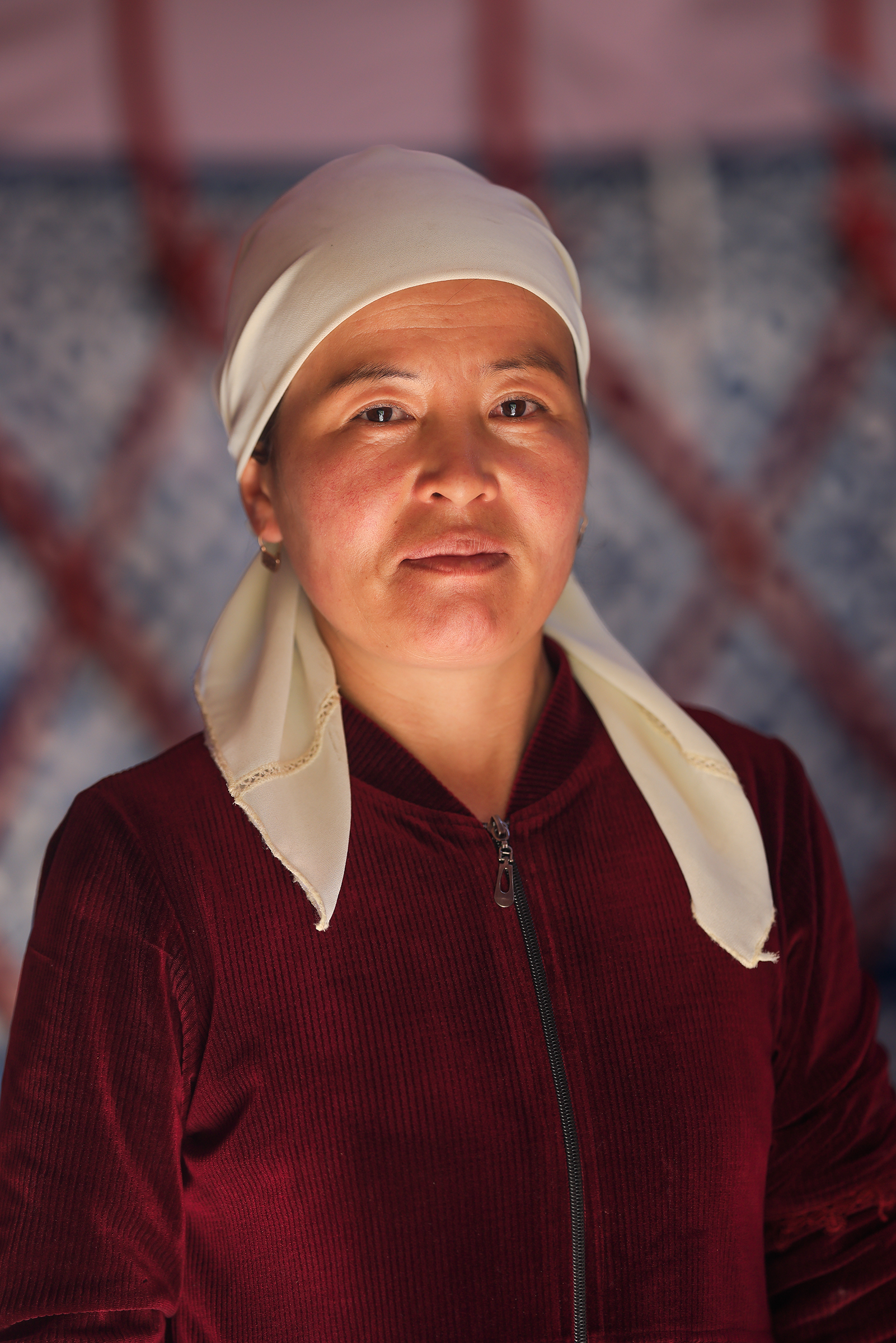
As you’ve probably noticed by now, my photos only show women working. Throughout our trip across Central Asia — Uzbekistan, Tajikistan, Kyrgyzstan — the only people we ever saw working were women. On this trek, we sometimes spotted them hauling food up the mountain on donkeys. What the men were up to remains one of the region’s great unsolved mysteries.
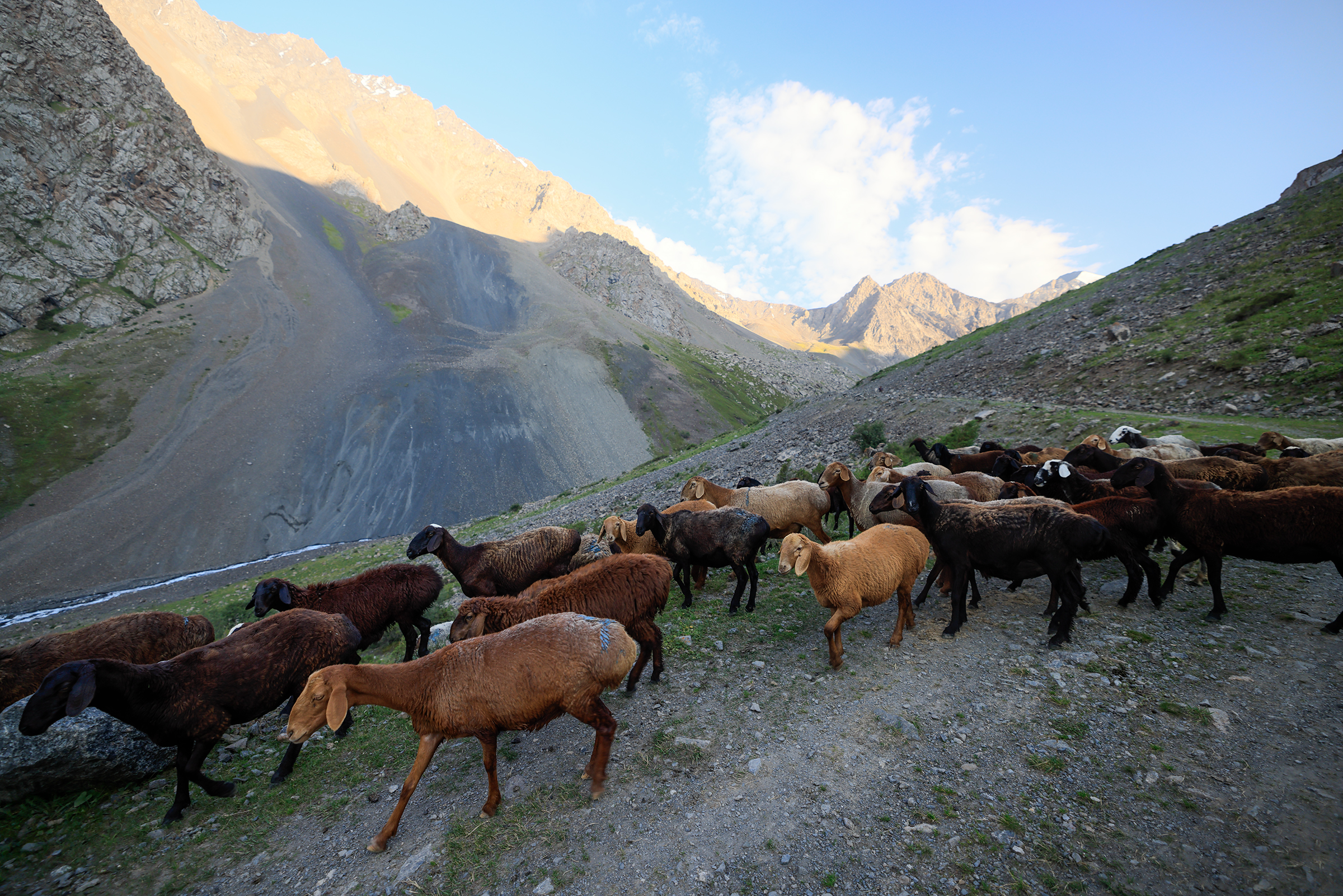
In Kyrgyzstan, cattle can be the path to financial independence for poor families. Our guide explained that a baby cow costs about $320 (27,000 Kyrgyz som), and within three years, it can be worth $1,000 (80,000 som). At the time, I had just read about an 11-year study in Bangladesh where cows were given to 6,000 extremely poor households. The experiment helped those families transition to better occupations and escape poverty. As of mid-2024, it was the only example of a universal basic income program that had been unambiguously successful.
It inspired Ricardo and me, and we decided to give Echin a loan so he could buy his first few cows. We were keen to adopt yaks, but unfortunately they’re harder to manage — they insist on living at higher altitudes, which is very on-brand for yaks.
The good news: we regularly receive photos of the cutest cows.
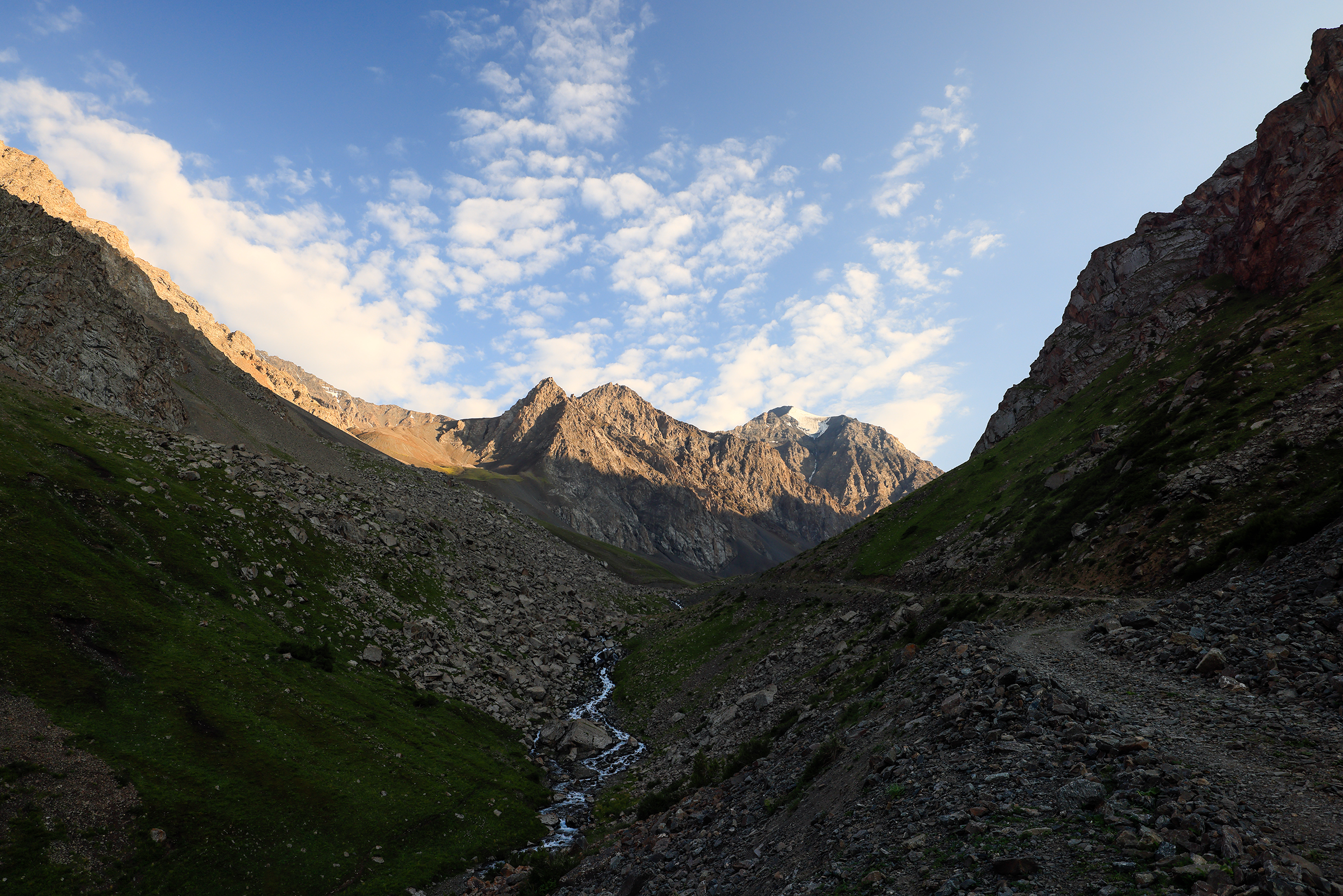
Day 4: Jiptik Yurt Camp to Sary Mogul via the Jiptik Pass
On our last day, the landscapes circled back to day 1 — dark loose rock, steeper ascents, and that familiar feeling of your lungs politely requesting a break — as we climbed toward the Jiptik Pass (4,185m).
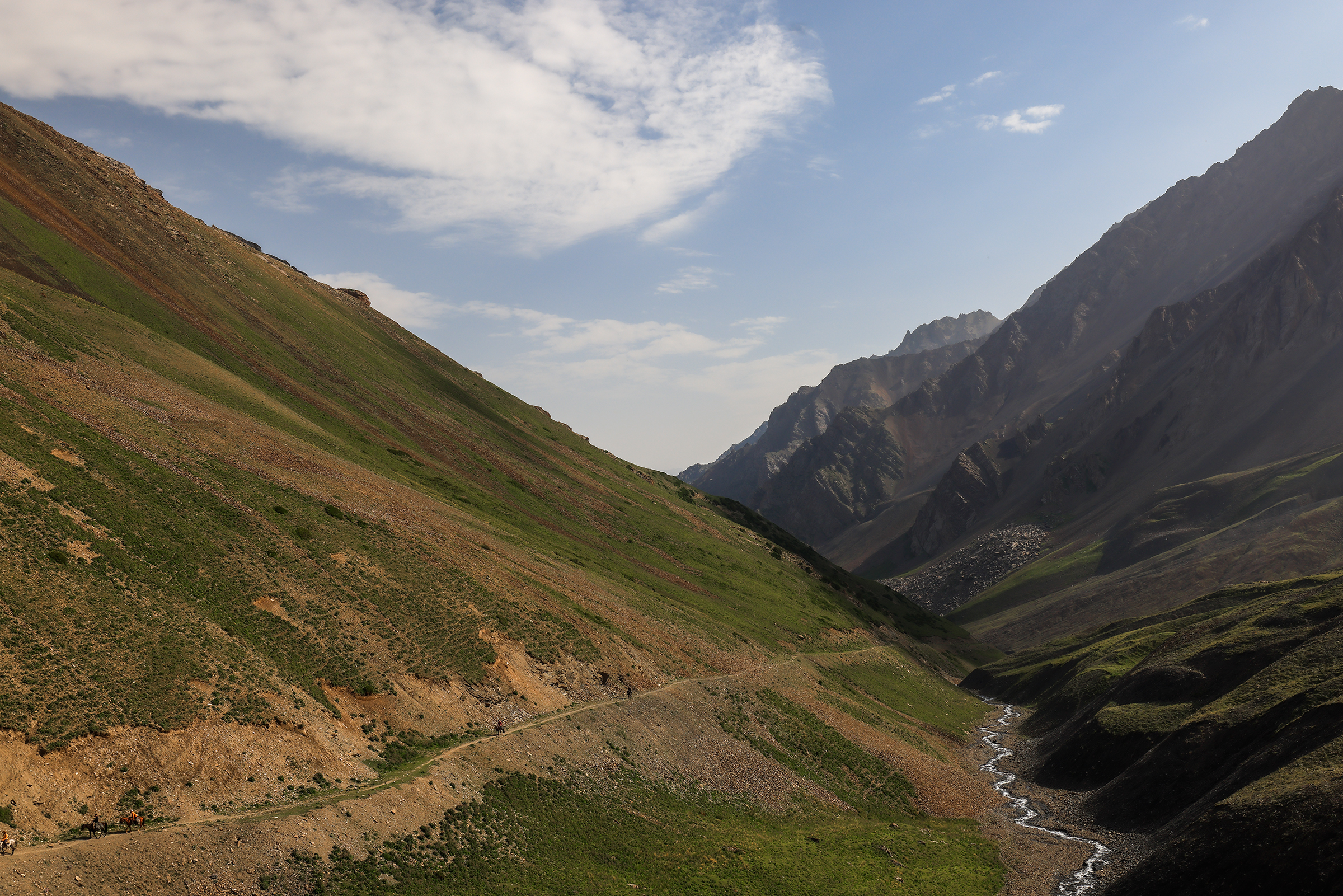
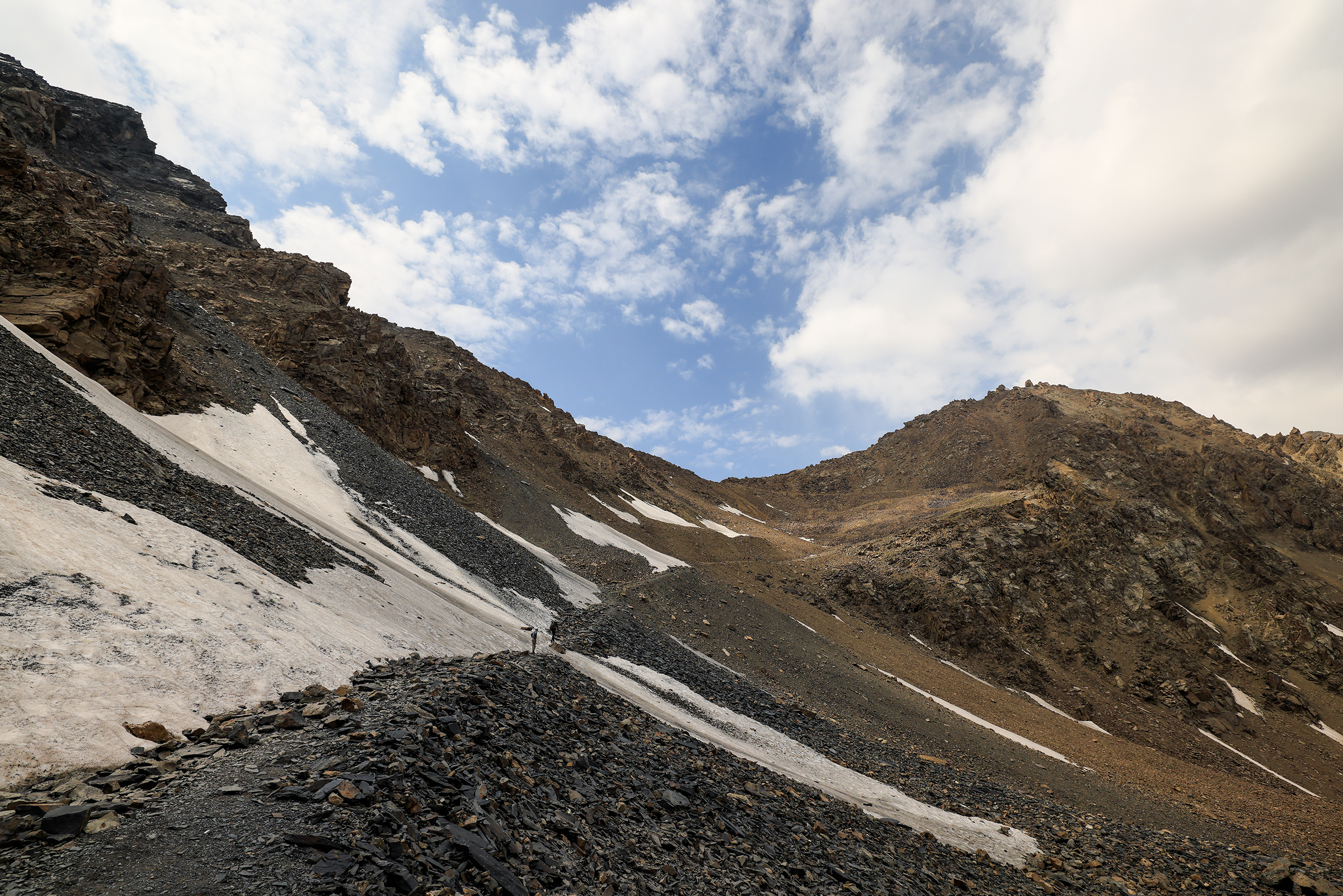
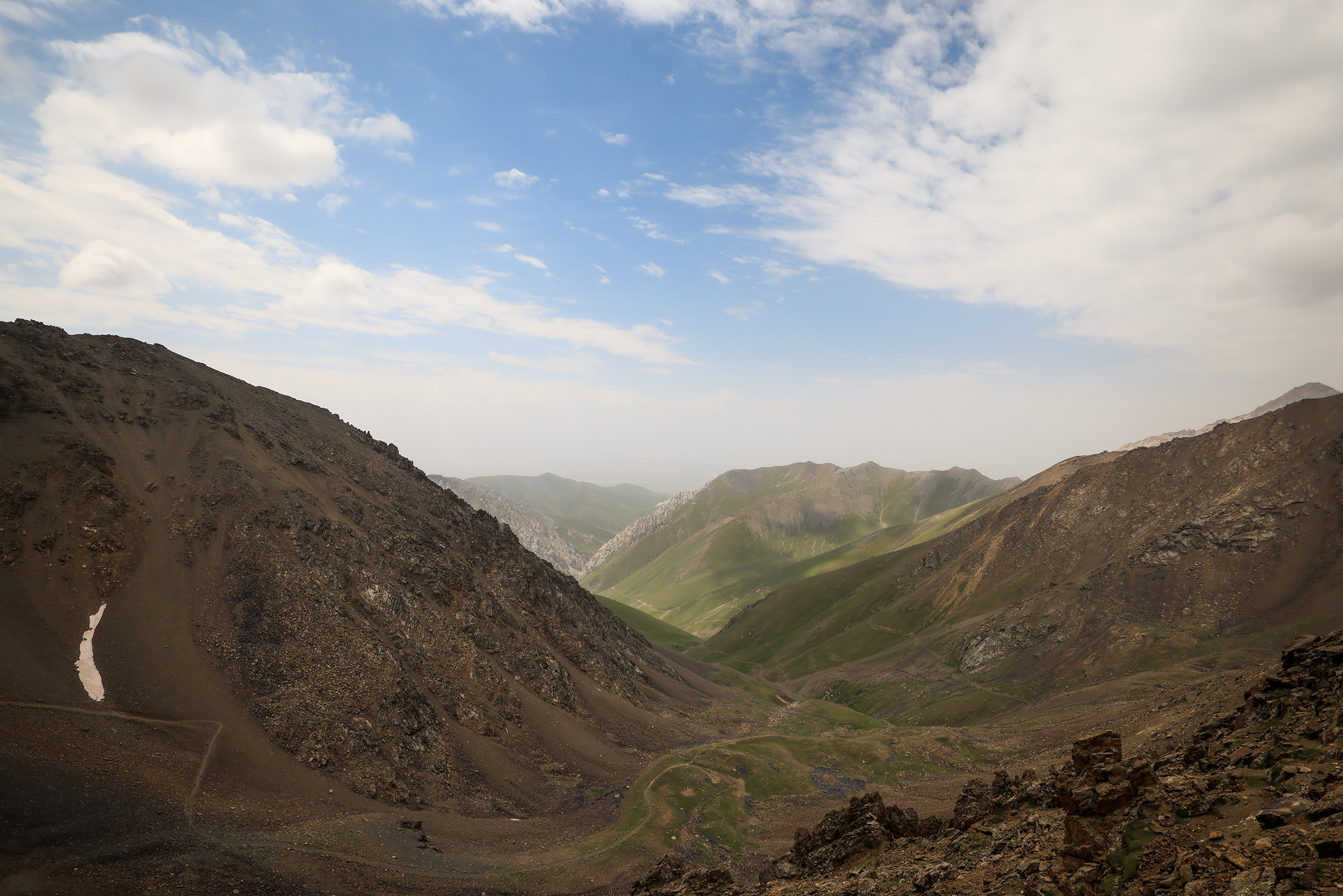

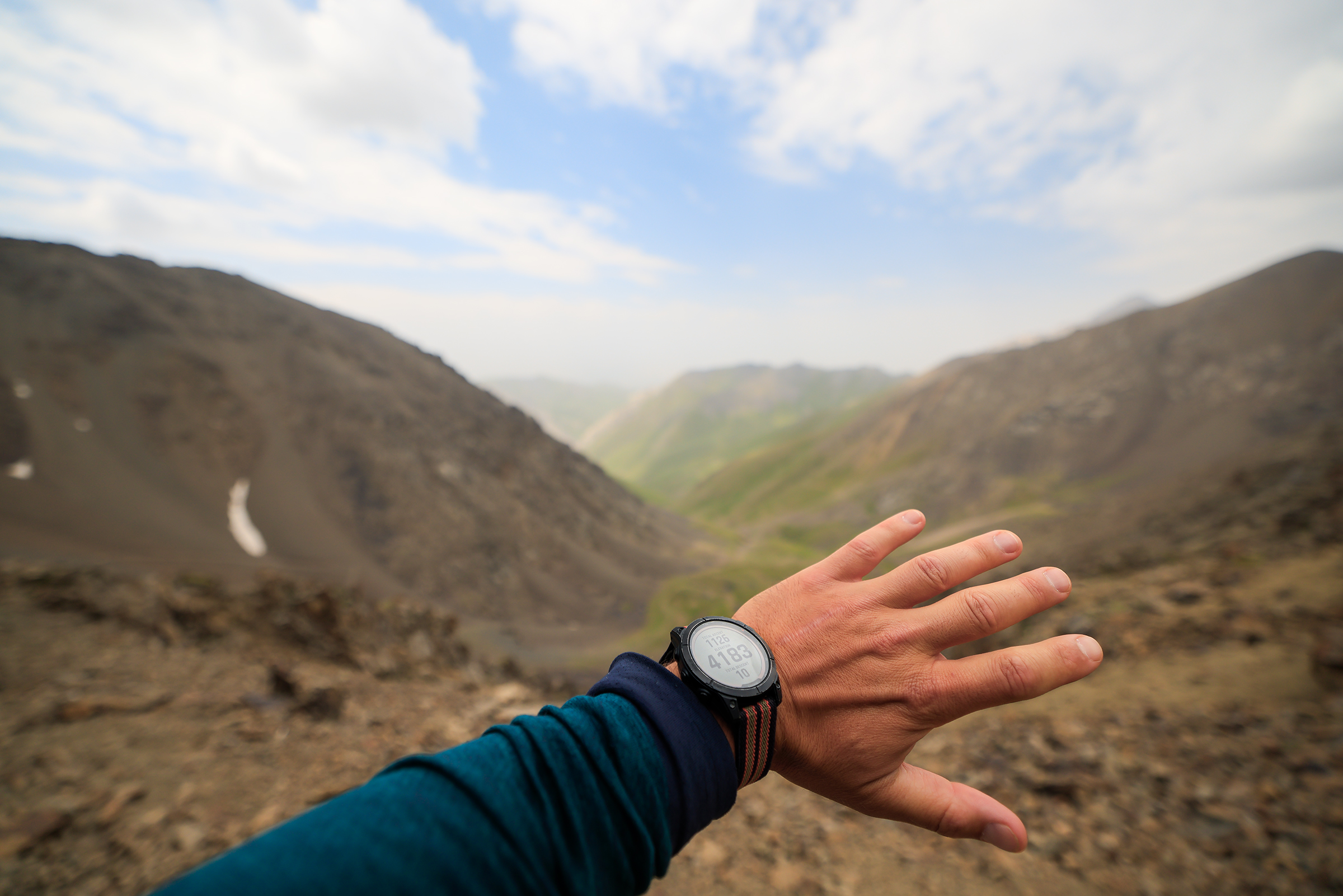
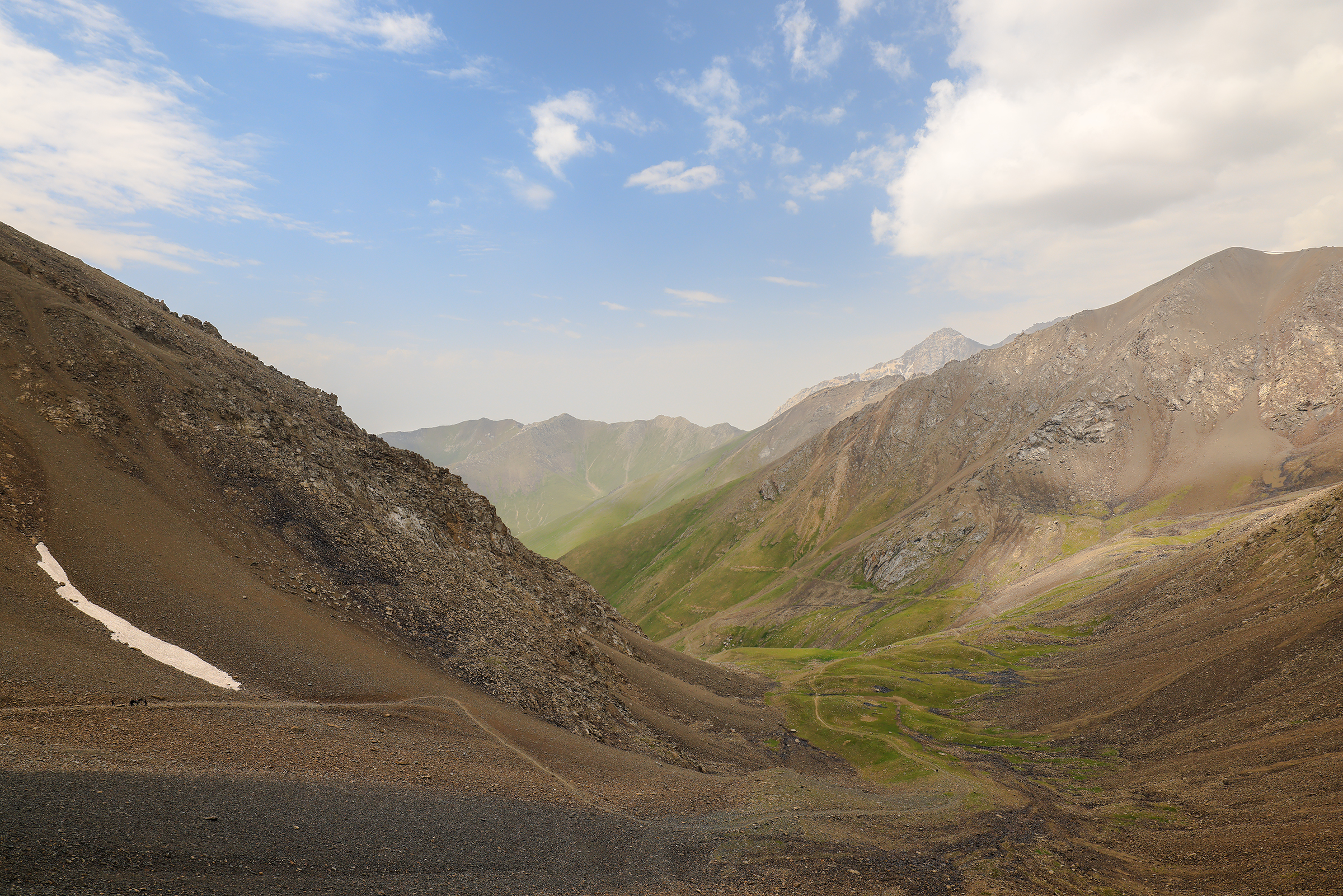
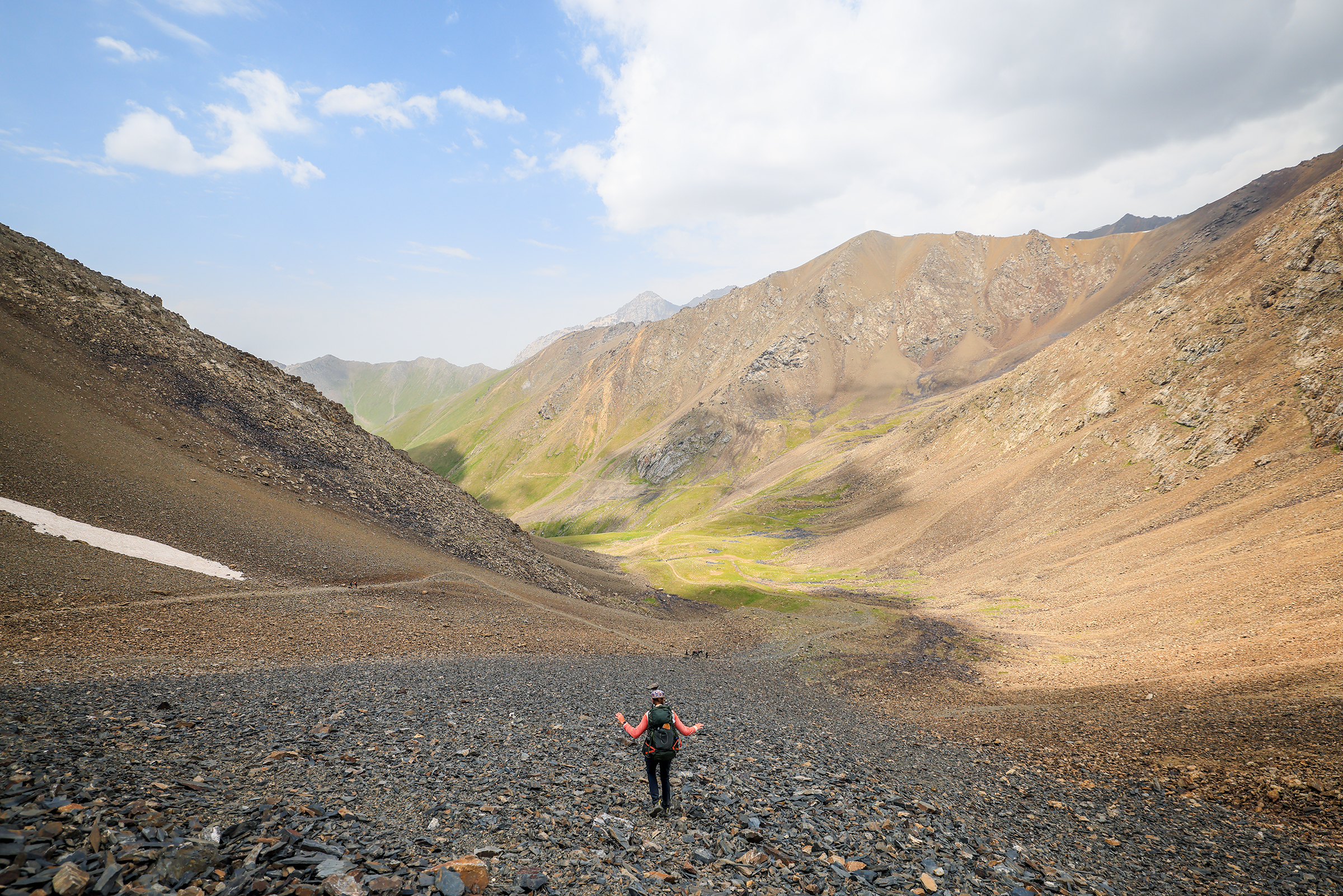

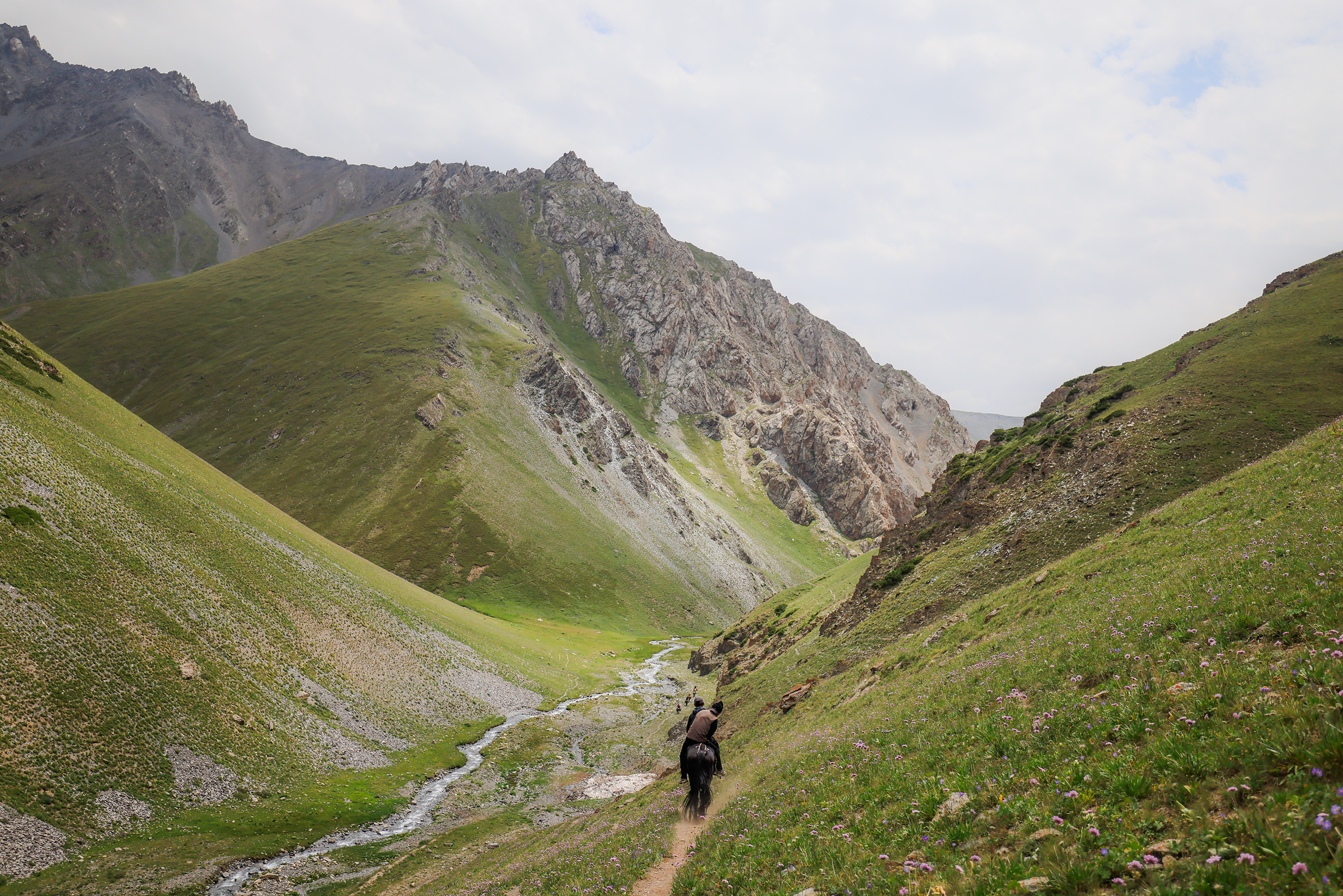
And that’s it! If you’d like to do this trek yourself, here’s the track on Komoot. The folks at Visit Alay can also provide you with a guide.
Until next time! 👋
