Travels don’t always go to plan. After a missed connection in Istanbul, my flight was automatically rebooked for the following day, leaving me with only a few hours to discover one of the most important cities of the Silk Road: Samarkand.
So this is the story of a single day: me setting foot in Central Asia for the first time and wandering through one of its oldest continuously inhabited cities. Thankfully, I had a guide, with exactly 24 hours of accumulated knowledge about Samarkand: my fellow adventurer Ricardo.

After a few hours of light sleep, I was ready for a tour. Our first stop was the Siyob Bazaar (named after Siyob River), a large, mostly outdoor market, where you can buy groceries, flowers, clothes and some home furniture. It’s a vibrant place full of colors.
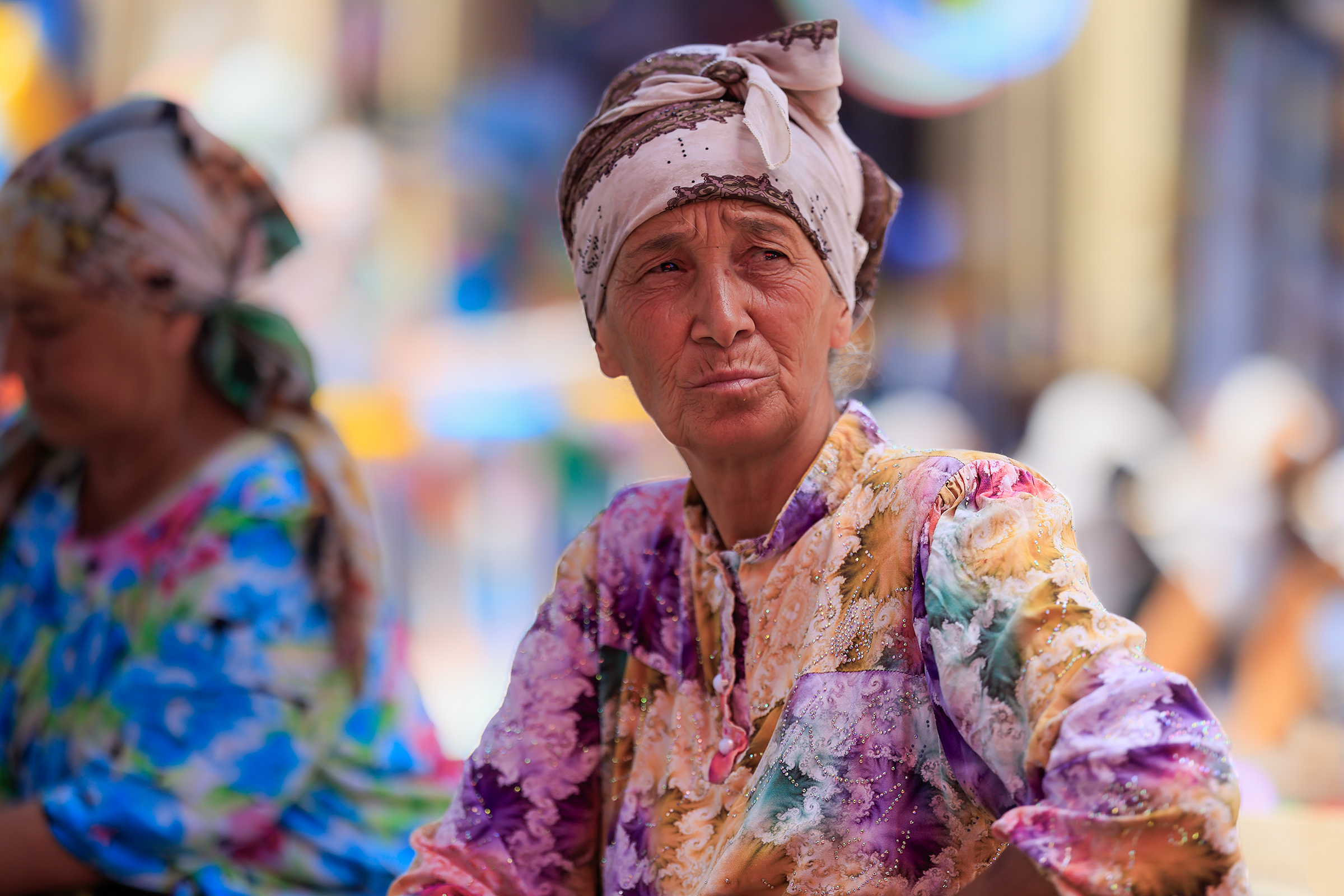
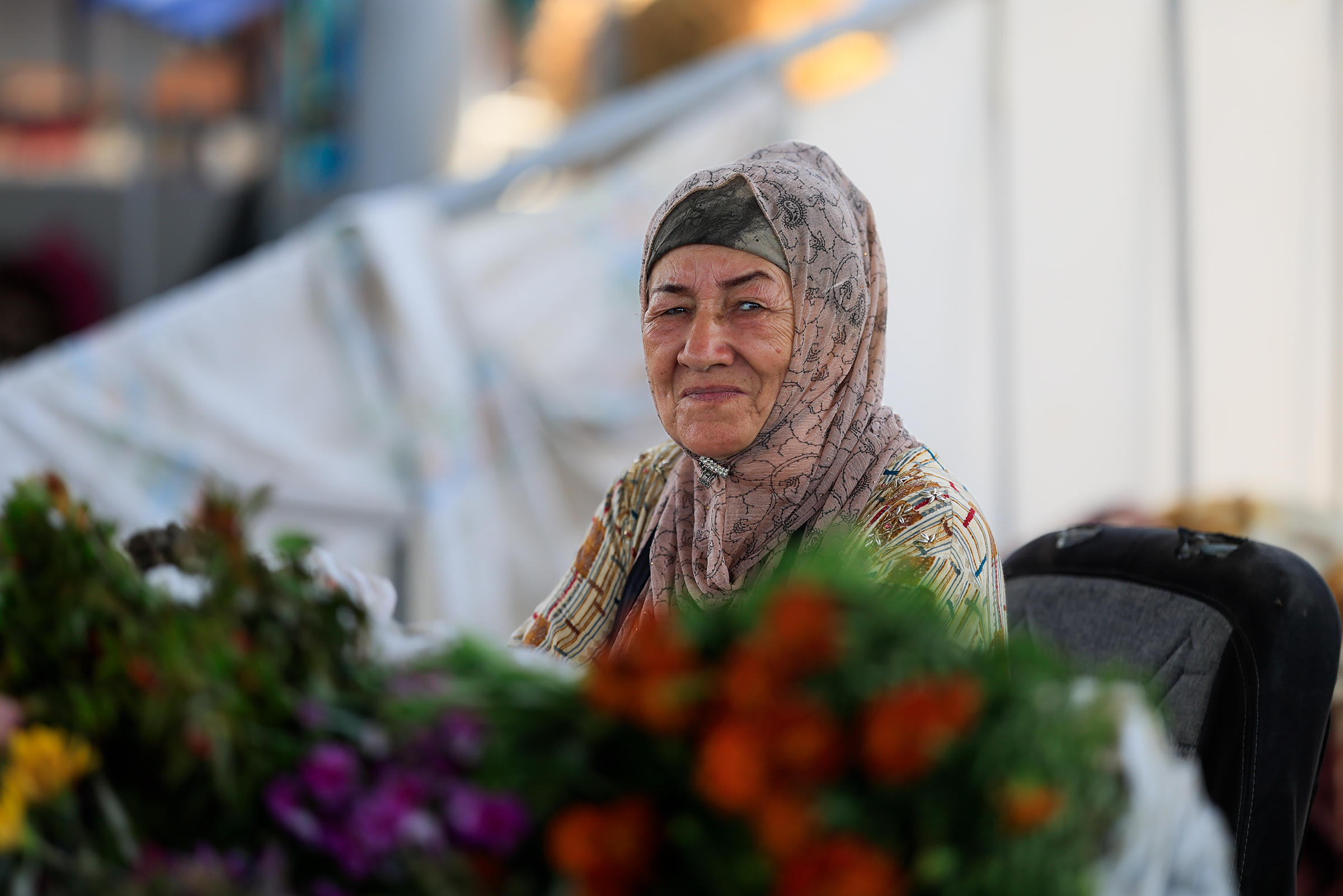


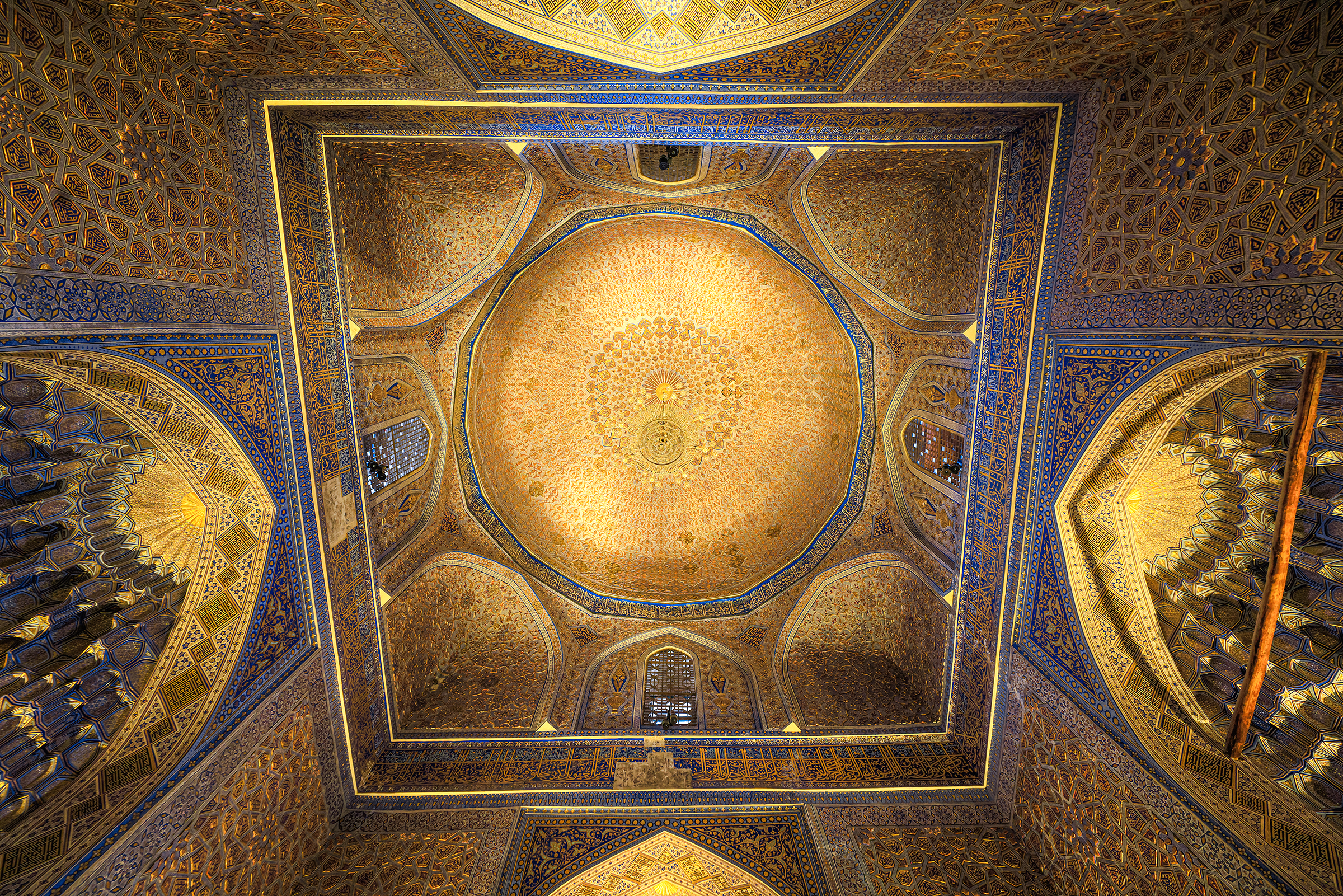
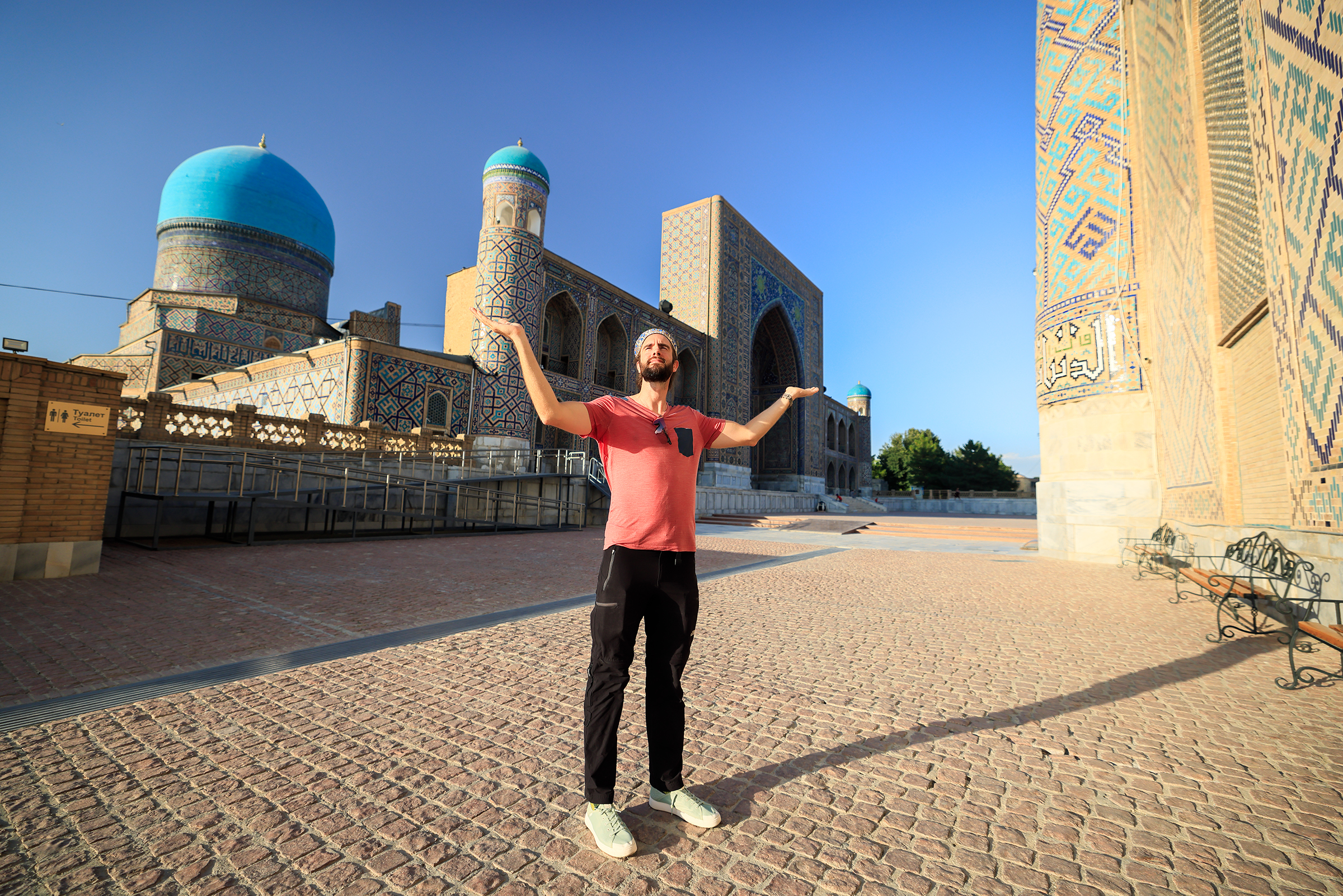
We then headed to the famous Madrassas and Mausoleums, Shah-i-Zinda being the one that most impressed me. The ceilings were incredible.


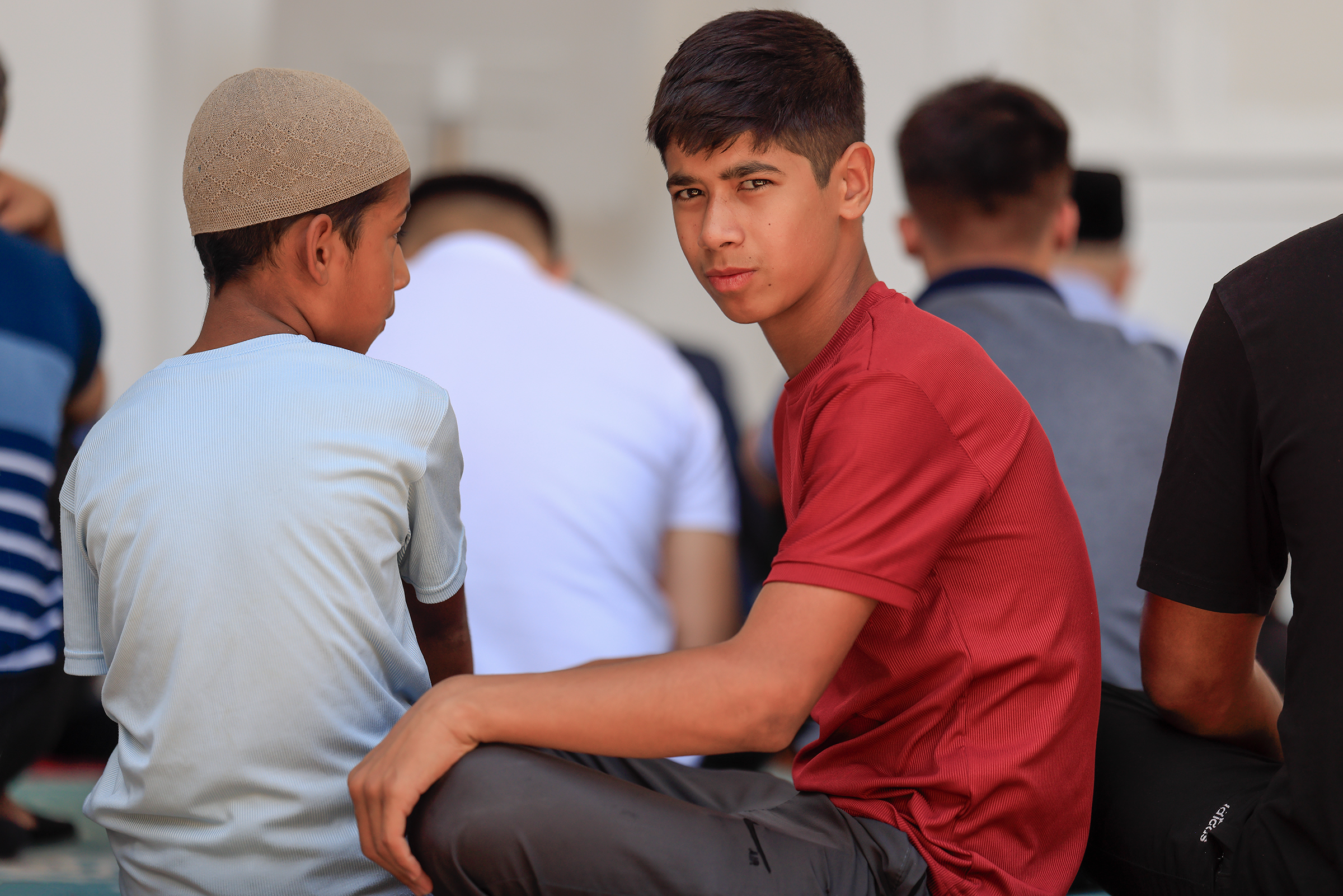
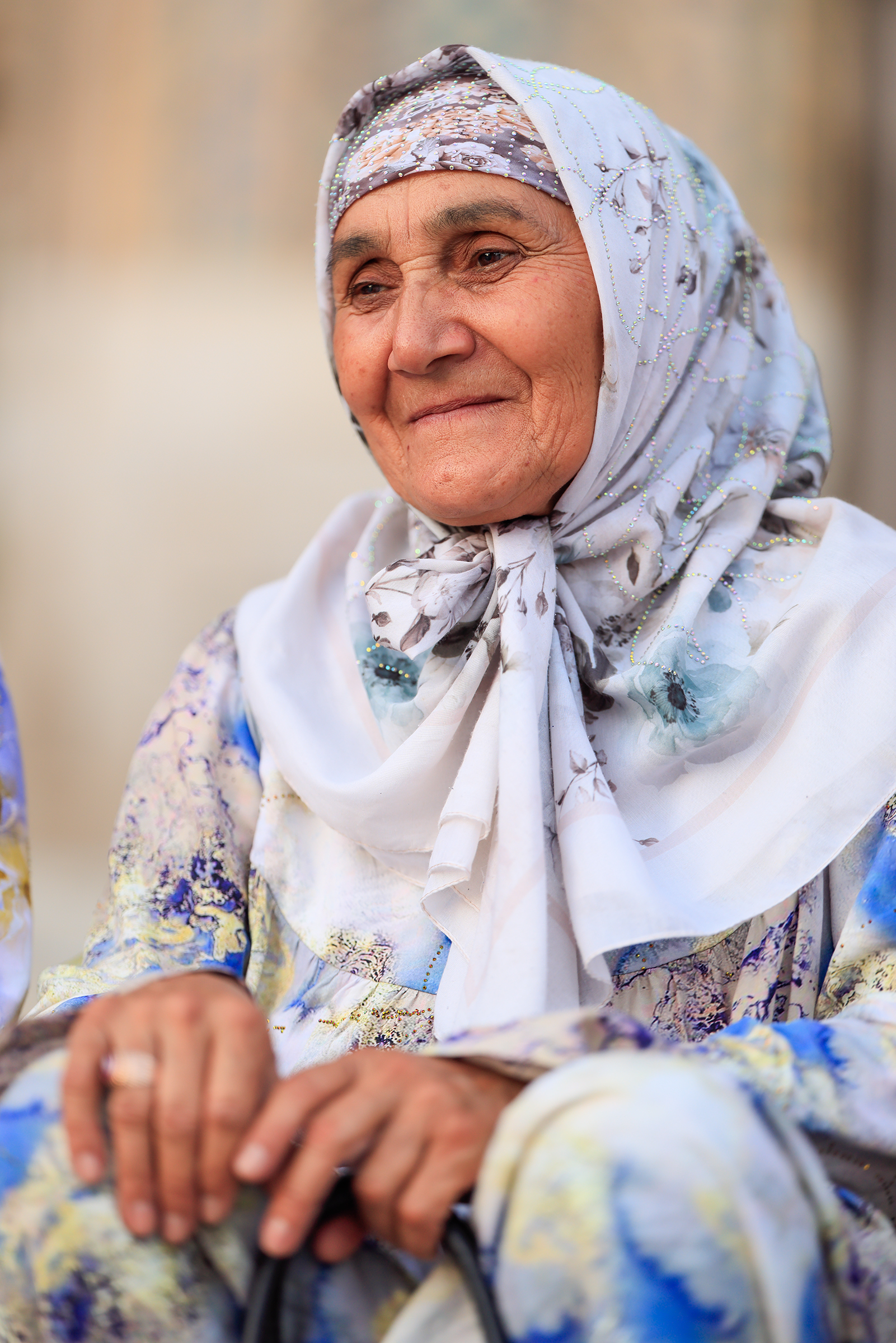
As you see these faces, you’re probably as confused as I was: some people were Eastern European-looking, with fair skin and blue eyes, while others looked Arab, and others Asian. What does an Uzbek look like then? Well, all of the above! Here’s a little history of the region (thanks, Wikipedia).
The first people known to have inhabited Central Asia were Scythians, initially nomads they built an extensive irrigation system along the rivers when they settled.
- By the fifth century BC, the Bactrian, Sogdian, and Tokharian states dominated the region.
- As East Asia began to develop its silk trade with the West, the Sogdian intermediaries became the wealthiest of these merchants.
- In 327 BC, Macedonian ruler Alexander the Great conquered the Persian Empire provinces of Sogdiana and Bactria.
- The Muslim conquests from the seventh century onward saw the Arabs bring Islam to Uzbekistan.
- Then came the Mongol conquests under Genghis Khan during the 13th century.
- In the early 14th century, the Persian empire began to break up and Timur, despite not being a descendant of Genghis Khan, became the de facto ruler of Transoxiana (other name for Uzbekistan) and proceeded to conquer all of western Central Asia, Iran, the Caucasus, Mesopotamia, Asia Minor, and the southern steppe region north of the Aral Sea.
- Timur initiated the last flowering of Transoxiana by gathering together numerous artisans and scholars from the vast lands he had conquered into his capital, Samarkand, thus imbuing his empire with a rich Perso-Islamic culture. During his reign and the reigns of his immediate descendants, a wide range of religious and palatial construction masterpieces were undertaken in Samarkand and other population centers.
- In the 19th century, the Russian Empire began to expand and spread into Central Asia. There were 210,306 Russians living in Uzbekistan in 1912.

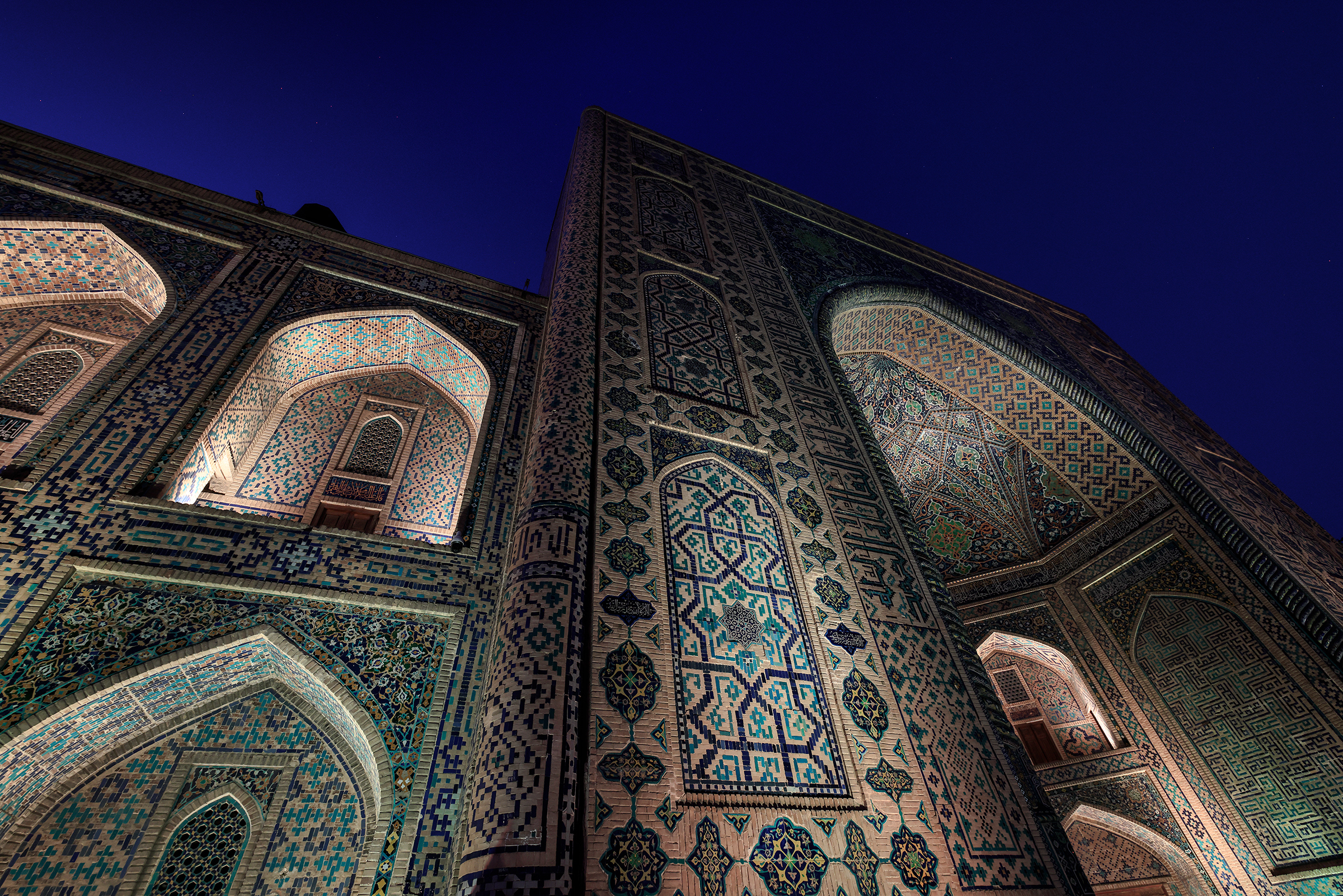
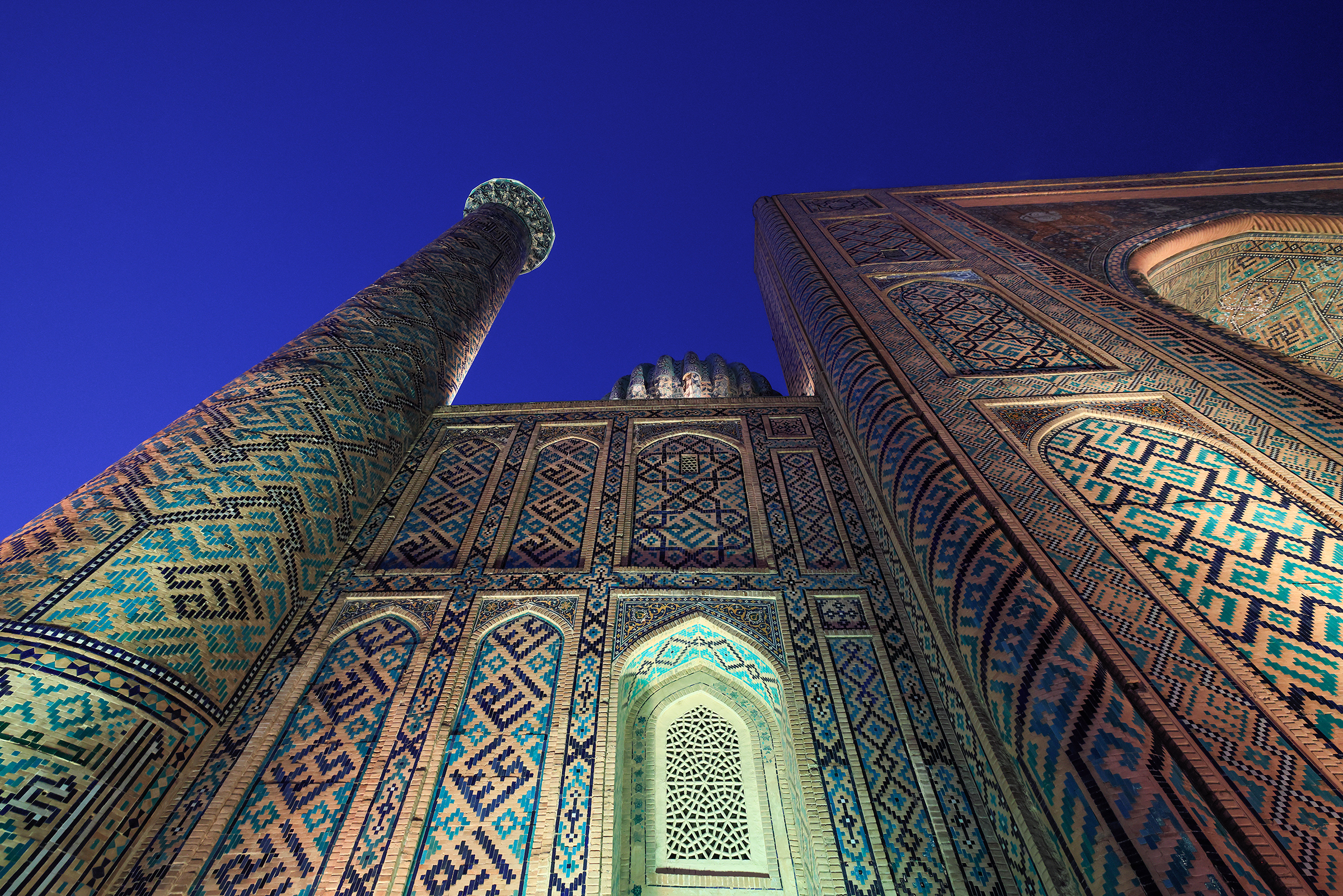
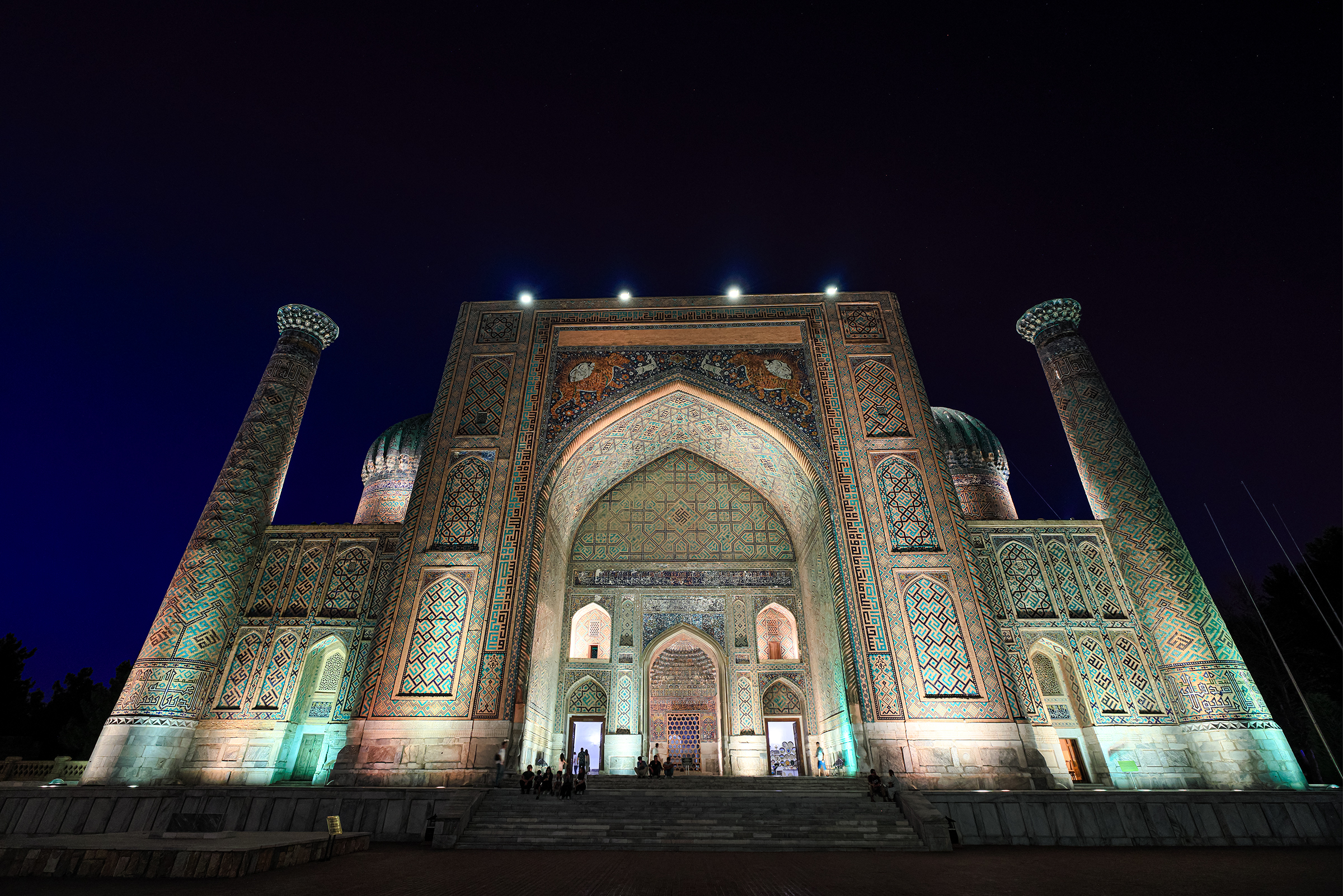
We had kept the most important part of the city, the Registan, for when it should shine the most — during blue hour.
The Registan was the heart of the city of Samarkand of the Timurid Empire, now in Uzbekistan. The name Rēgistan (ریگستان) means “desert” in Persian.
The Registan was a public square, where people gathered to hear royal proclamations, heralded by blasts on enormous copper pipes called dzharchis — and a place of public executions. It is framed by three madrasahs (Islamic schools) of distinctive Persian architecture. The square was regarded as the hub of the Timurid Renaissance. (Wikipedia)


Traveling to Central Asia initially seemed like a weird idea (or least, for our families), but as the sun went down and the Madrassas became illuminated, everything started to make sense.

I found the aesthetics of the Madrasas to give them a modern look, despite being many centuries-old. In fact, I wouldn’t be surprised if Samarkand had been a source of inspiration for Tatooine in Star Wars. Only Jedi’s and robots were missing here.




And that’s it! In my next post, we’ll be heading to Tajikistan, slowly going up in altitude ⛰️