Before I tell you the story of my 800-km loop in the North of Portugal, I’ve got one burning question: why is it so hard for people to find their carriage and seat on a train?
You guessed it — I’m writing this from the Intercidades train from Porto to Lisbon, itching to retouch the photos you’re about to see.
I moved to Portugal in early 2025, and I had been craving a long adventure on the bike for months. I considered several routes, but chose Ruta Norte as a way to discover some of Portugal’s most iconic landscapes. Here’s the ground I was about to cover:
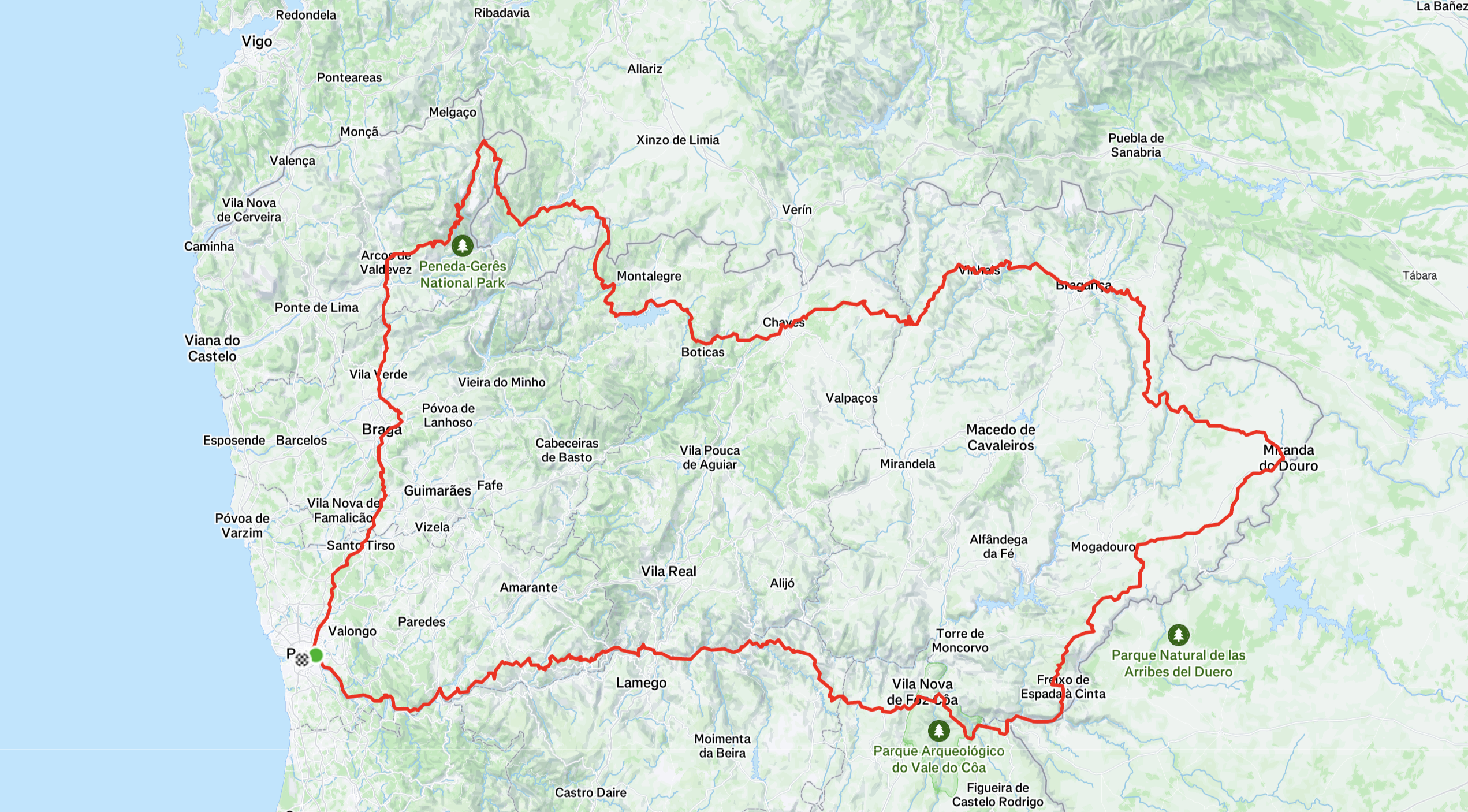
Day 1: Porto to Castro Laboreiro & Parque Nacional da Peneda-Gerês (140 km, 2,800 m climb)
The first section was Gerês — Portugal’s only national park and oldest protected area. The region is mountainous, sparsely populated, and draped in lush forests with rivers running everywhere, and a wild mix of flora and fauna.
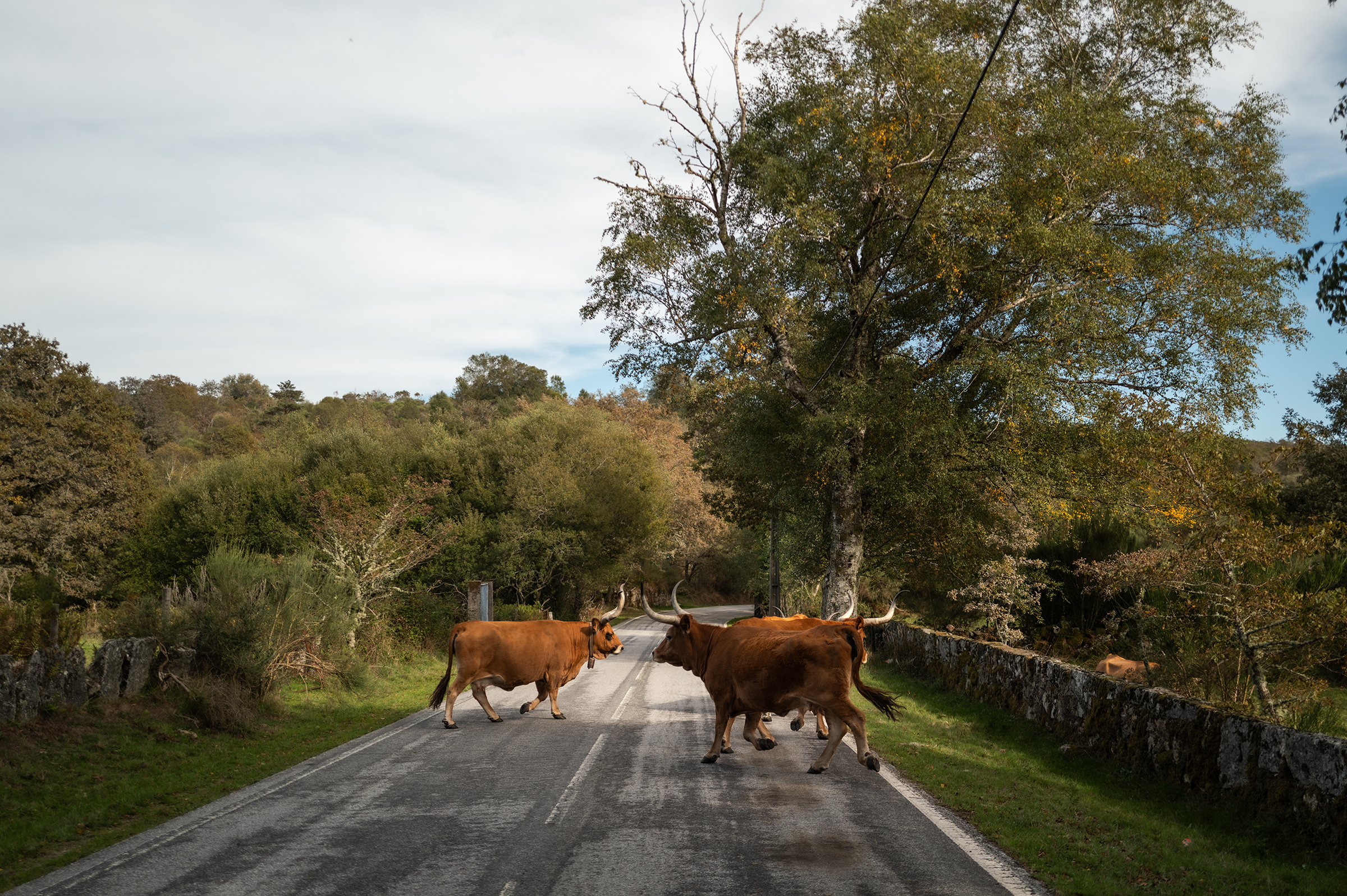
Originally my route through Gerês was shorter, but I added extra miles and even crossed into Spain to feel more of the wild. I stayed overnight in Castro Laboreiro, right by the border. The high altitude meant sweeping views, cows with wide horns (“cachenas”), wild horses, and yes — being chased by shepherd dogs, several times. Classic bikepacking.
I arrived at my hotel, washed my clothes, ate dinner (an omelette, if you’re curious), and then collapsed into bed.



Day 2: Castro Laboreiro to Vinhais & Parque Natural de Montesinho (200 km, 3,500 m)
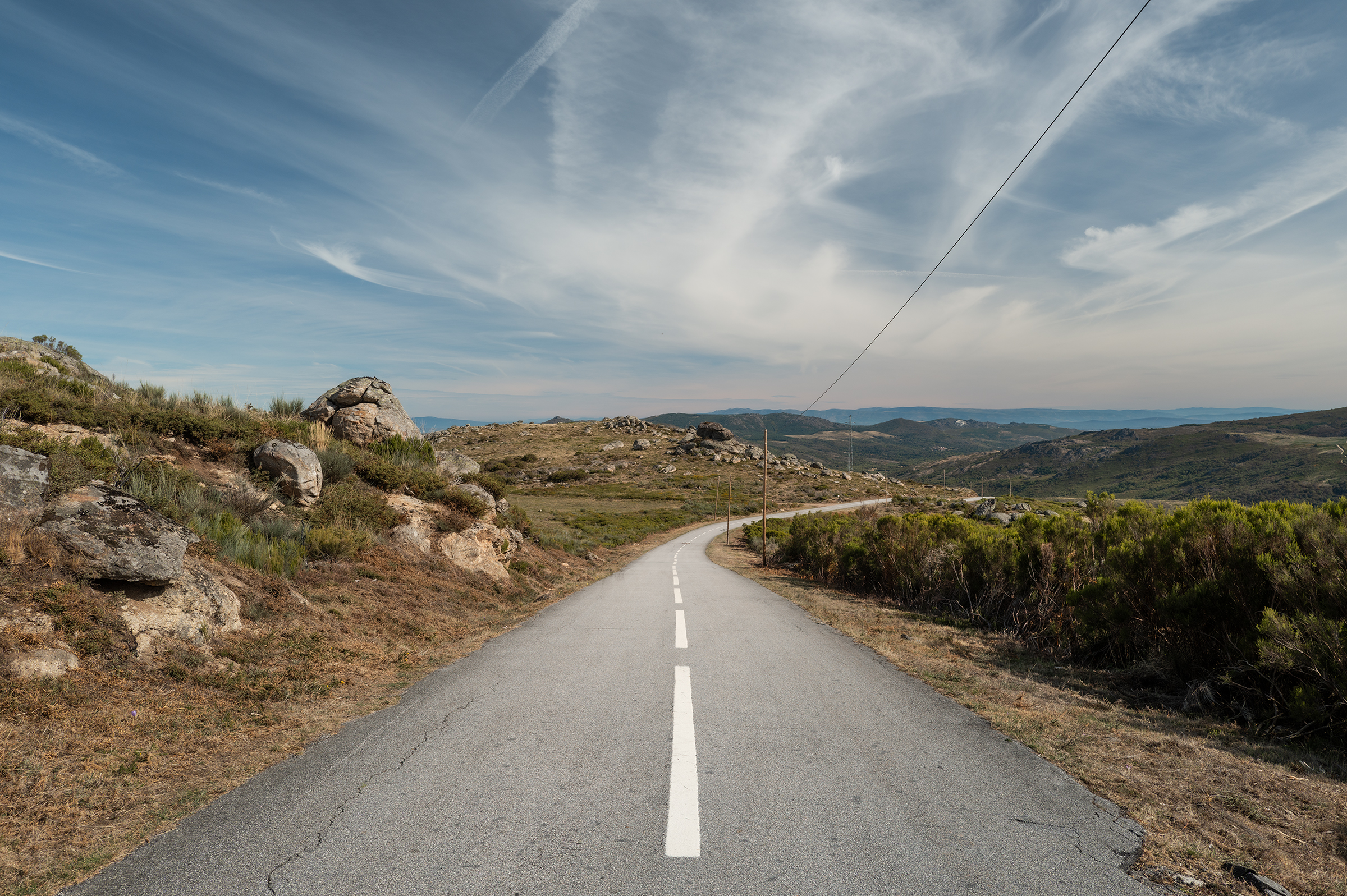
This was a day of climbing from one mountain ridge to the next. I started early, forgetting that in autumn mornings are crisp — my fingers reminded me to always pack a pair of gloves.
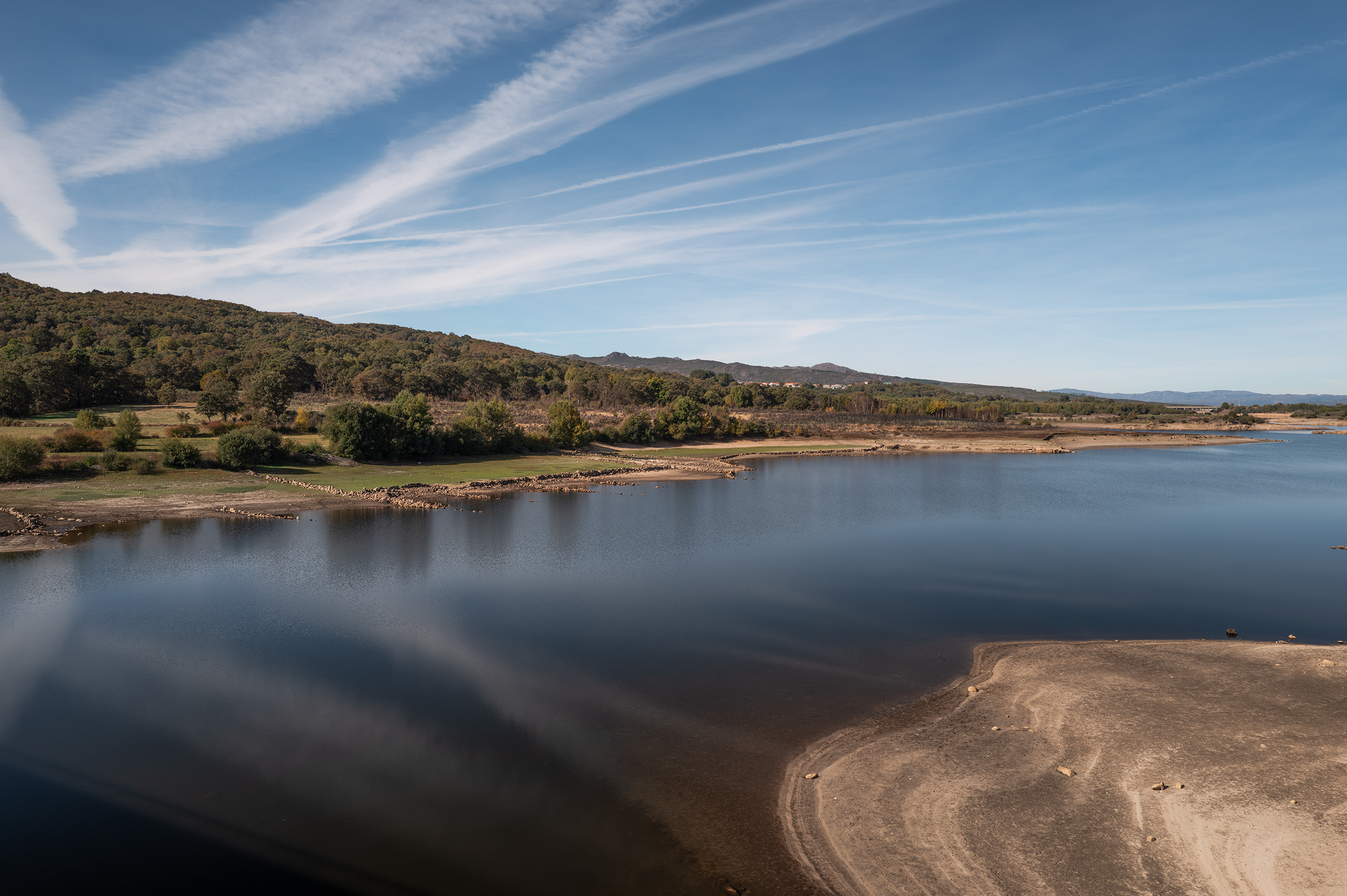
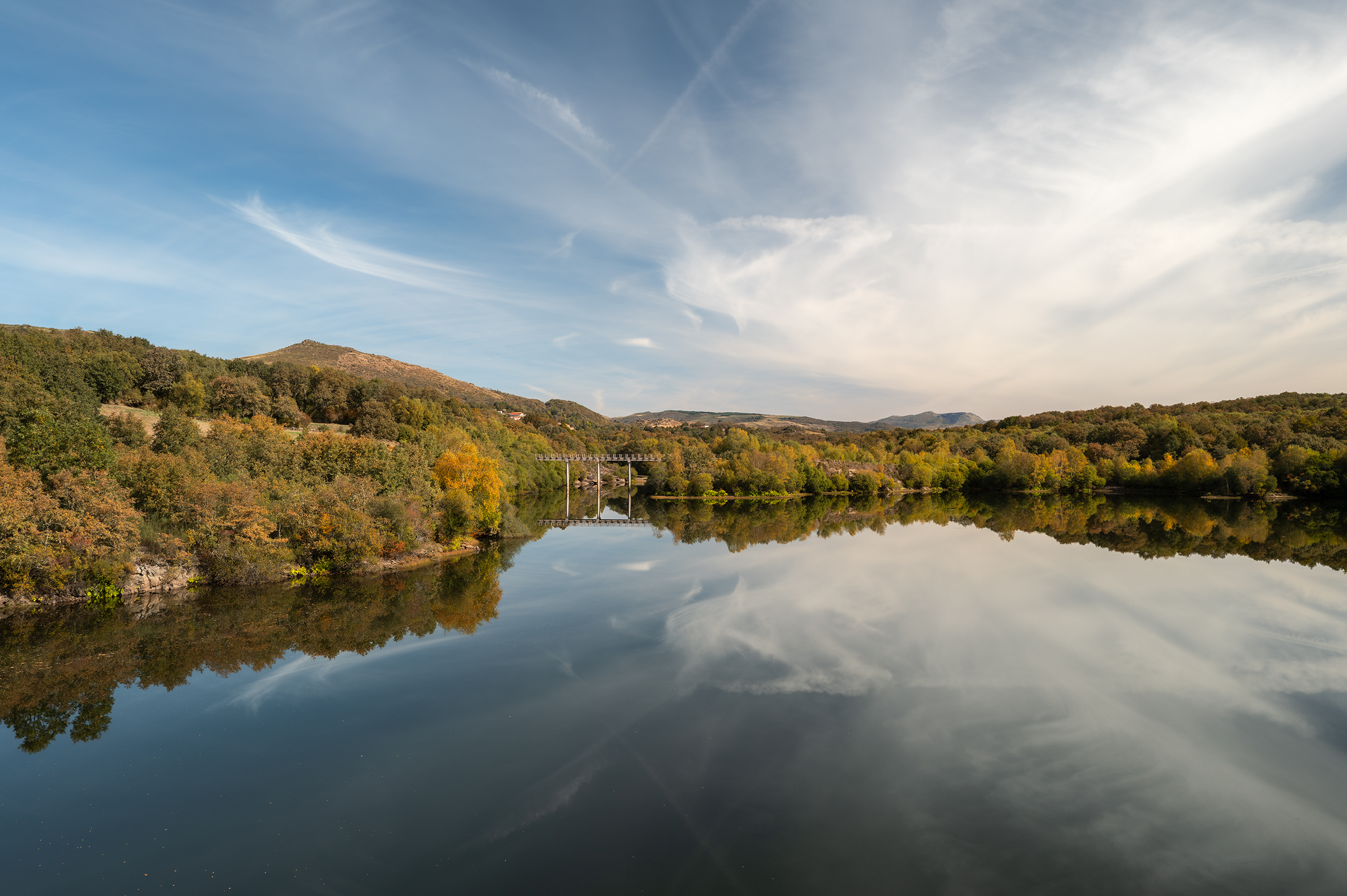
The route included karstic landscapes, rivers, dams — especially the Barragem do Alto Lindoso, on the Lima River, between Lindoso and Soajo, within Peneda-Gerês. That dam is one of the most powerful hydroelectric producers in Portugal.

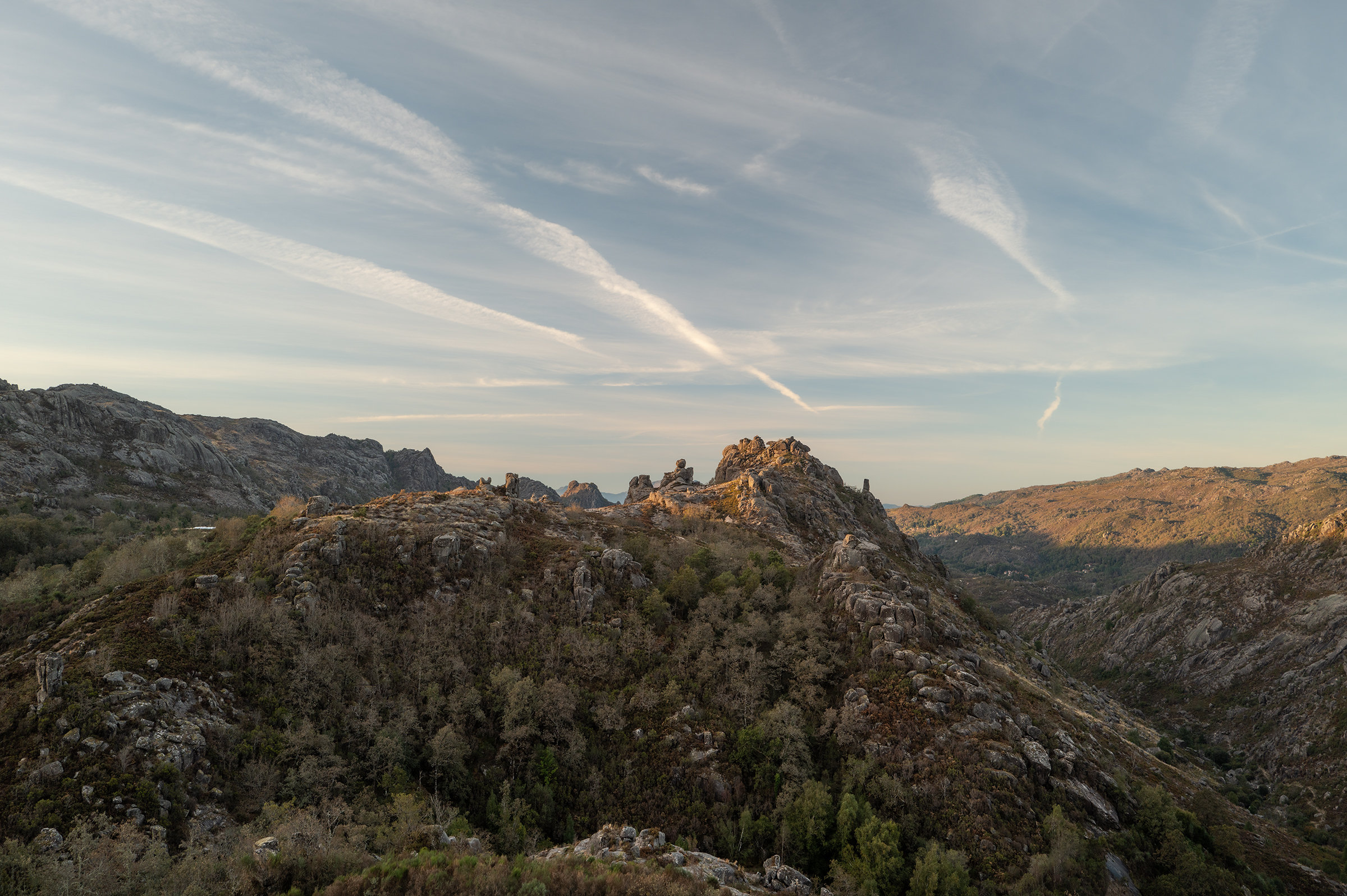


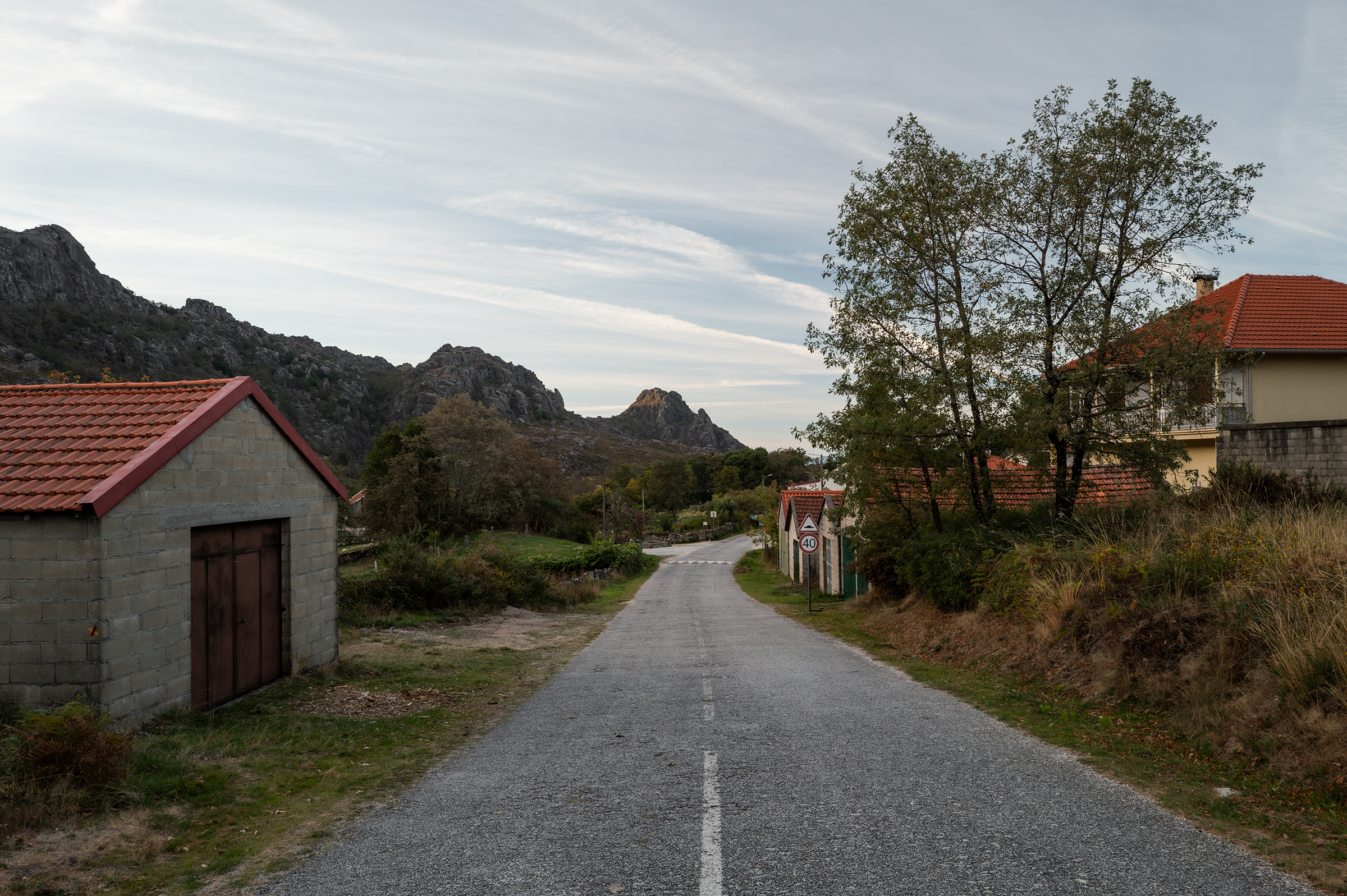
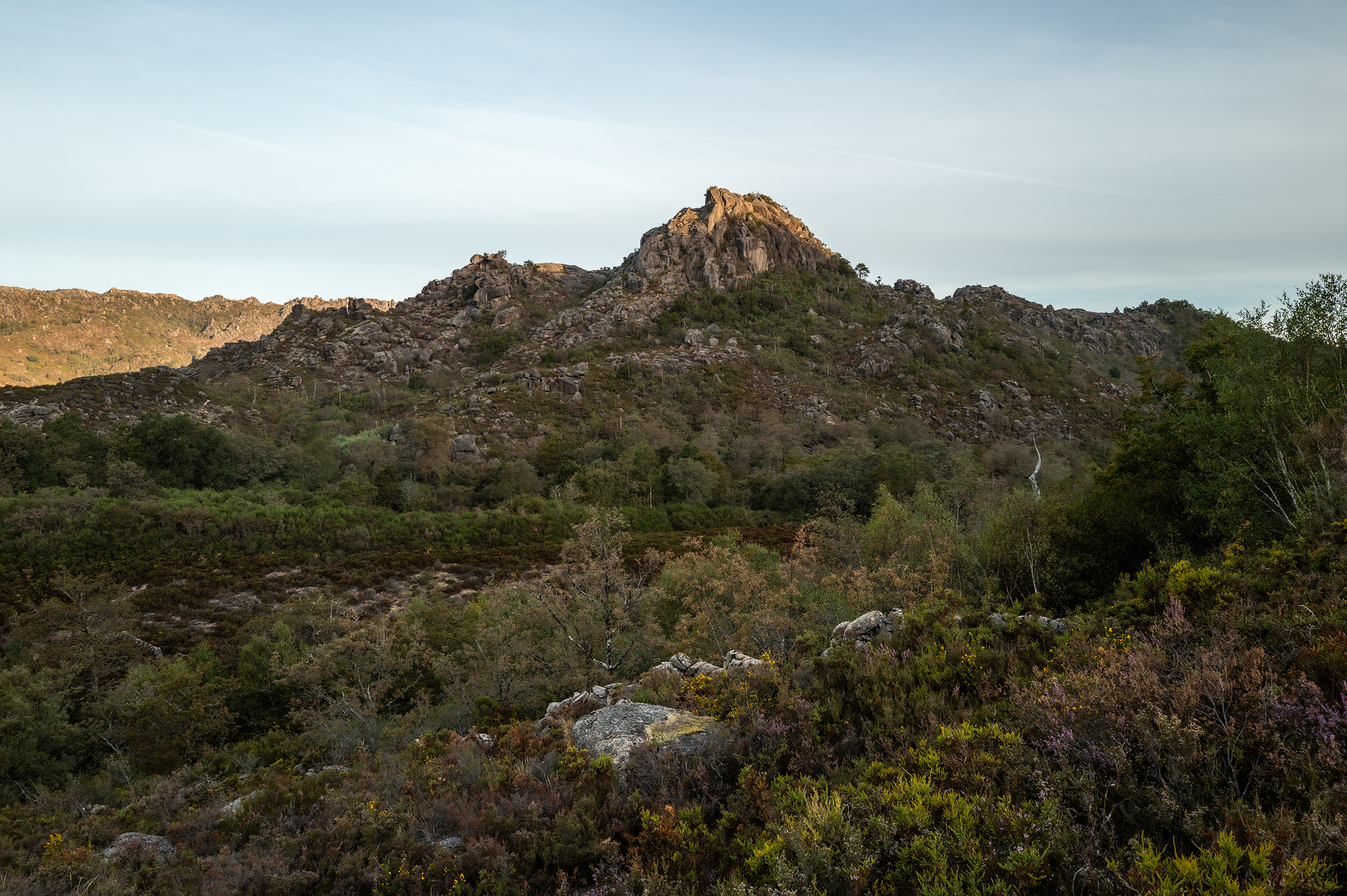


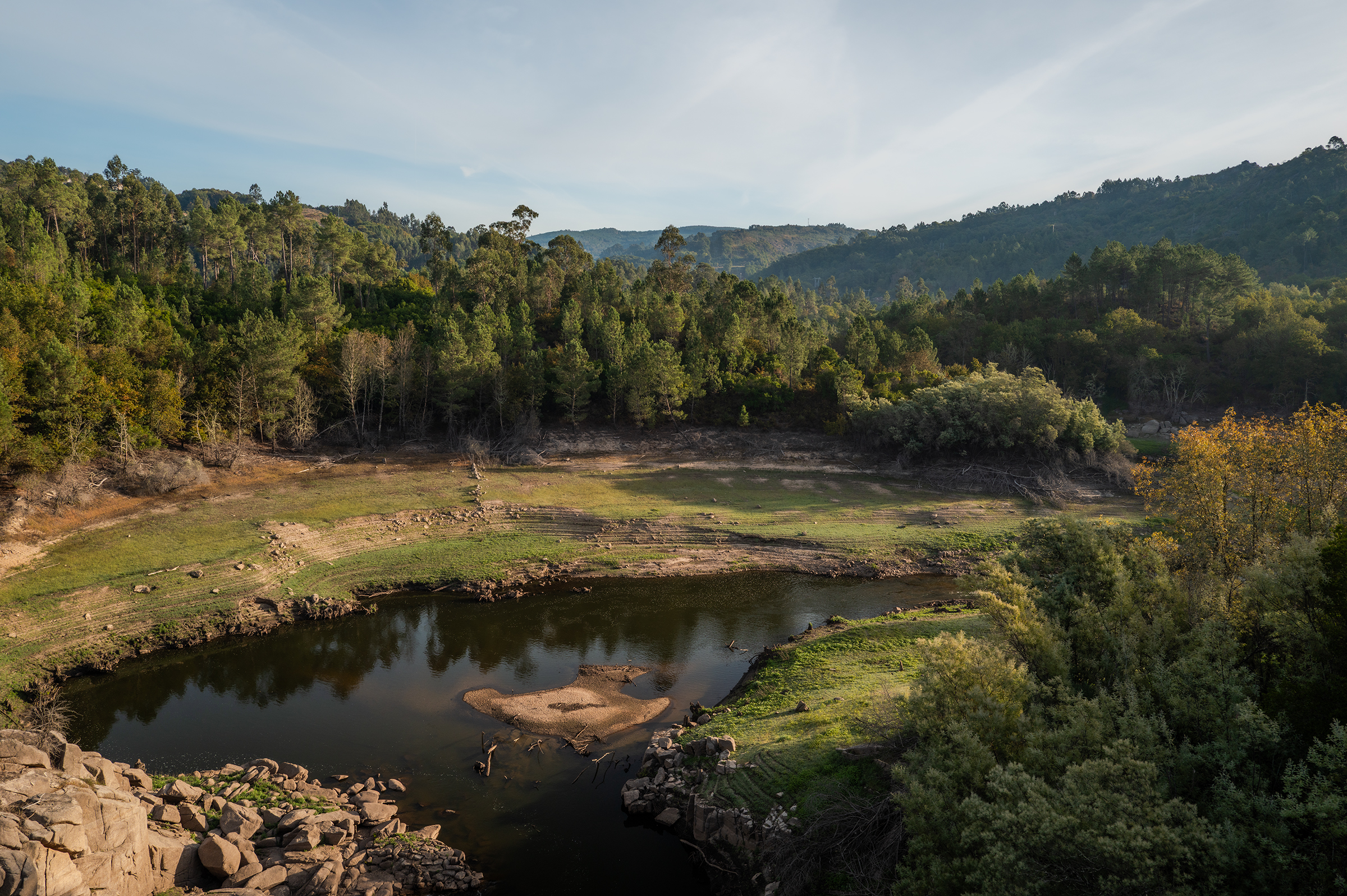

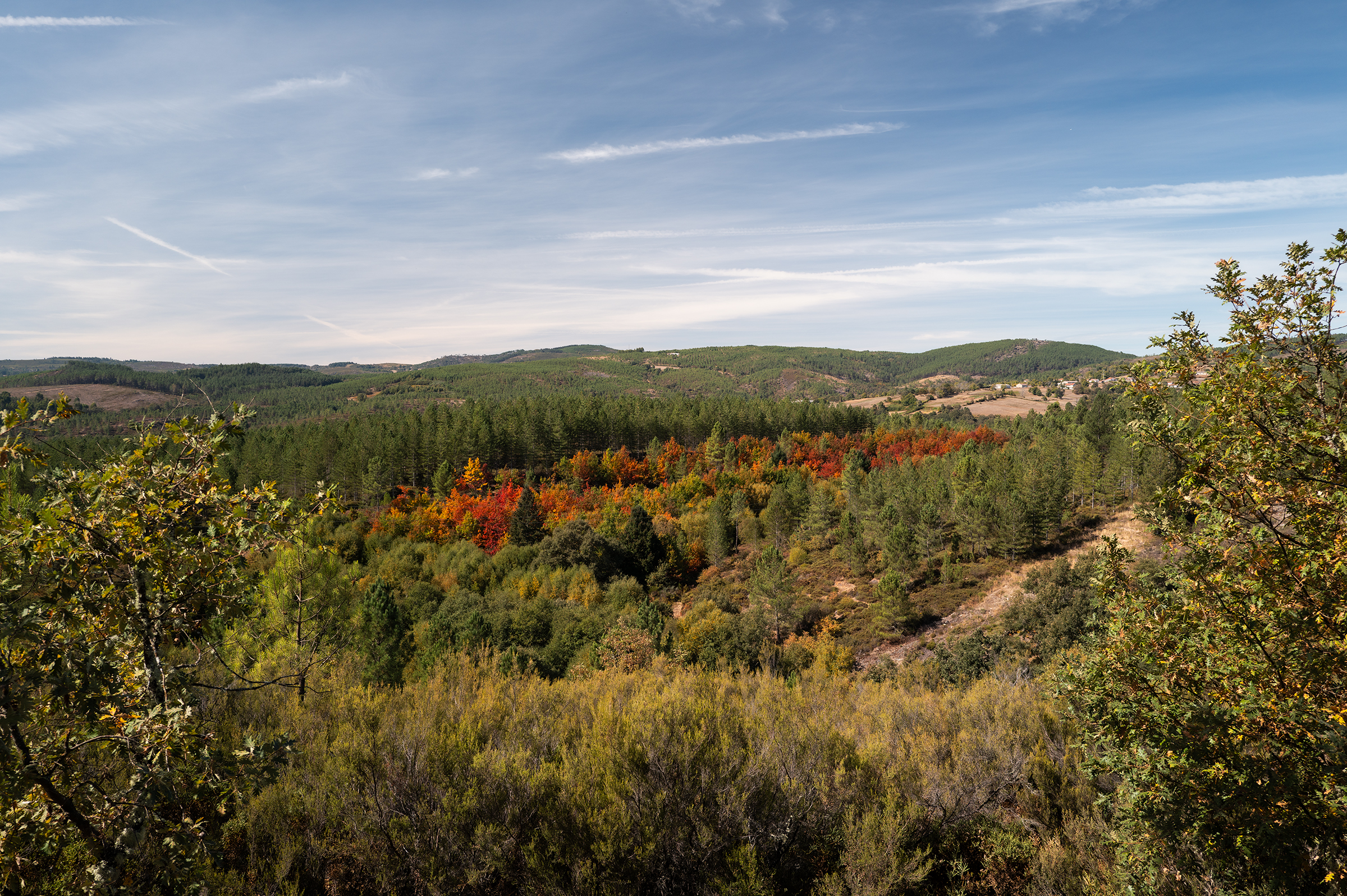
I slipped into Spain for an hour or two; padarias and panaderias, languages mixing like colors in a watercolor wash. Autumn colors were becoming unavoidable, painting the mountains in fiery tones I hadn’t yet fully anticipated.
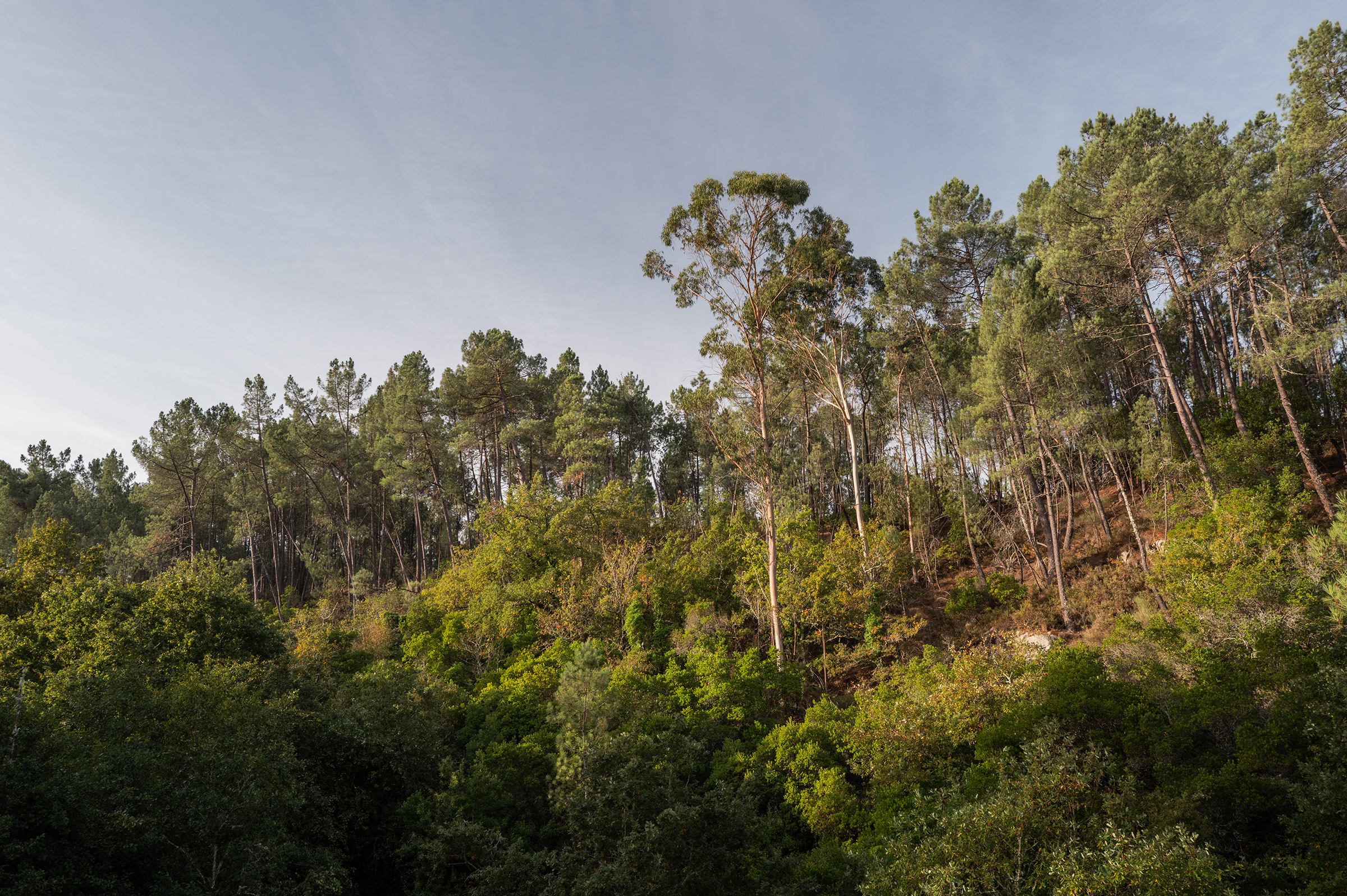
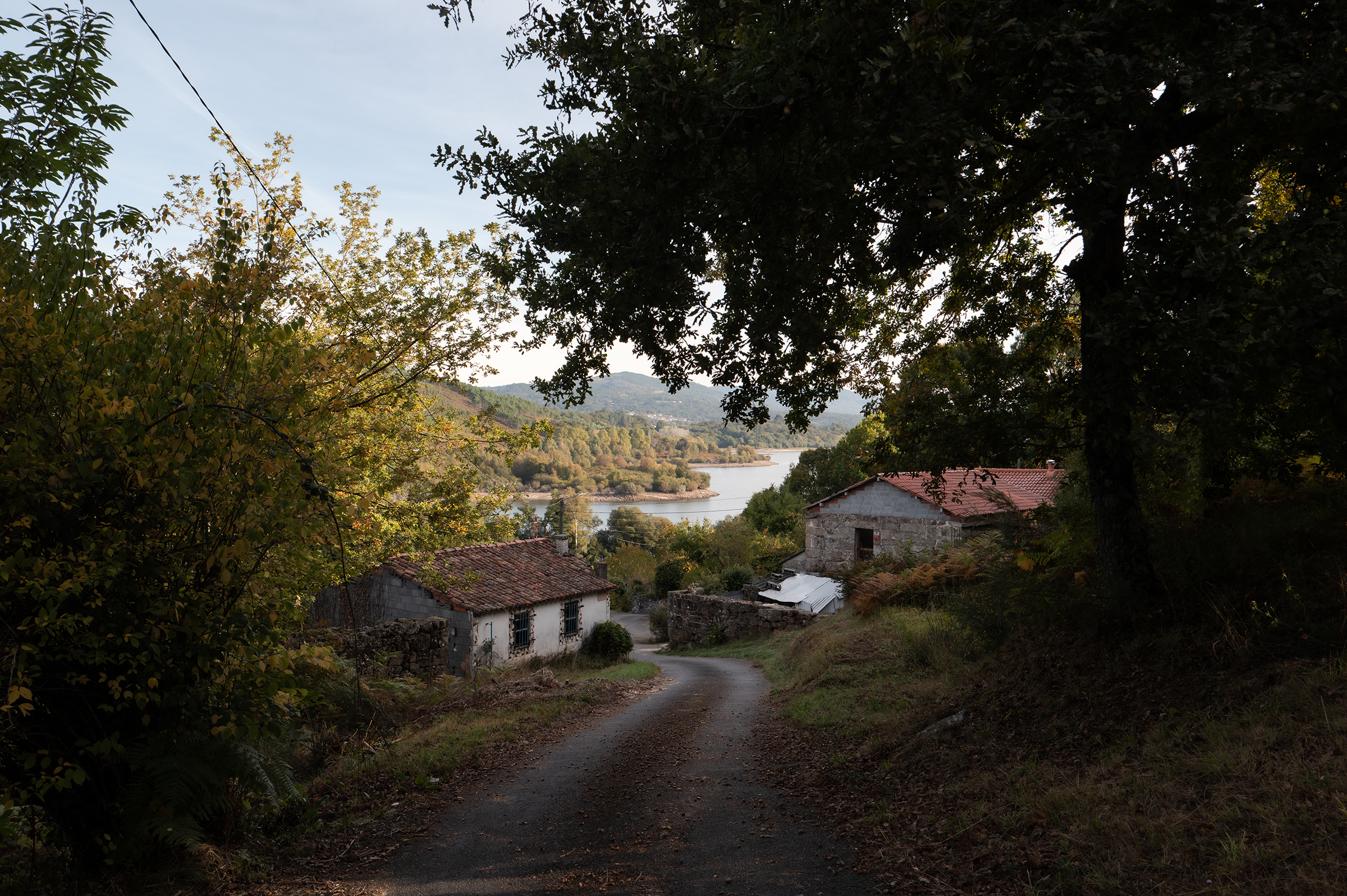

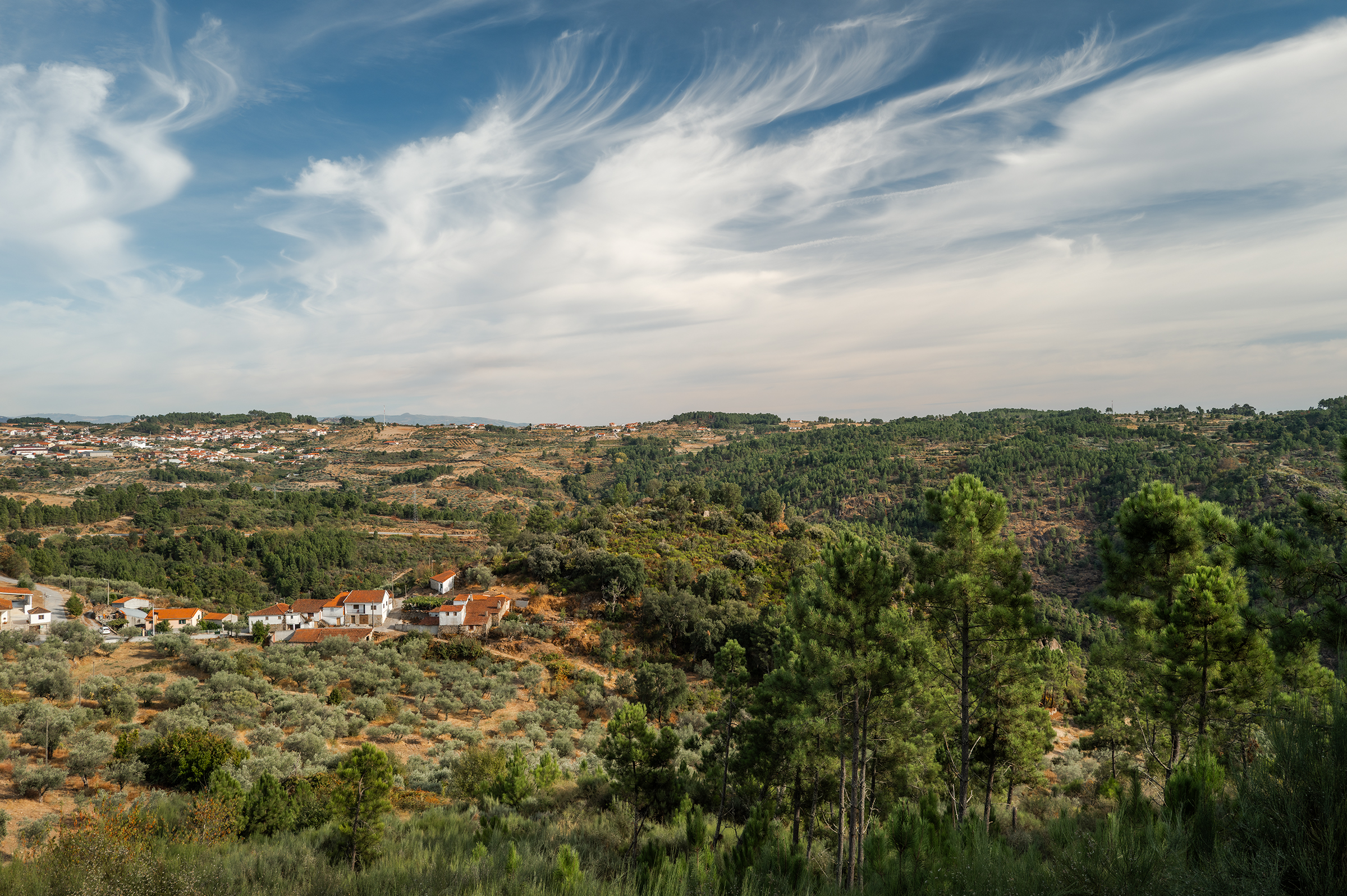


Day 3: Vinhais to Freixo de Espada À Cinta (215 km, 3,000 m)
Probably my highlight day. I crossed both Montesinho Natural Park and then into the Douro Natural Park. I first made my way from Vinhais to Bragança, a beautiful medieval town I wish I could’ve explored more. Then, after long stretches of empty roads and small villages, mostly going into a headwind, I entered the Parque Natural do Douro.

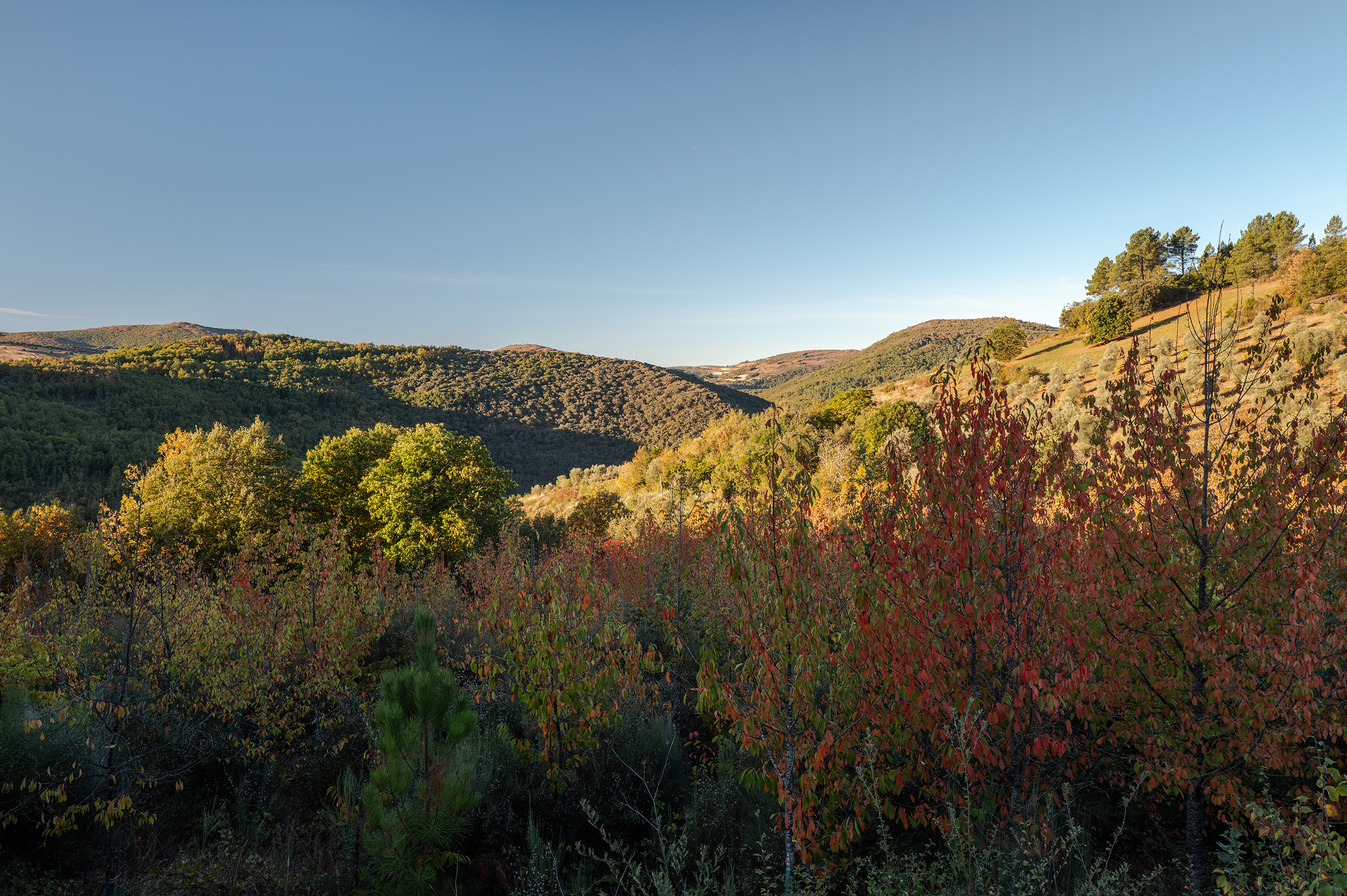

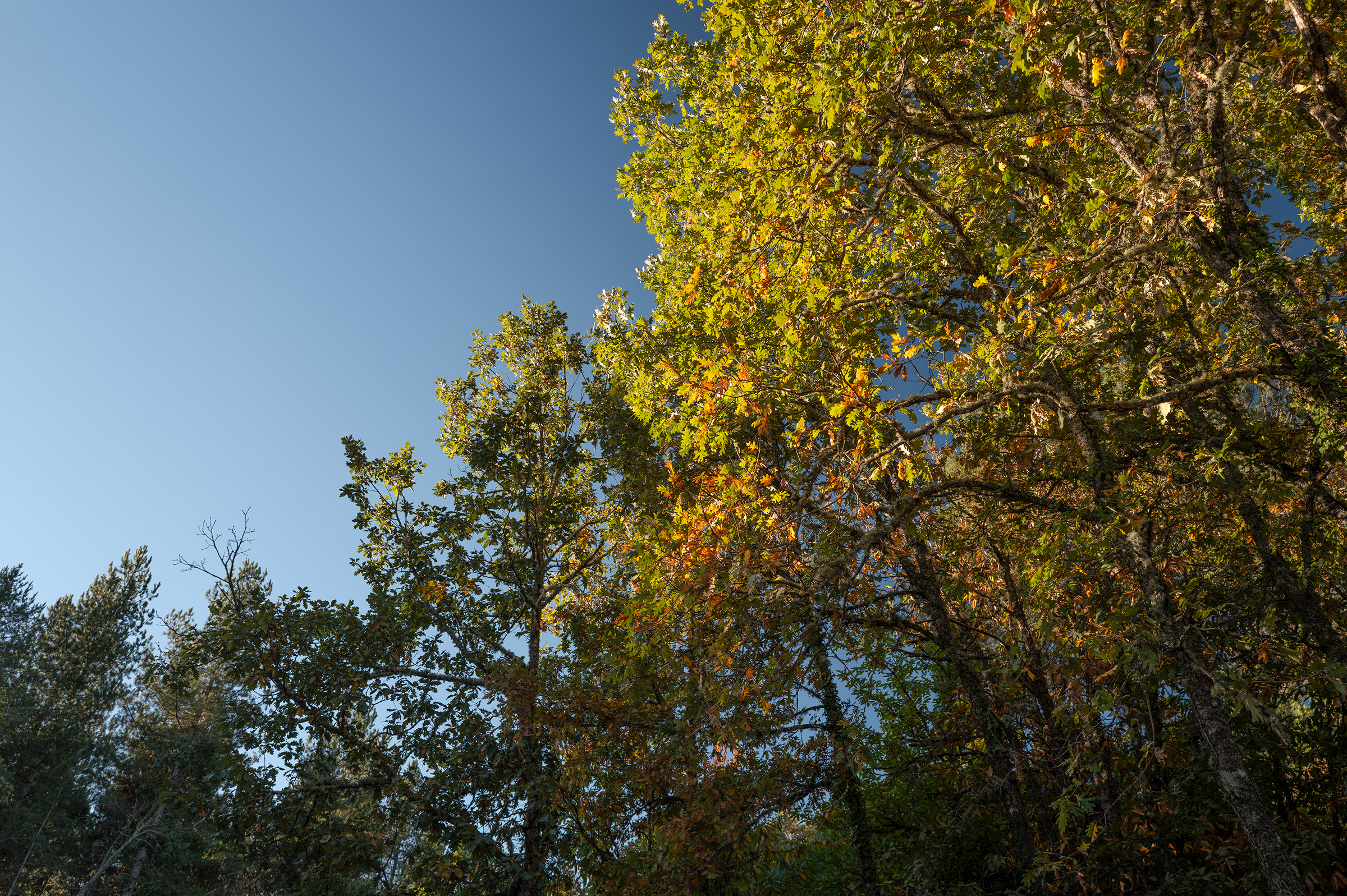

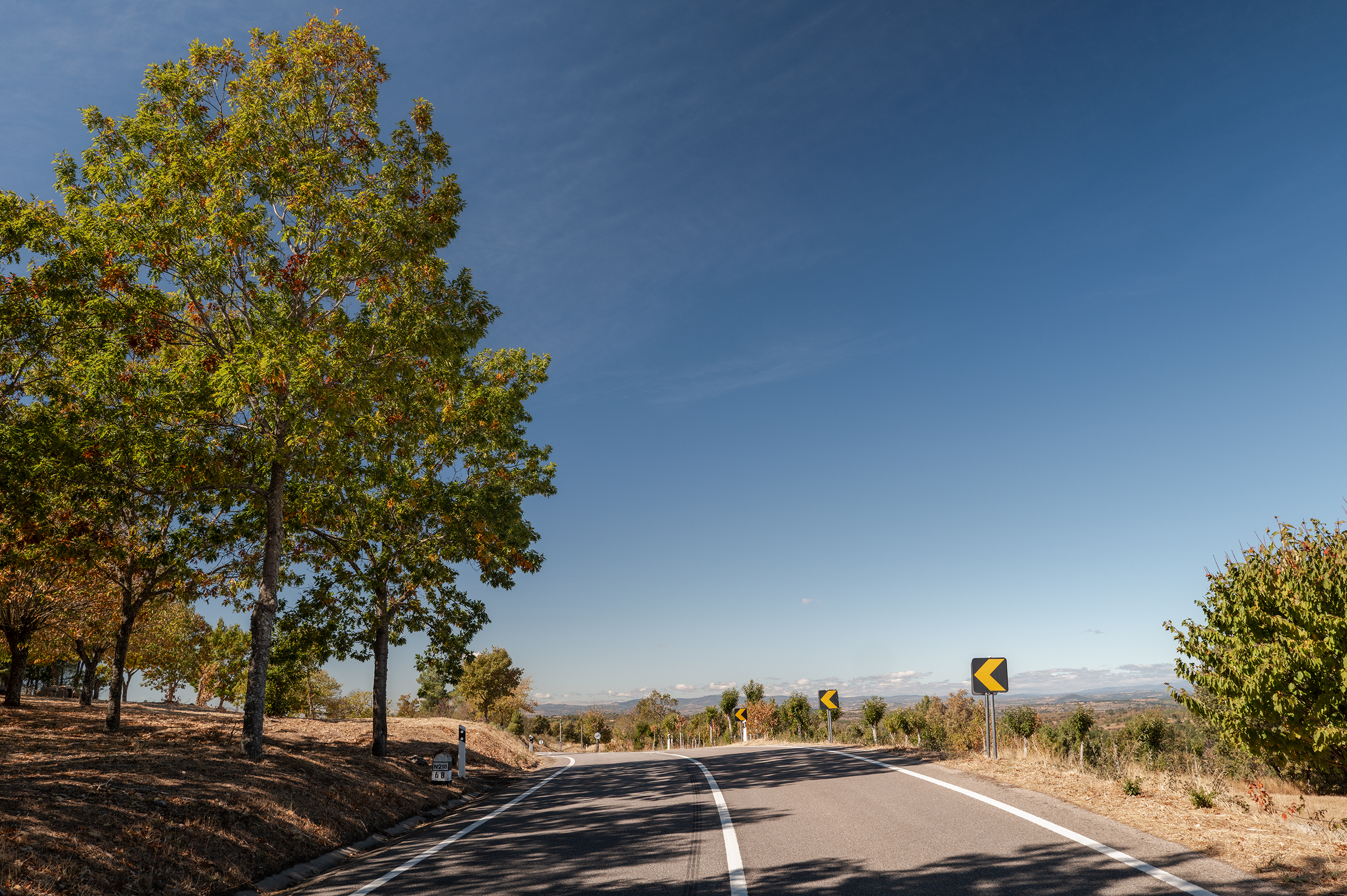
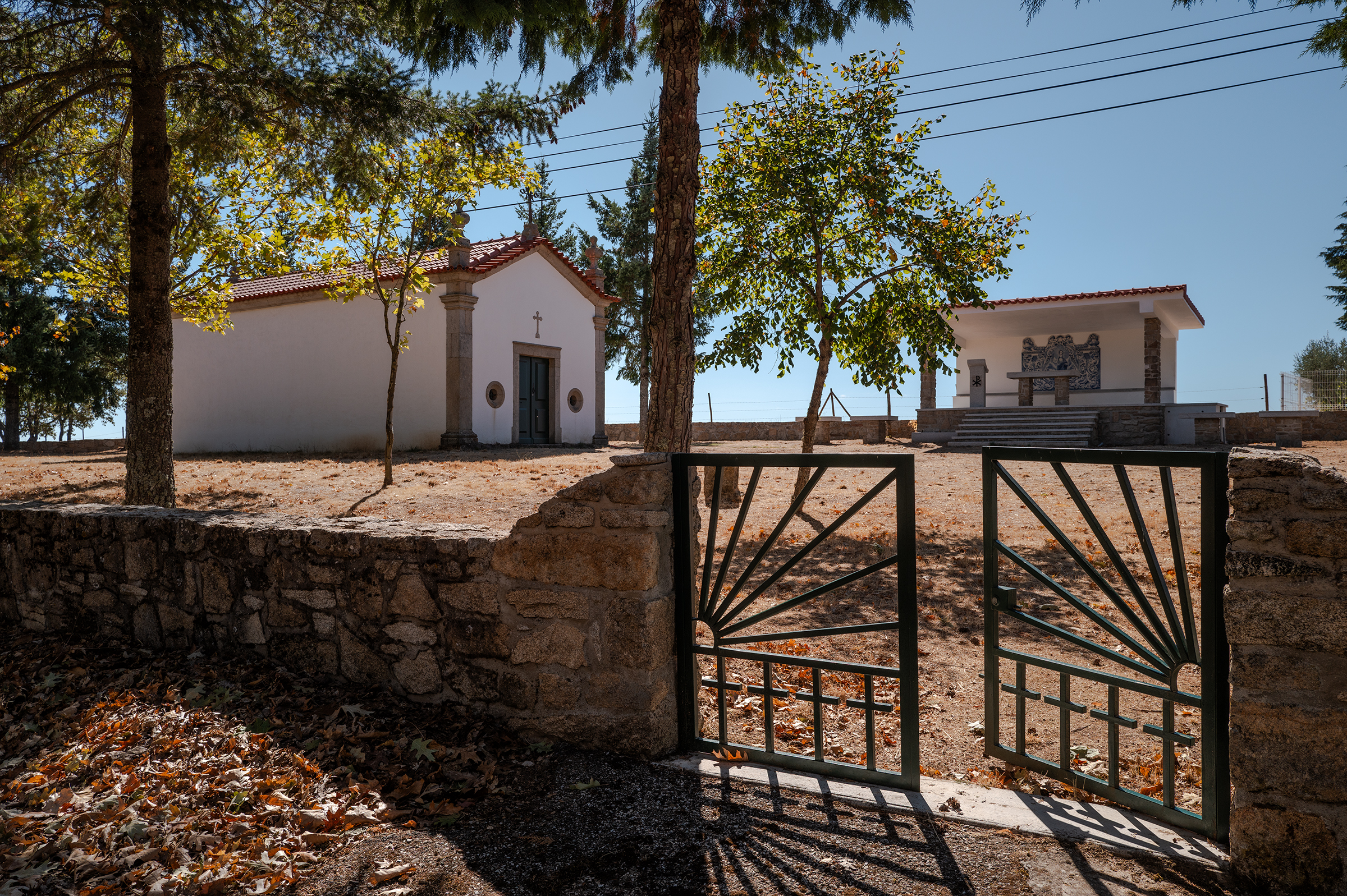
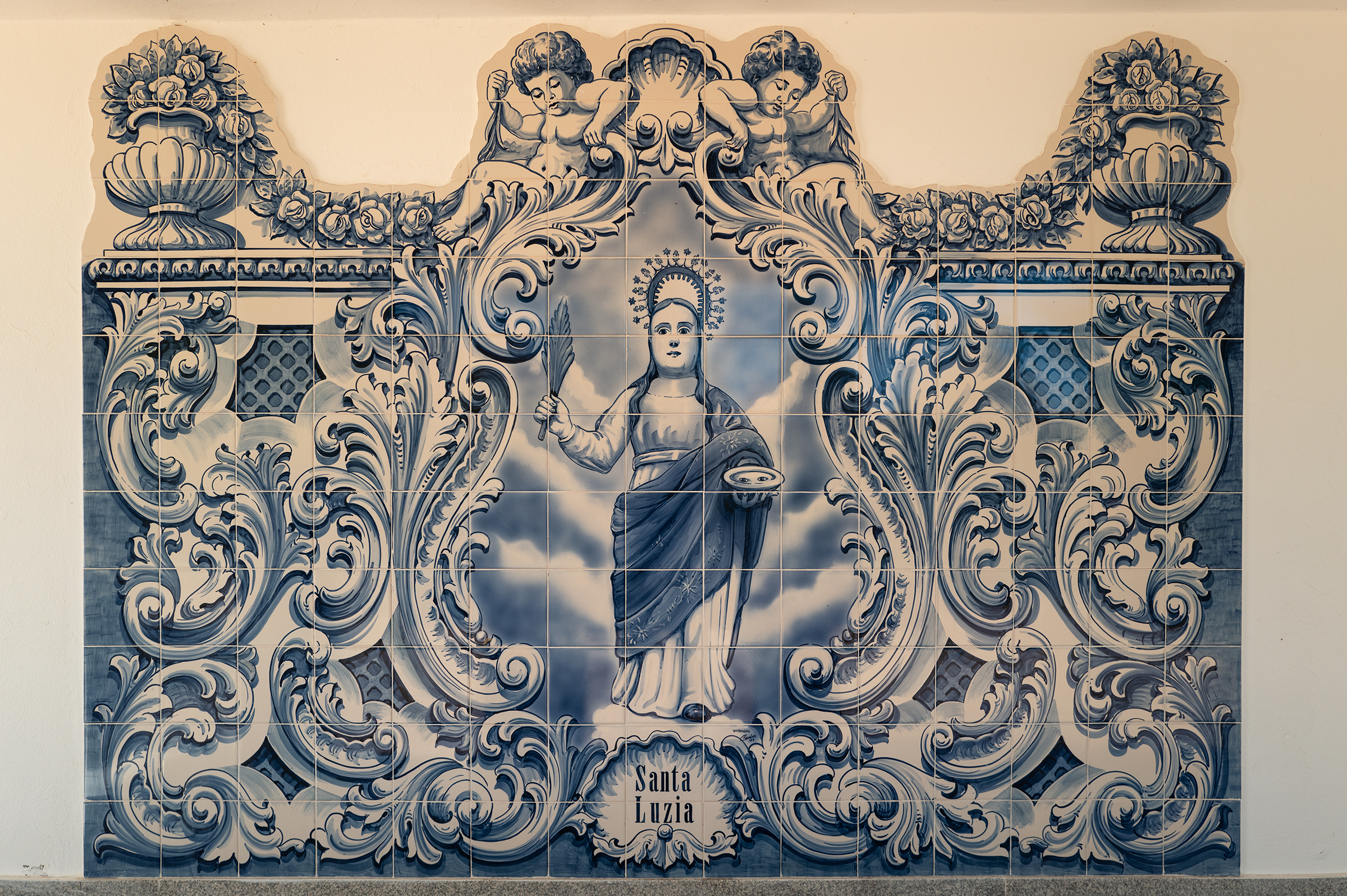

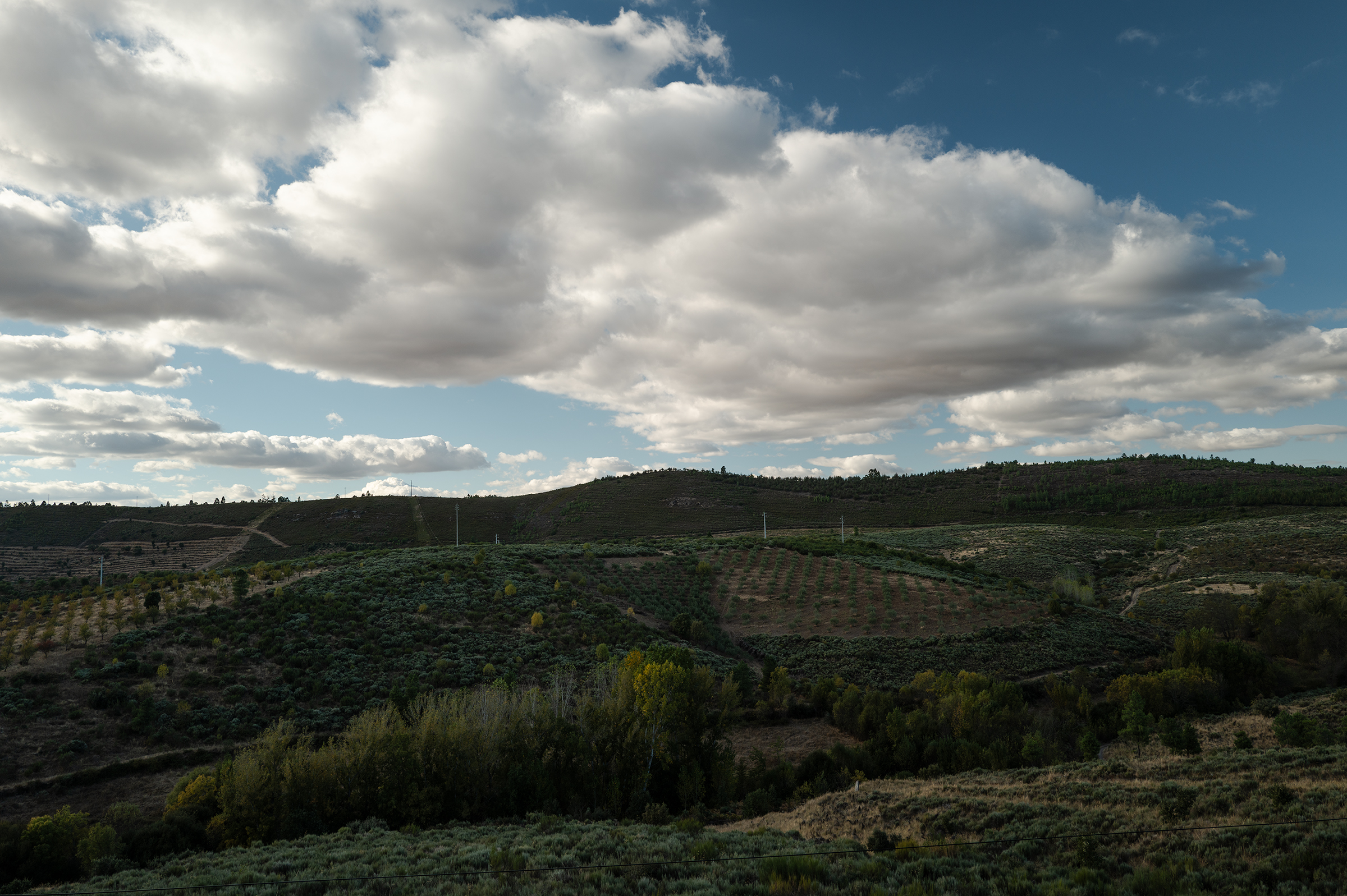
Clouds gathered, skies turned more dramatic. I passed areas that burned last August; the native species are stubborn, resilient — they resist. In some places, the trees looked like fire coming out of the ash.



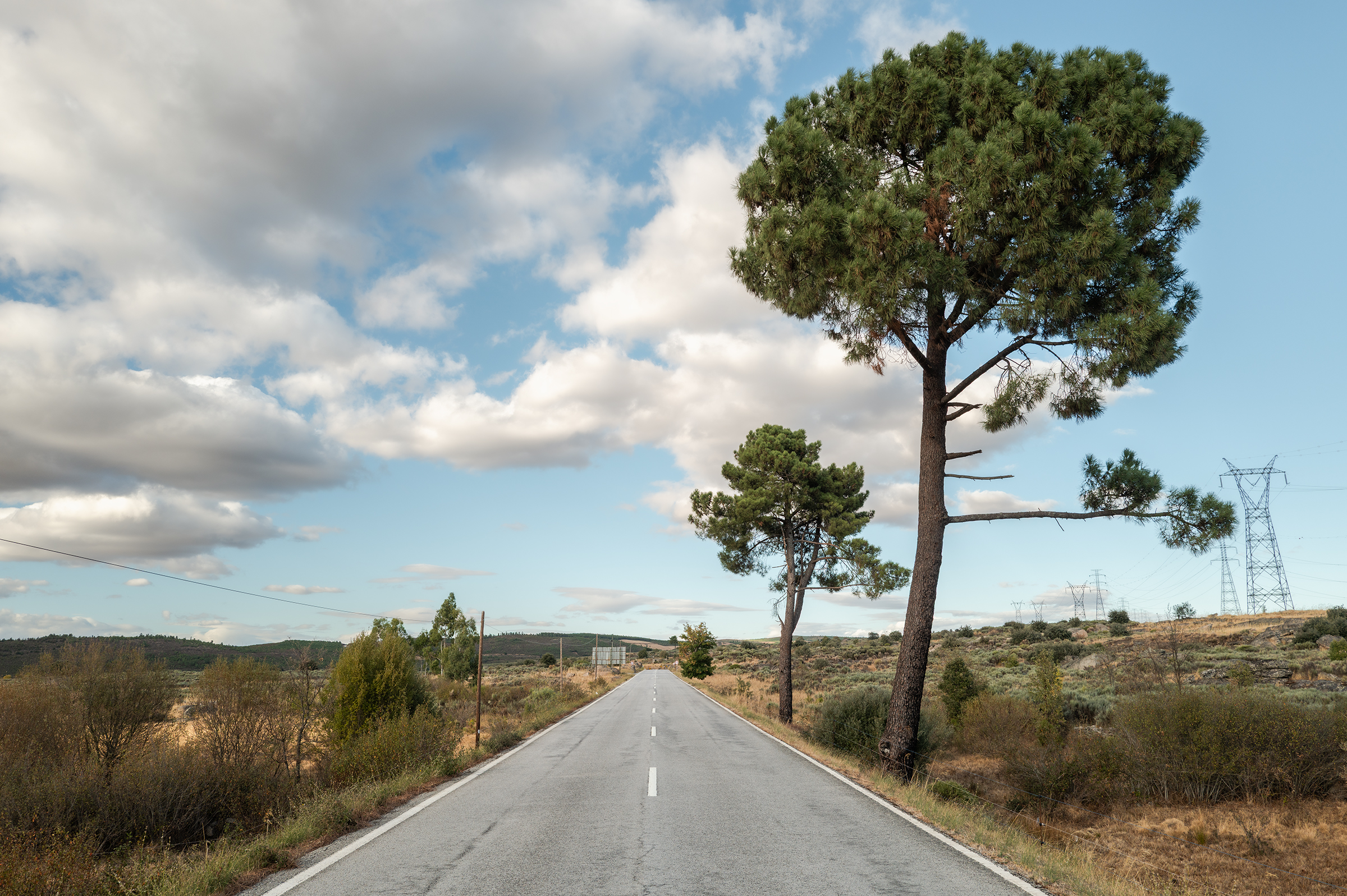

The day was long, but fear not, I stopped in many villages for food — in Portugal, you’re only ever a few kilometers away from a restaurant or a bakery where a grandmother will make you the sandwich you need.
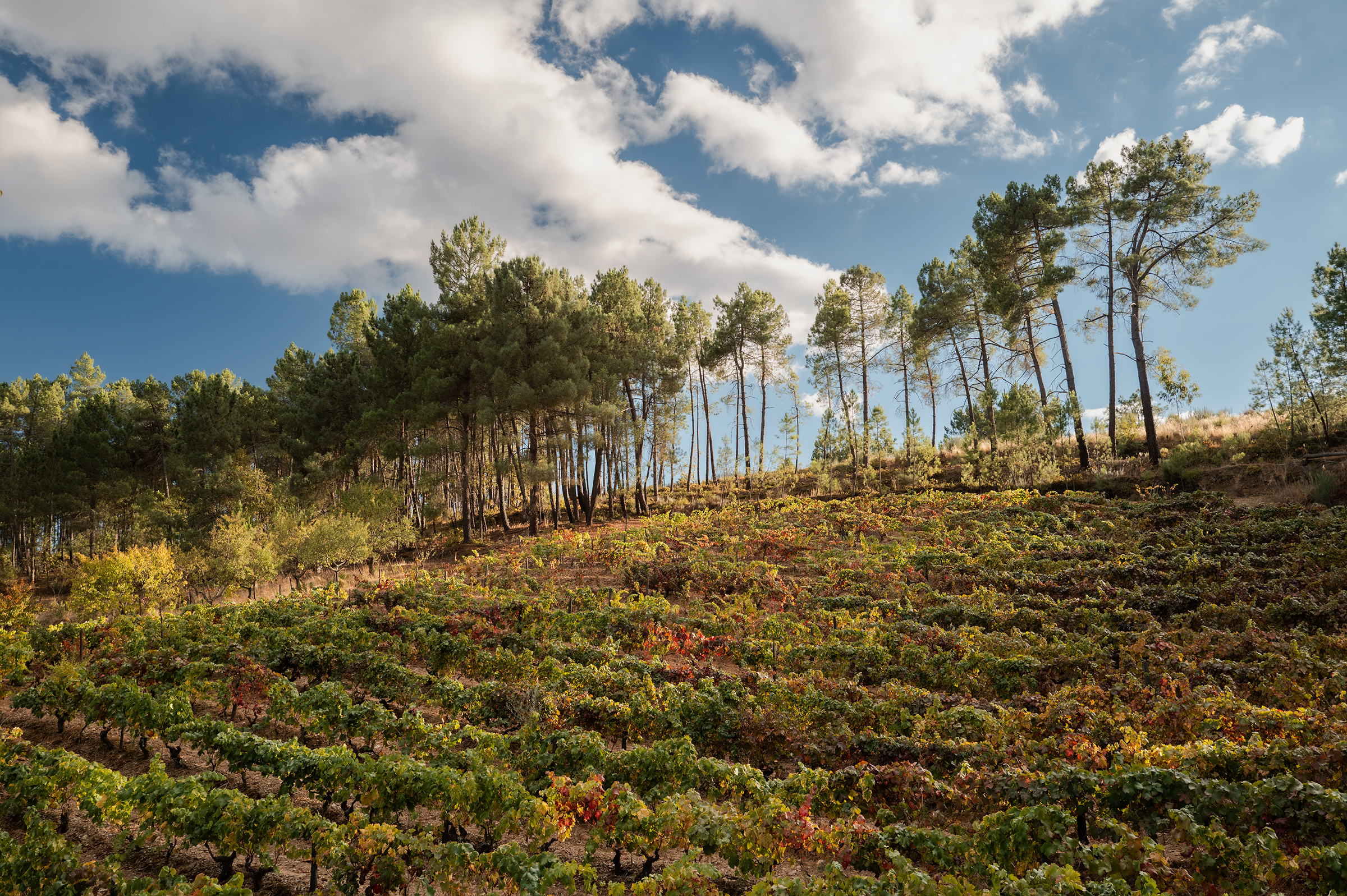
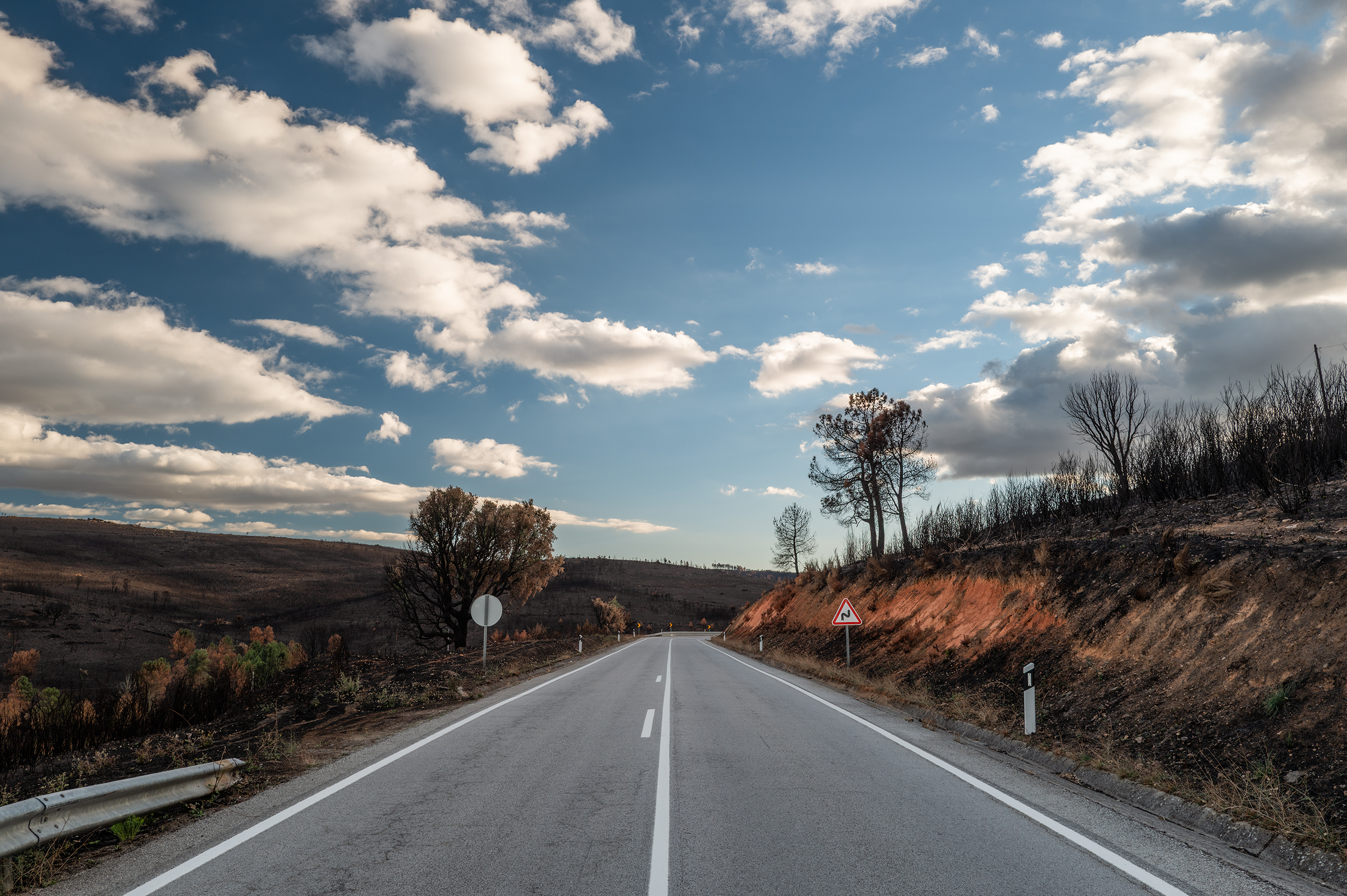
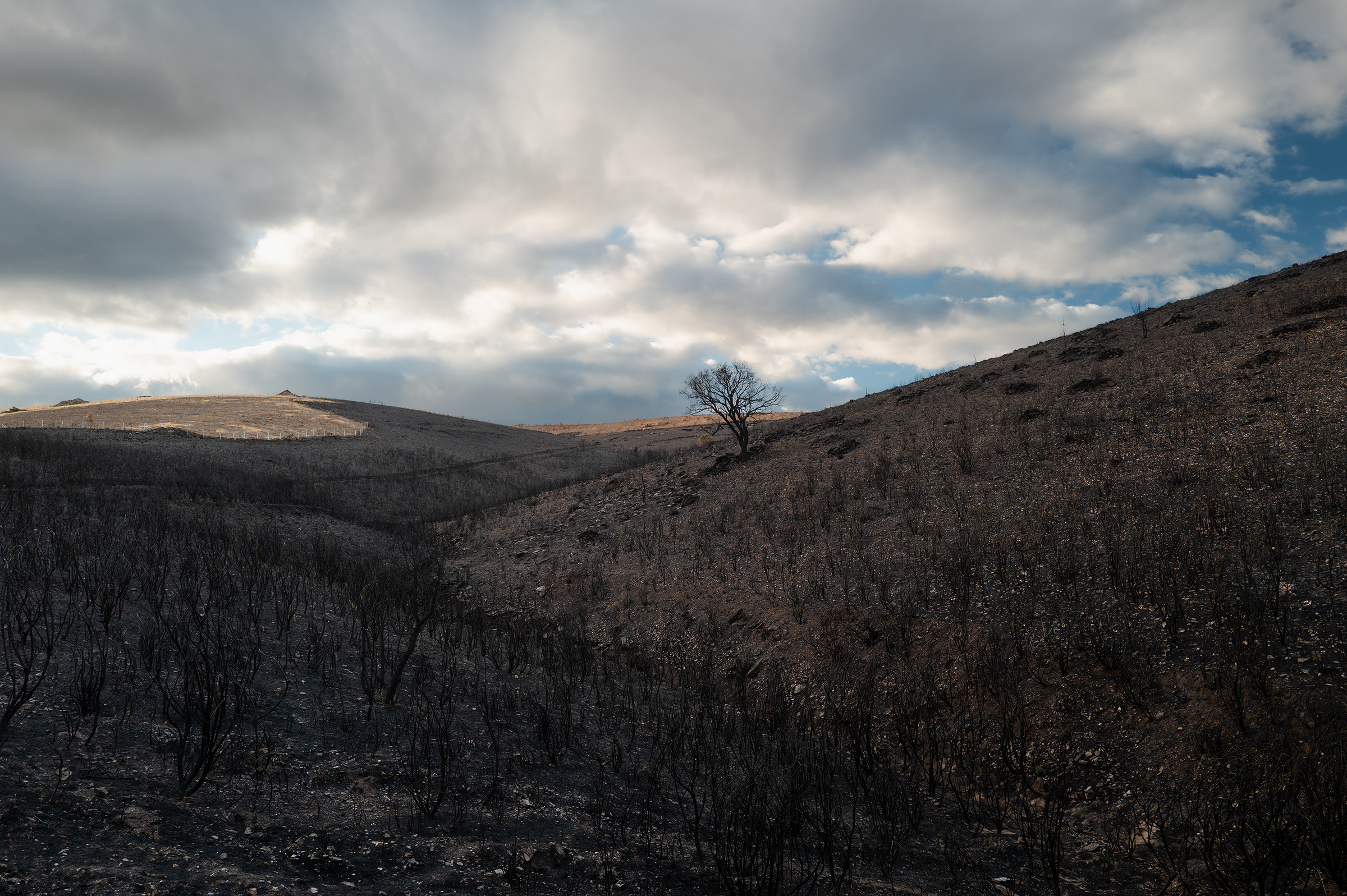
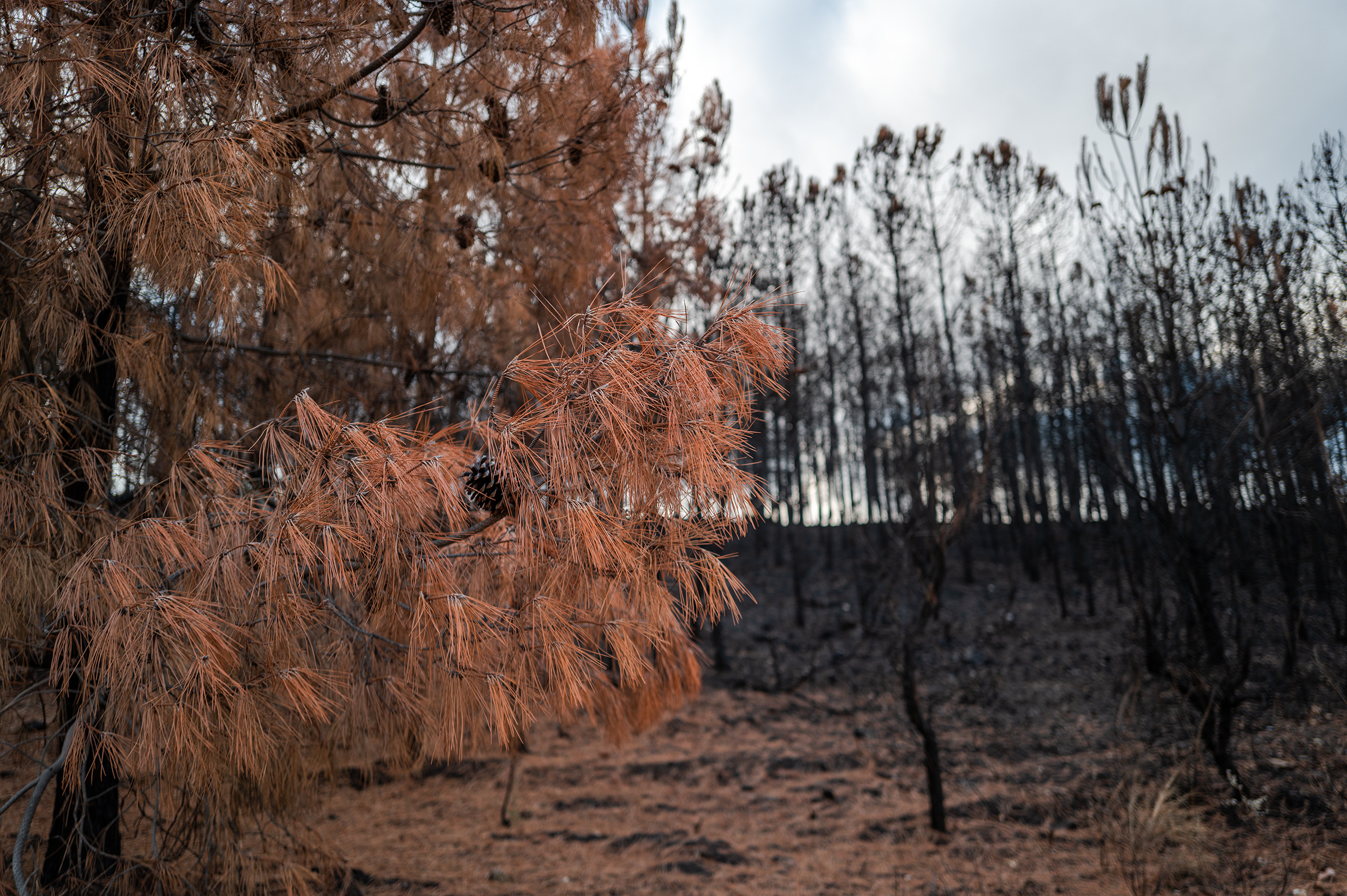


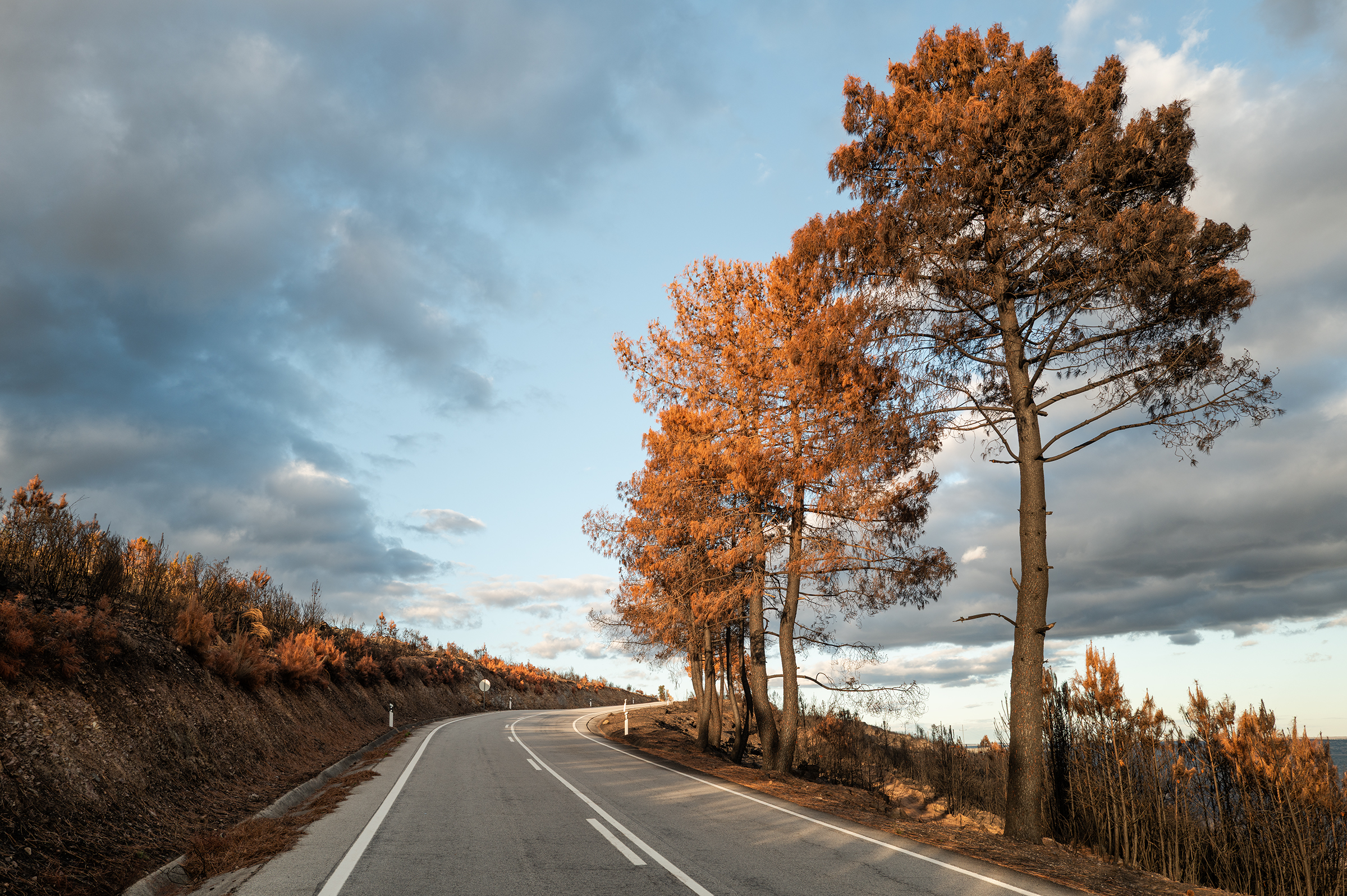
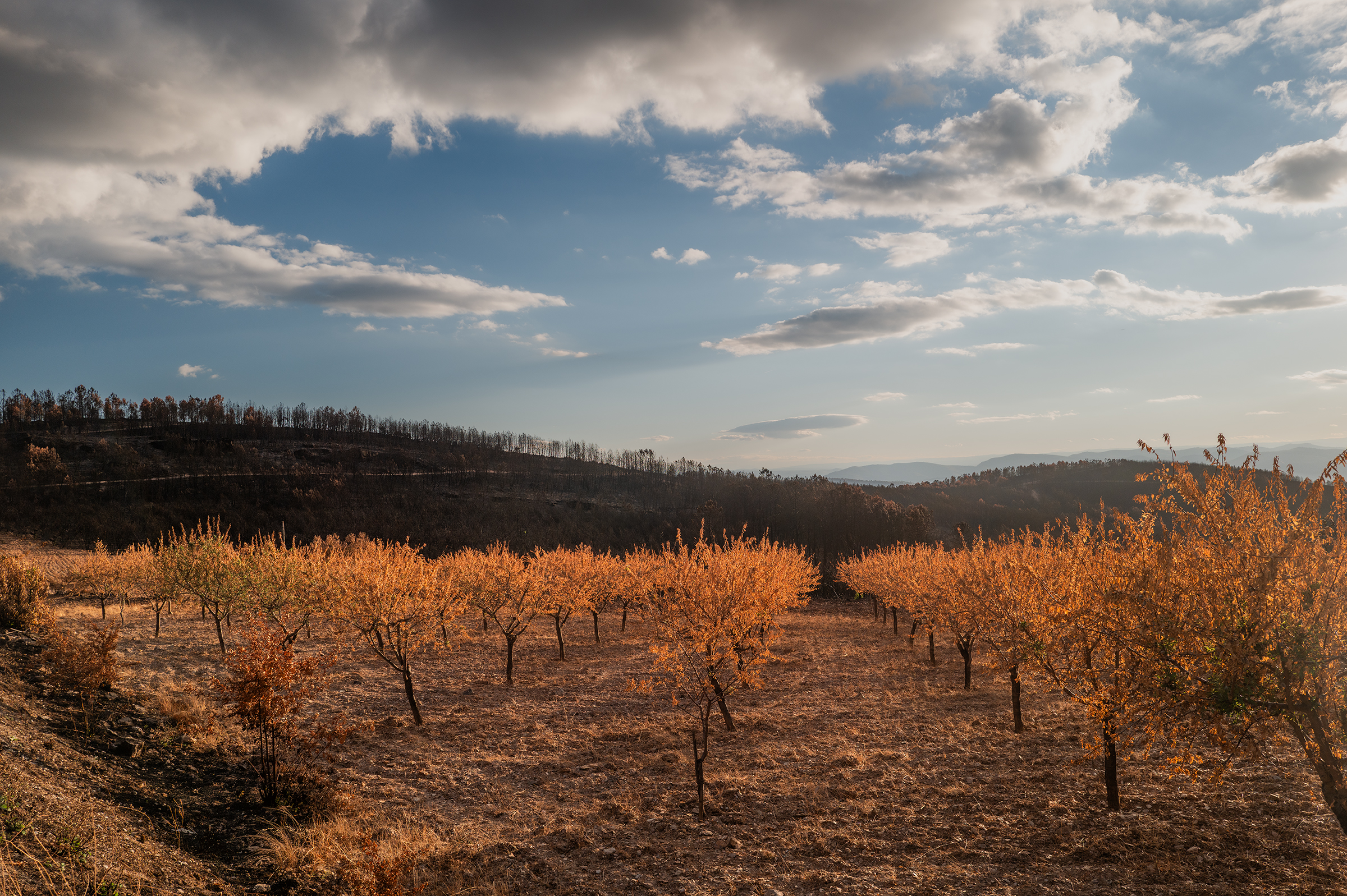
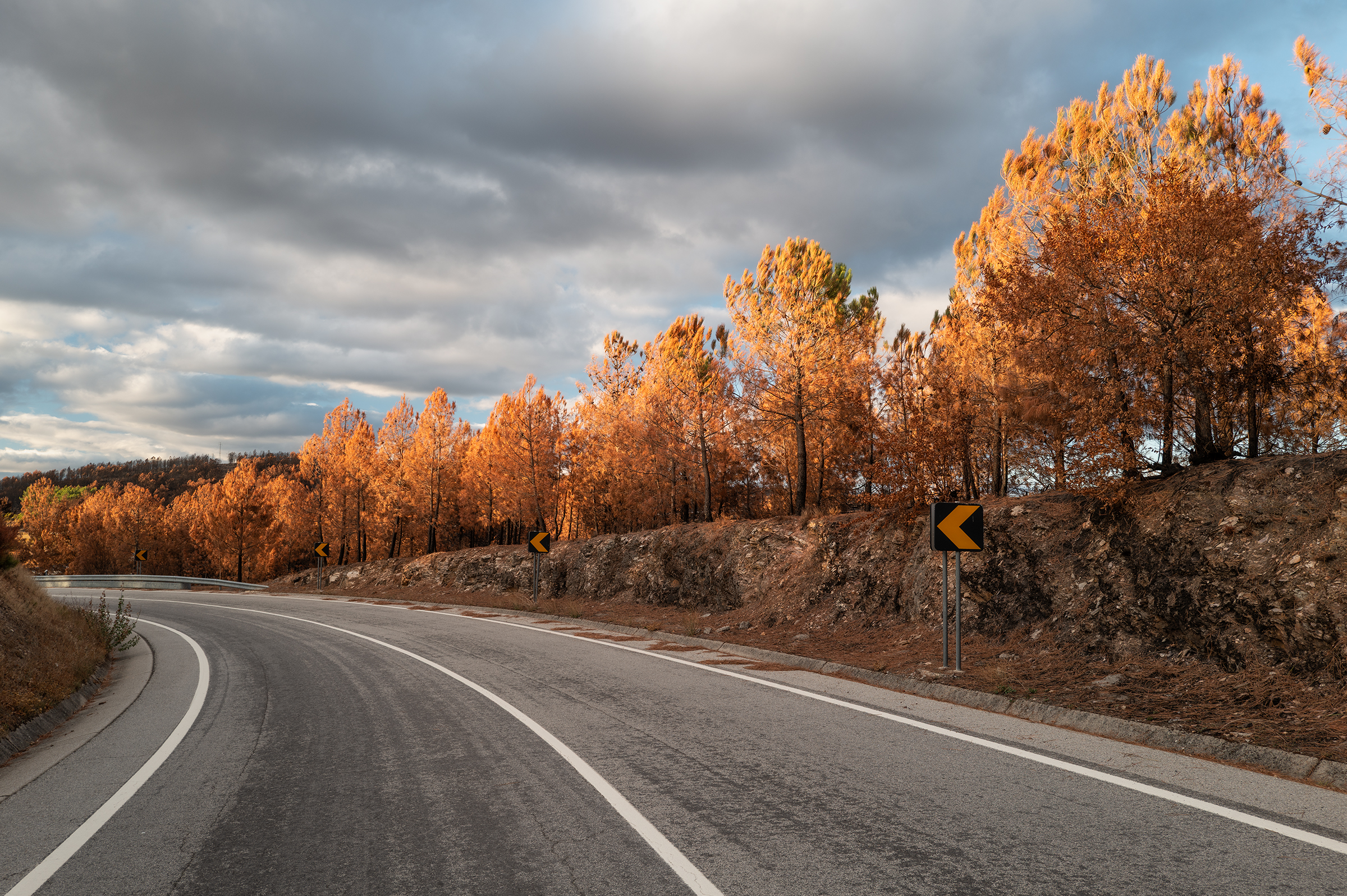

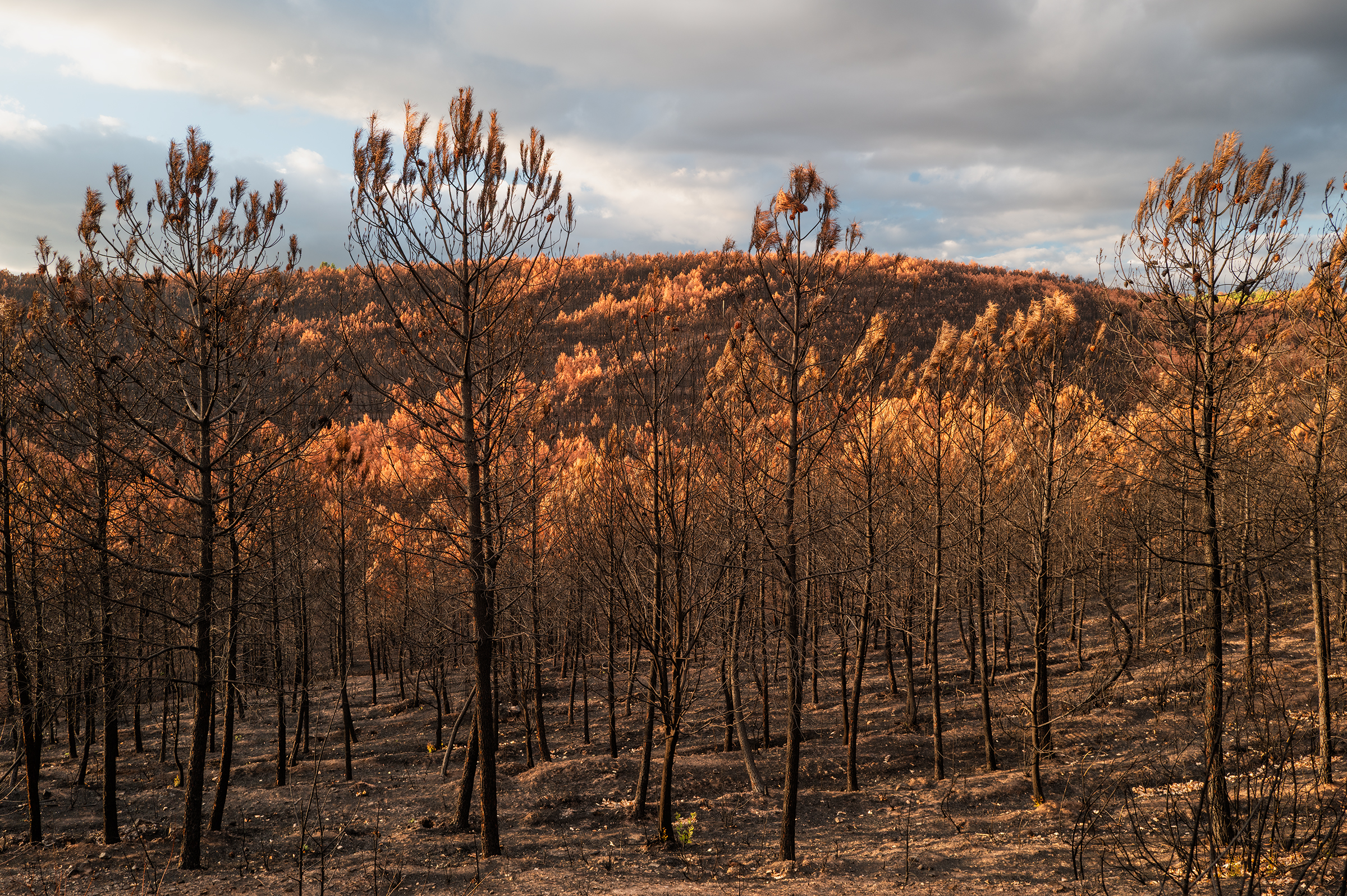
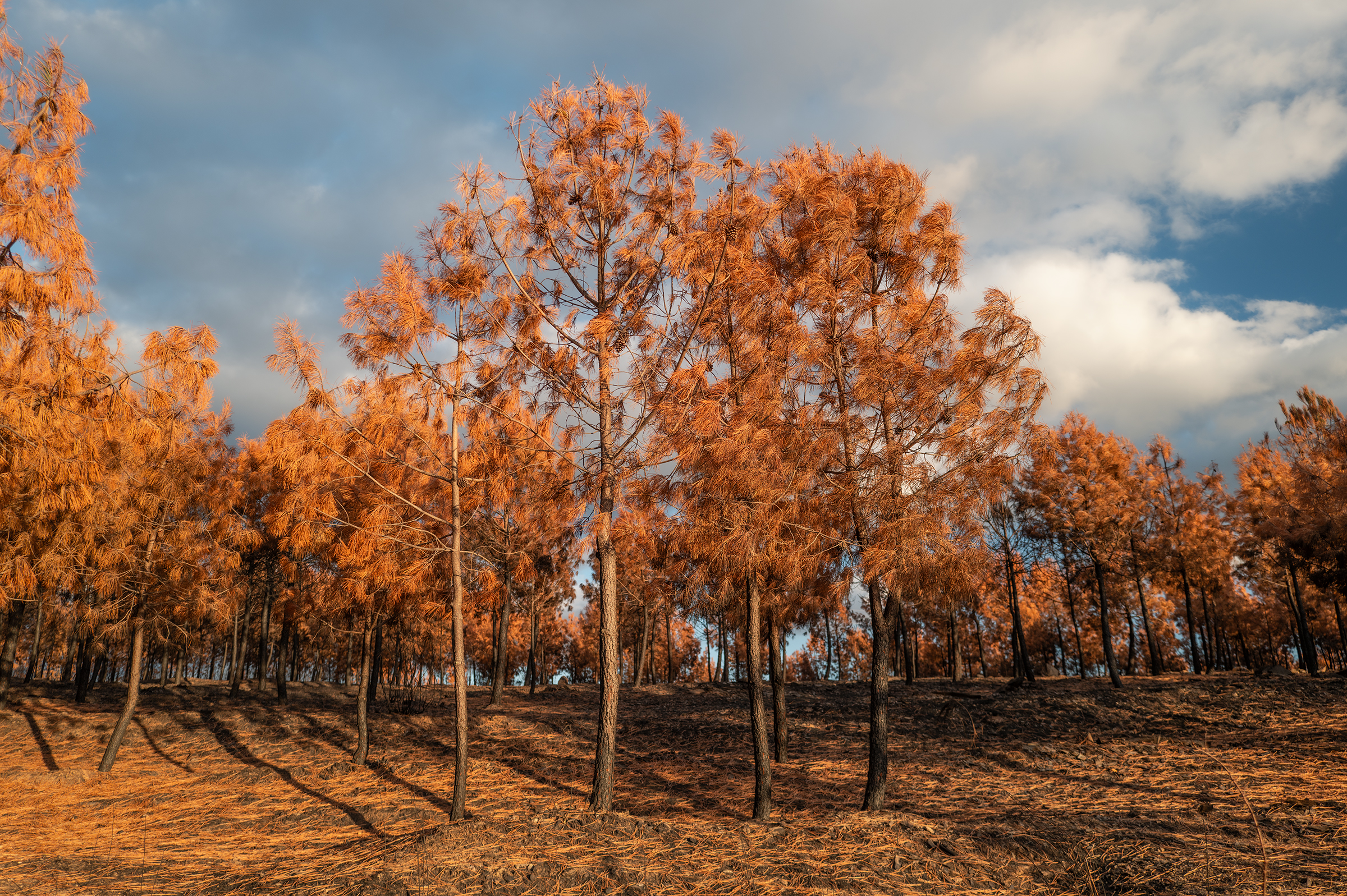

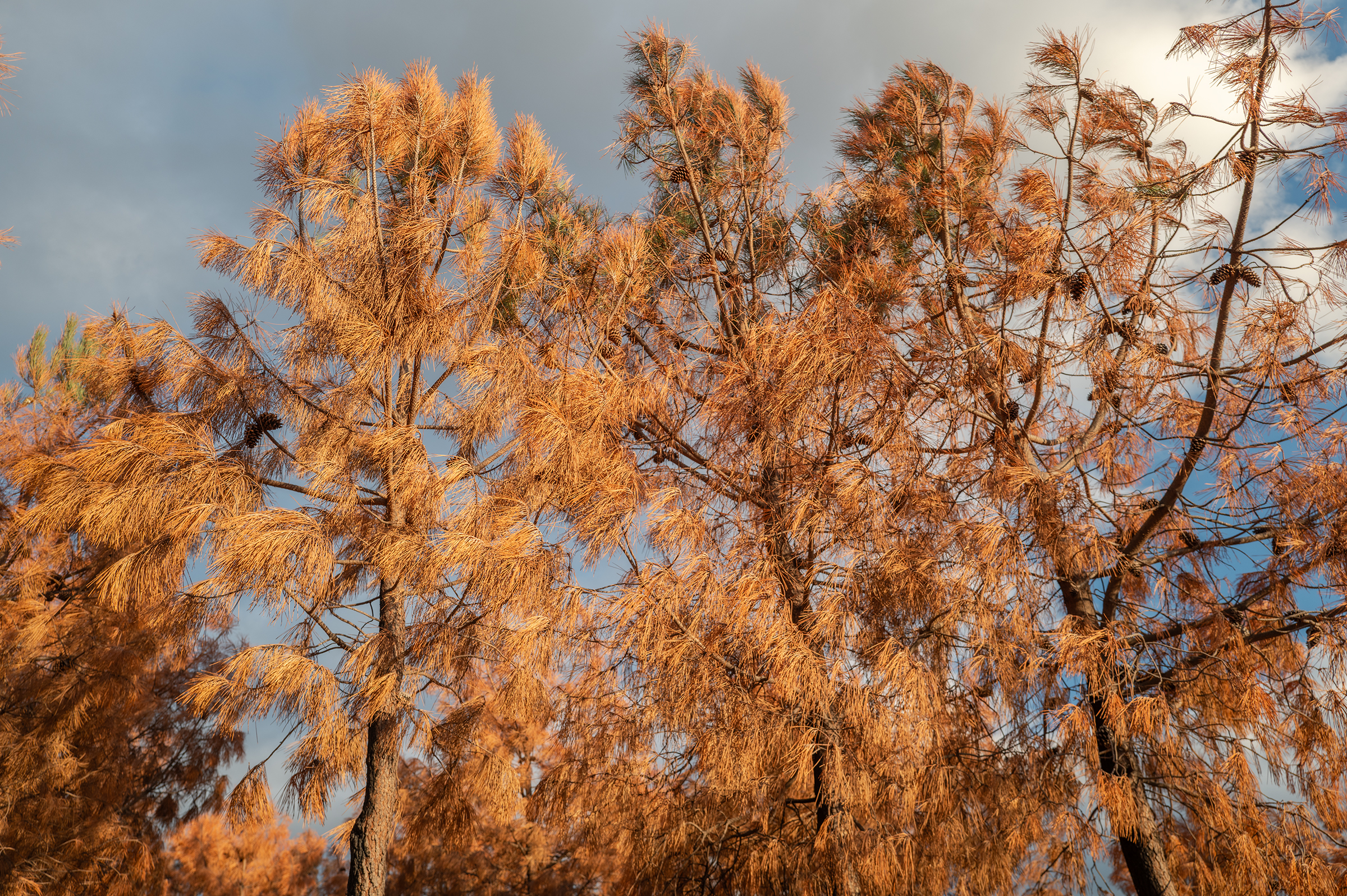

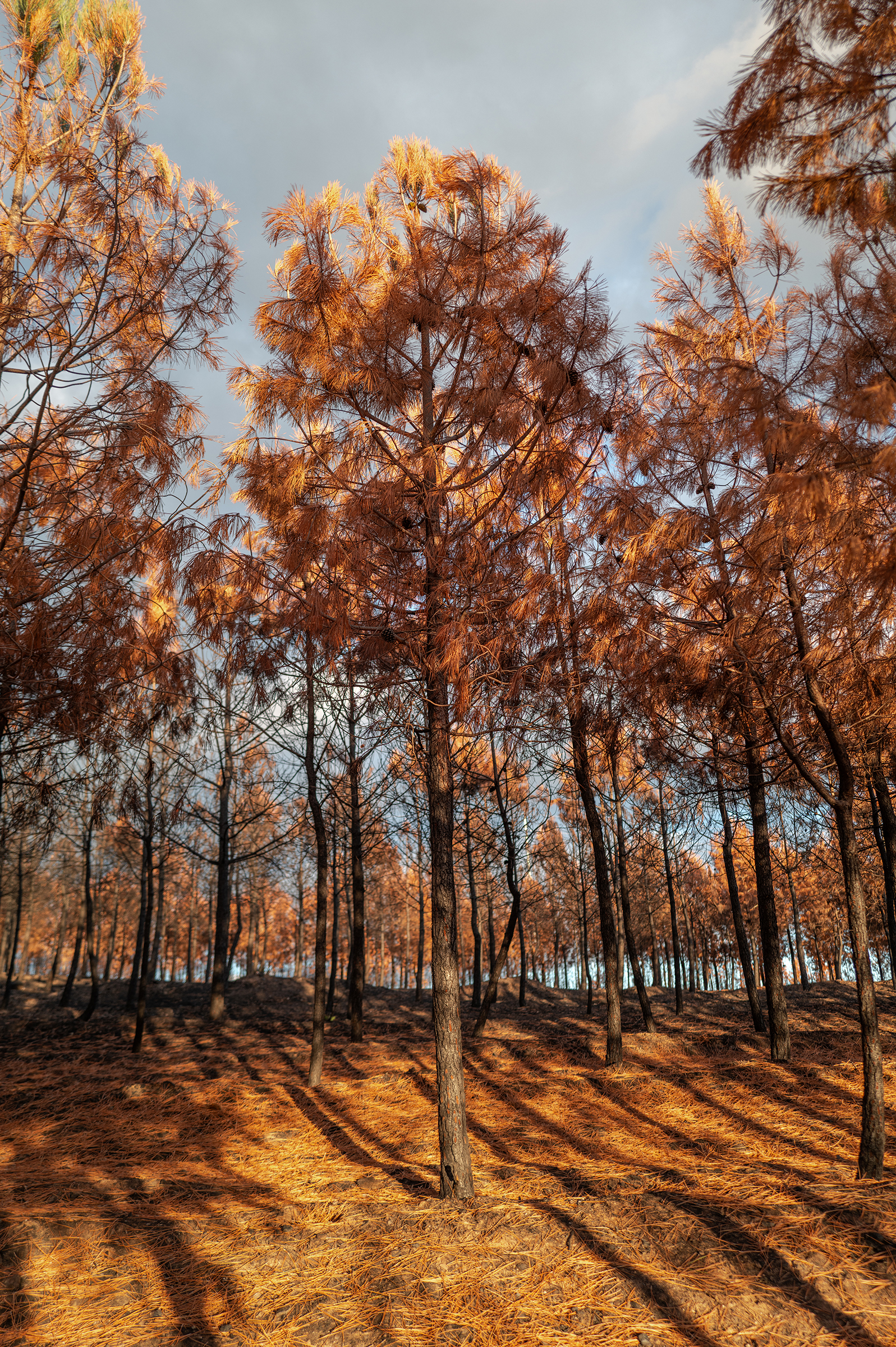

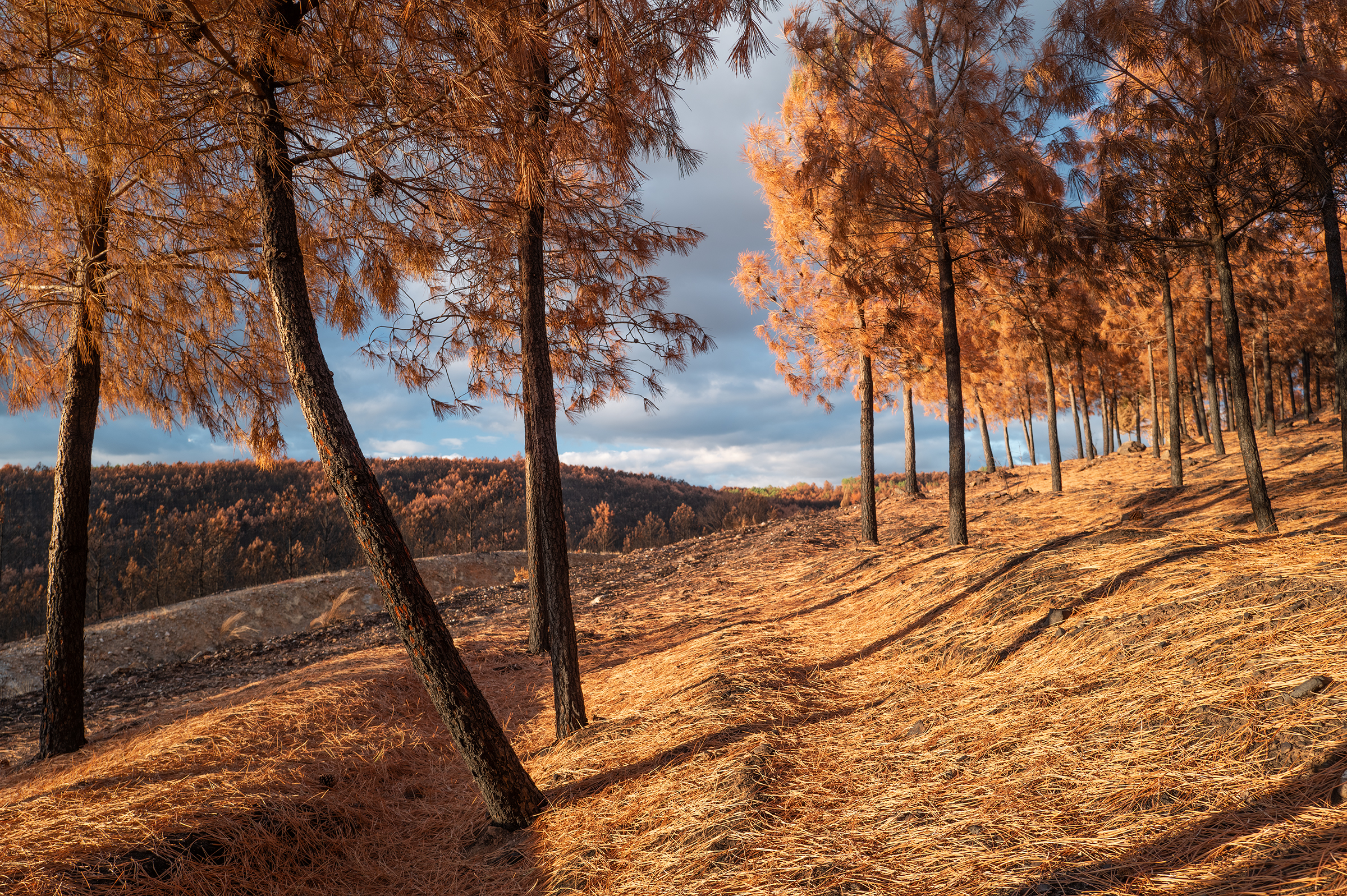
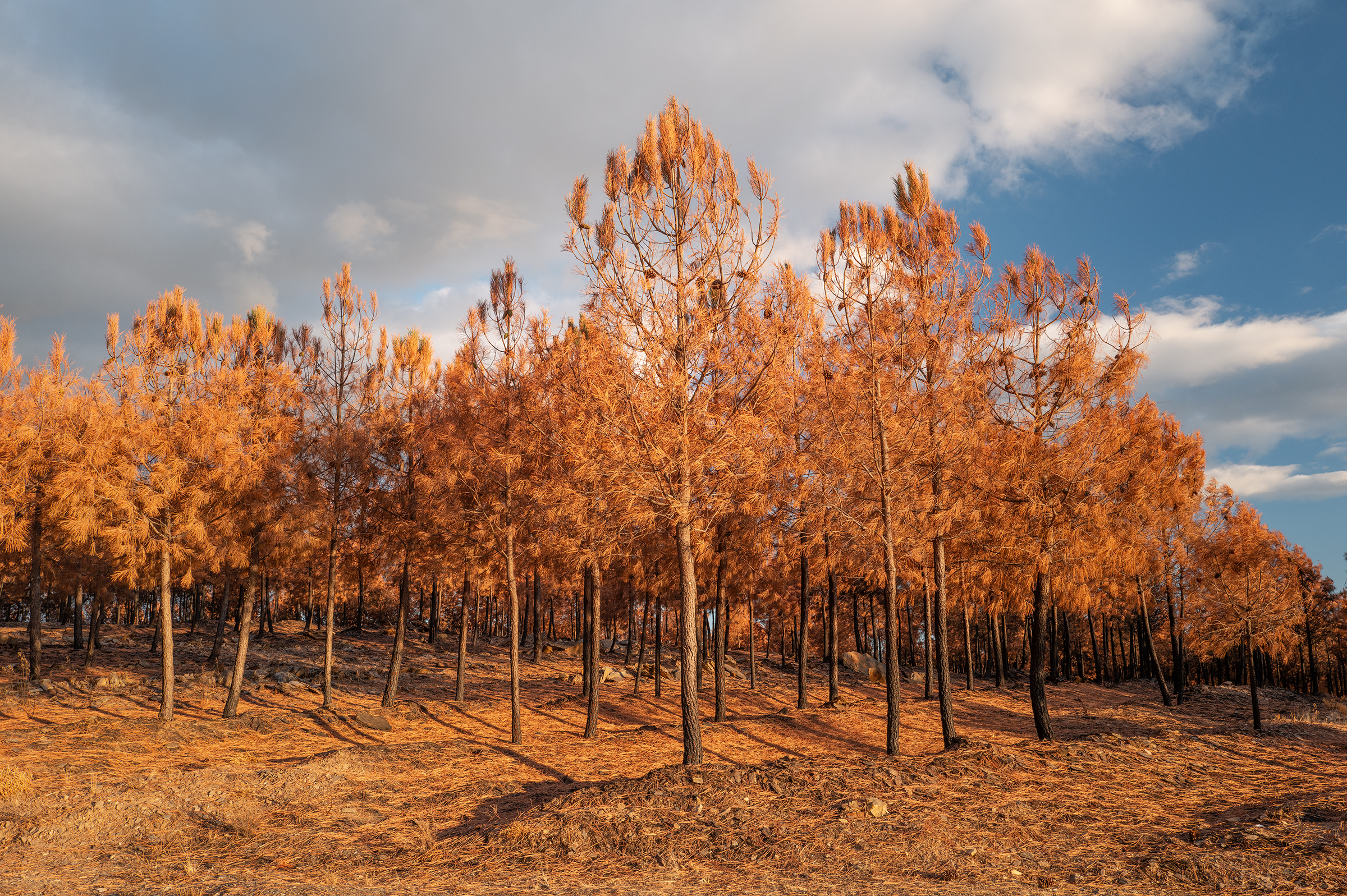
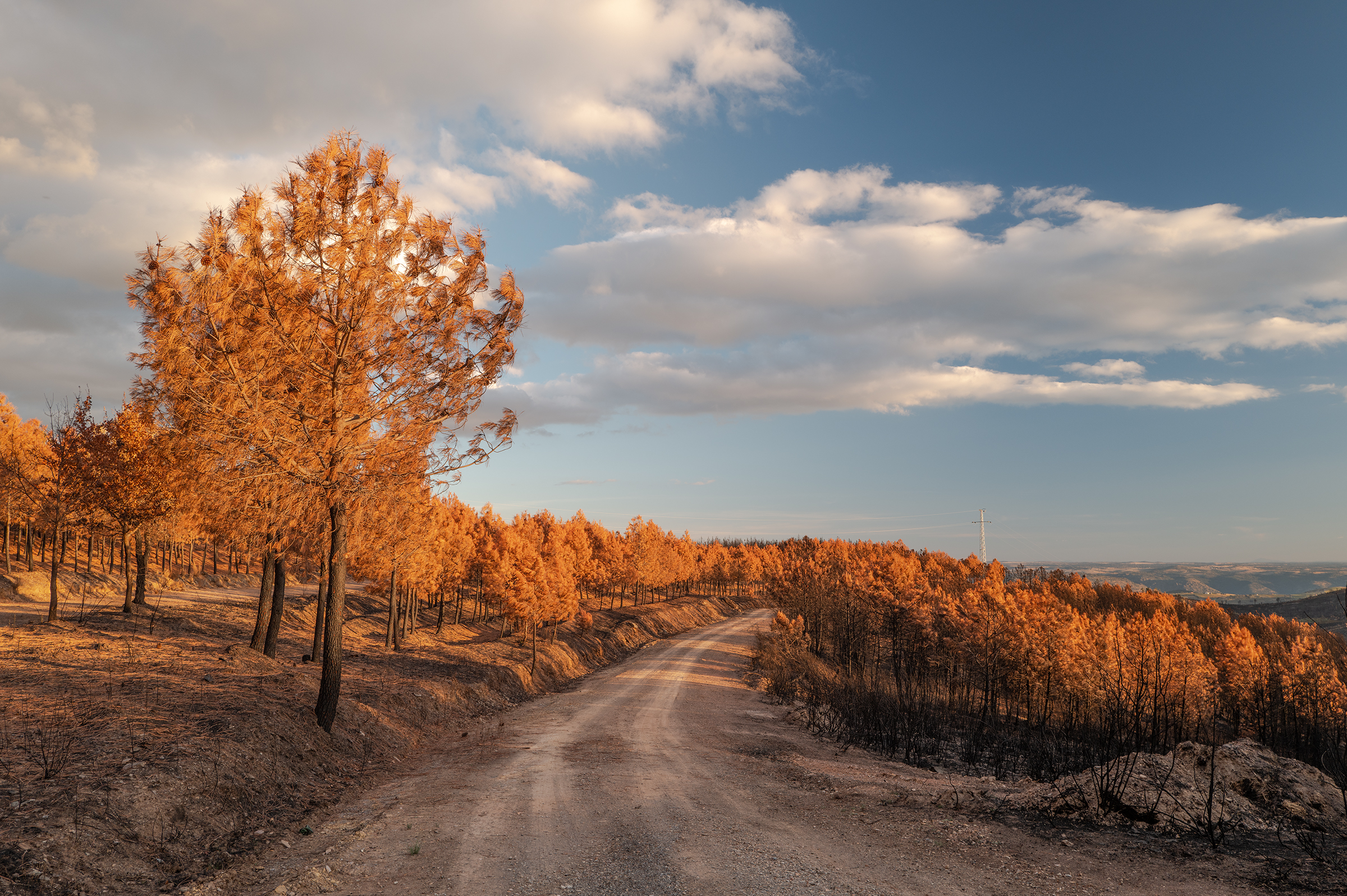
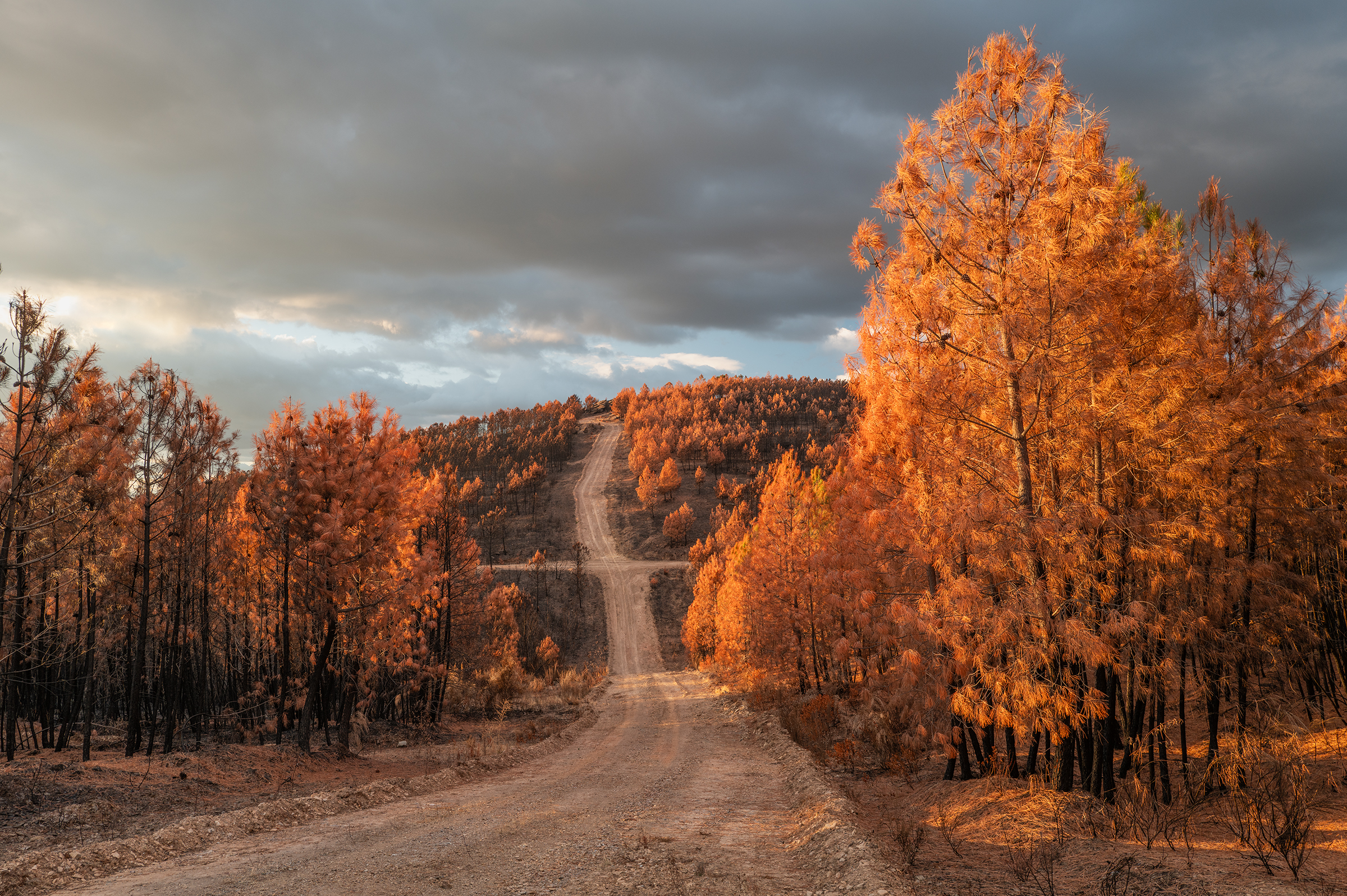
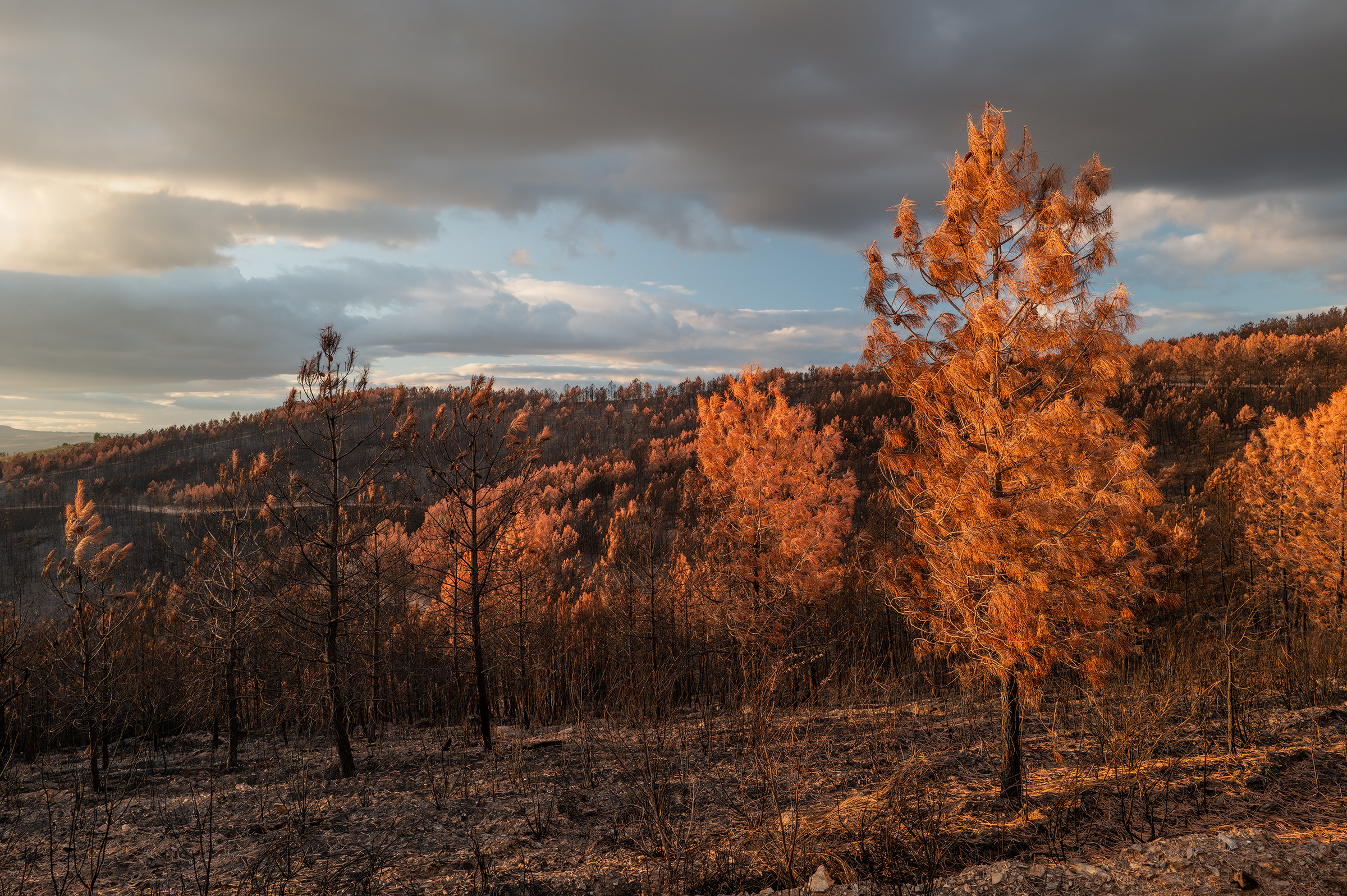
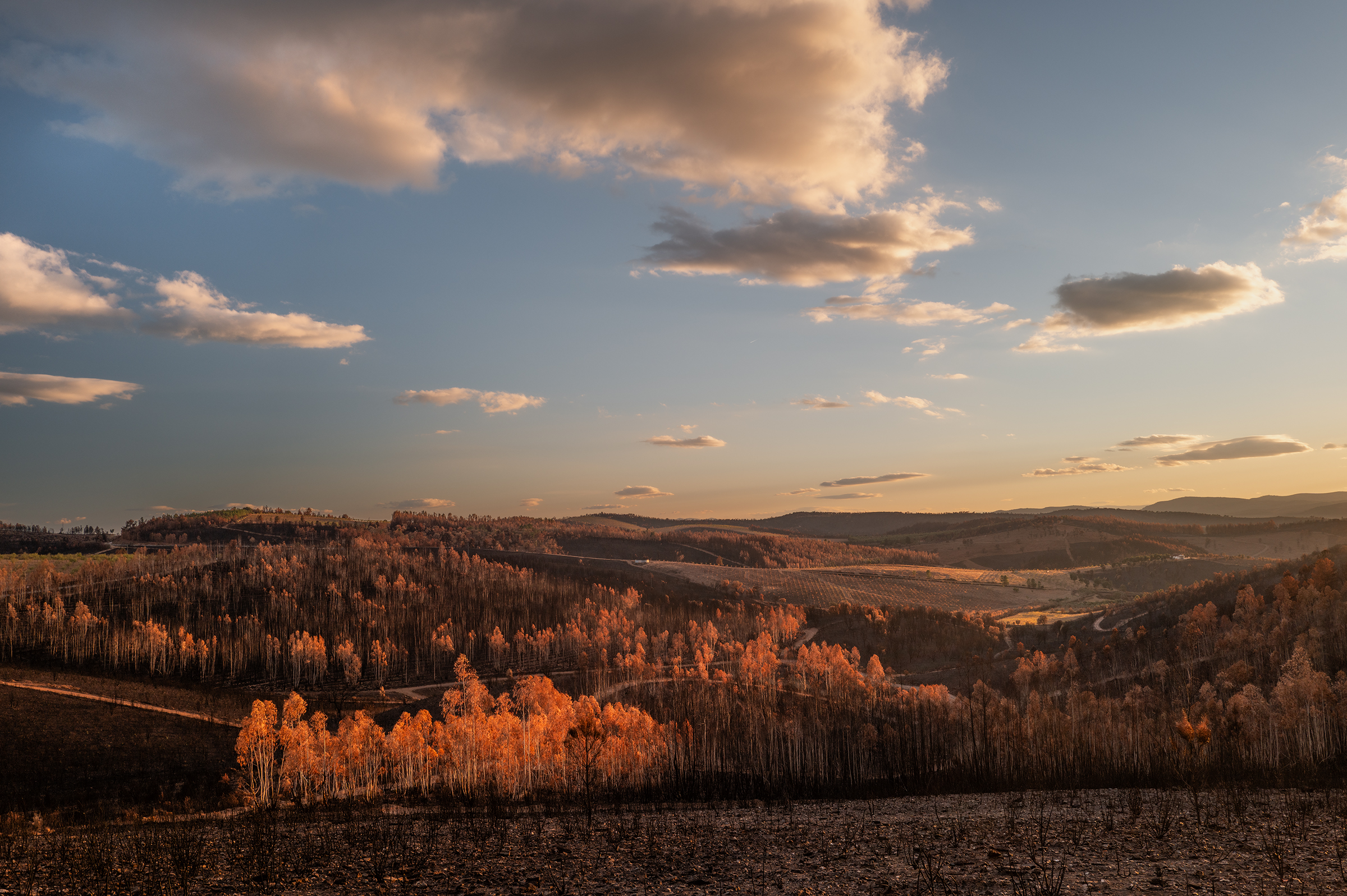
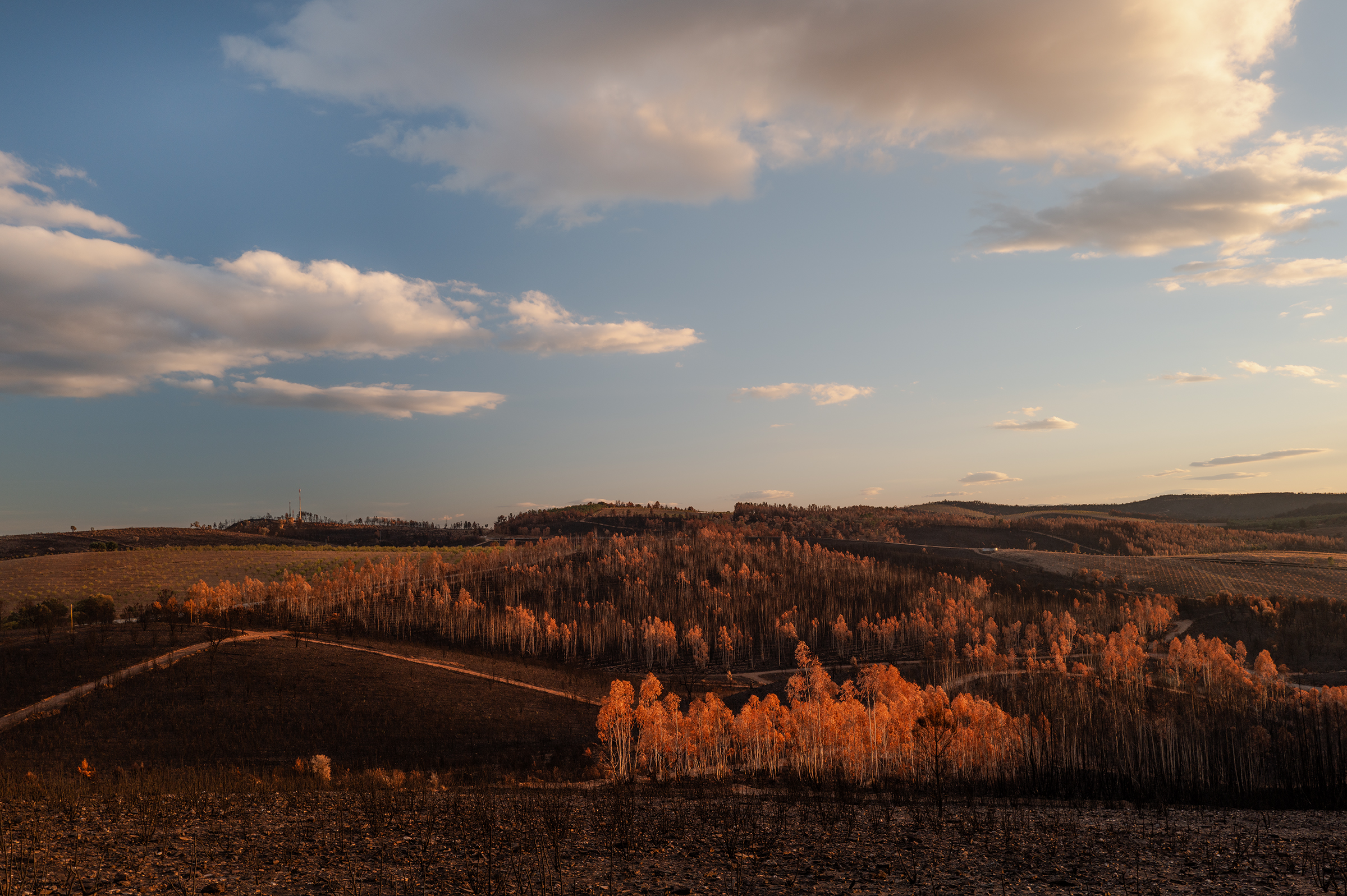
Late in the day I arrived at a beautiful quinta, near Freixo de Espada À Cinta. Dinner included chestnuts — one of those autumn joys that tastes like nostalgia.
Day 4: Freixo de Espada À Cinta to Mesão Frio (160 km, 2,900 m)
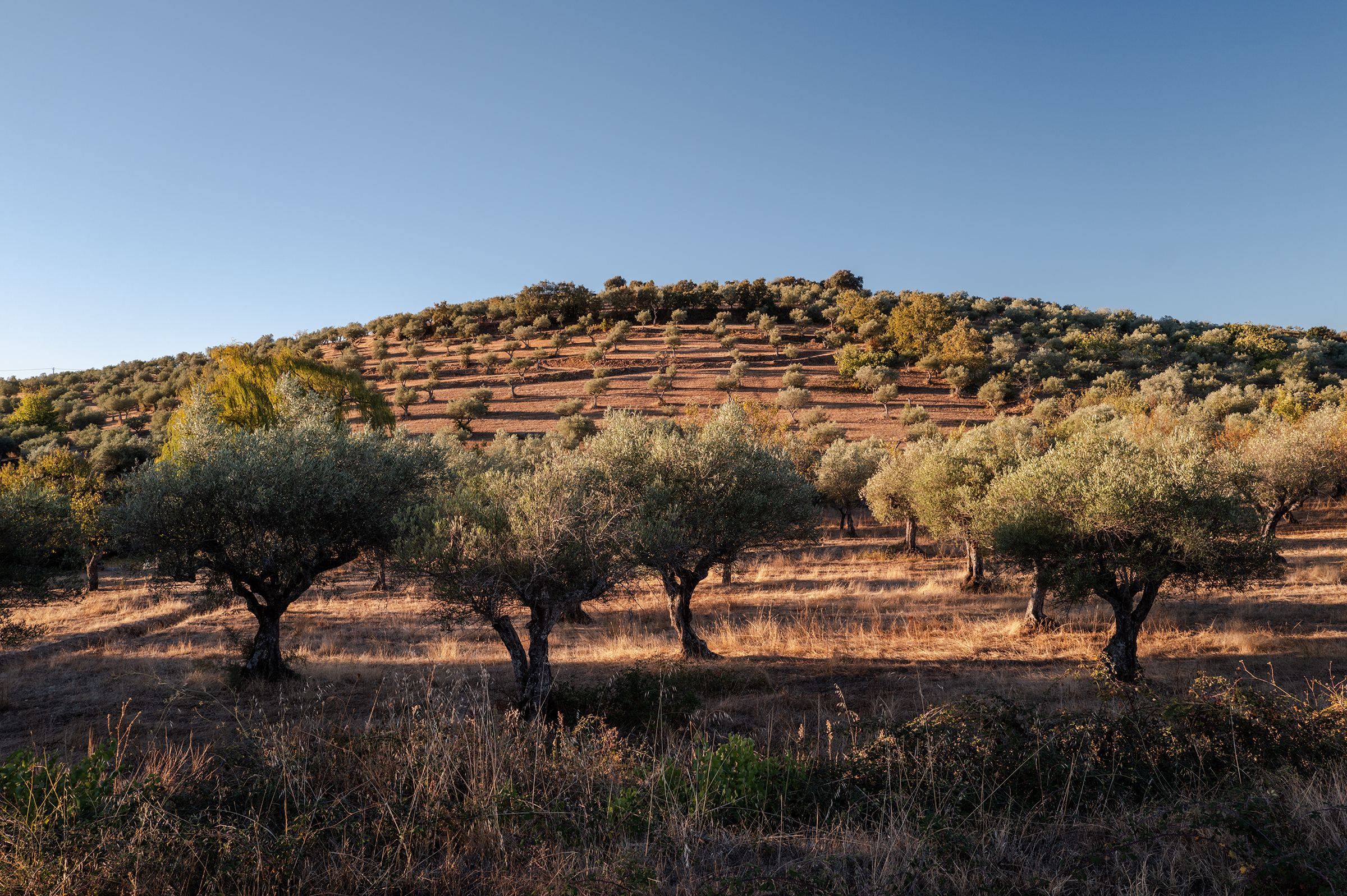
Now firmly in the Douro Valley. The route threw in gravel paths, rolling vineyards, and local farms. My bike wasn’t perfect for gravel, but it held up.
In the latter part of the day the character of the route shifted: more tourists, many American. They seem to have taken the Douro as a steeper, hotter version of Sonoma. The terraces — hand-built, dramatic —didn’t disappoint.
That night I stayed in another quinta, especially cozy. I told my body: relax, you’re almost there.


Day 5: Mesão Frio to Porto (100 km, 1,600 m)
A final shorter push to close the loop. The most memorable challenge: endless villages, steeper and steeper hills, cobblestones. After three walls at ~20%, I diverted onto a national road. My 30mm tyres were not built for Paris-Roubaix style torture after four days.

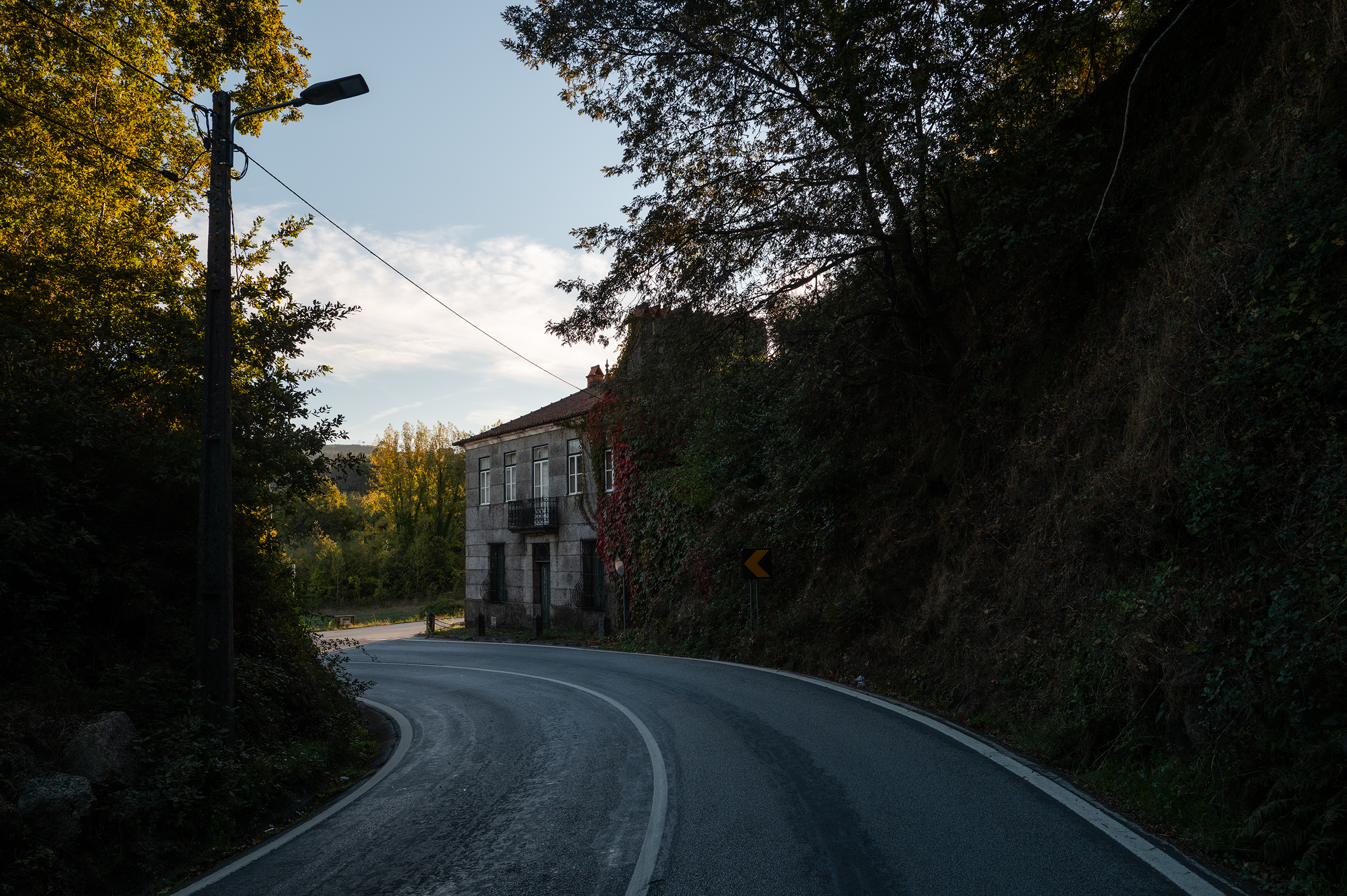
I followed the Douro river, slowly returning to civilization, meeting fellow cyclists again. I finally rolled into Porto and saw the main sites. But I had other ideas: first, a stop at a chocolate artisan; second, the Leica store, to discuss exhibiting in their gallery. Yes, I had my priorities straight.
I took the train back to Lisbon and arrived just as the sun began to fall. The river caught fire in the light, leaving only the dark outline of the Ponte 25 de Abril hanging in the background. After 800 kilometers, it felt like Lisbon’s way of saying “welcome back.”
Until next time! 👋